Science Proves Dance Boosts Brain Health and Joy
Medical researchers are discovering that dance does more than keep us fit—it transforms our brains, bodies, and mental health in ways few other activities can match. From Parkinson's patients who can't walk but can dance, to weekend classes that erase stress in minutes, moving to music is proving to be powerful medicine.
When writer Michaela Haas danced for two hours at a David Byrne concert, she felt a joy she'd almost forgotten existed. The experience was so powerful that the next month, she signed up for weekly dance classes—and discovered something that would change her understanding of movement forever.
Every Saturday, Haas joins a group ranging from age 16 to over 70 for "Groove Therapy." Within minutes of moving to Kool & the Gang or Beyoncé, stress melts away and something remarkable happens in both body and mind.
What Haas felt intuitively, science is now proving with hard data. Dance improves cardiovascular fitness and coordination, but the real magic happens in the brain.
Dancing activates multiple brain networks at once—auditory pathways, visual and motor cortex, and networks tracking where your body is in space. Each rhythm change gets processed in milliseconds and translated into new steps, creating a form of multitasking that challenges the brain more than most other exercise.
In one study, seniors who danced regularly fell less often and were "physically better off and mentally fitter" than those who didn't. But you don't need to be a senior to benefit from lacing up your dancing shoes.
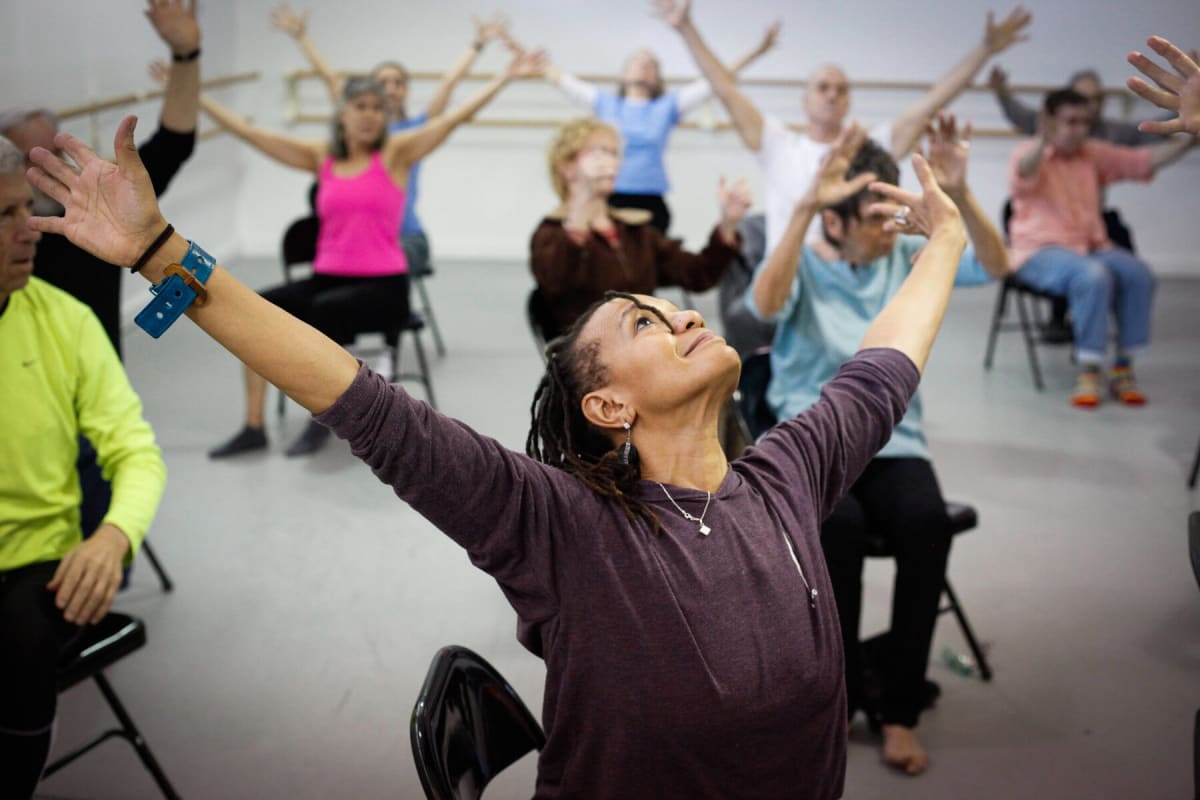
At a Brooklyn dance studio, David Leventhal leads a class unlike any other. He asks participants to visualize a warm beach and move like ocean waves as a pianist plays live music.
The dozen people in his class have Parkinson's disease. Many arrived with shoulders caved inward and uncertain steps, but now they stand taller, tracing arcs through space and turning tremors into jazz hands.
Leventhal danced professionally for 13 years before creating Dance for PD in 2001. The program now reaches 500 communities across 30 countries, helping people with Parkinson's find better balance, more confident walking, and something equally important—joy.
"I sometimes cannot walk, but I can dance," participant Cyndy Gilbertson explains in the documentary Capturing Grace. "The music leads; it's not my brain telling me to take a step."
Why This Inspires
Dance has been part of human culture for thousands of years, woven into Indigenous North American traditions, Māori practices, and countless other cultures as a form of healing and connection. Modern medicine is finally catching up to what humanity has always known: moving to music isn't just fun—it's transformative.
Whether you're managing a serious diagnosis or just need to shake off the weight of daily stress, dance offers something rare in modern life. It's medicine that makes you smile, therapy that makes you sweat, and community that makes you feel alive—all rolled into one two-hour session on a Saturday morning.
Based on reporting by Reasons to be Cheerful
This story was written by BrightWire based on verified news reports.
Spread the positivity!
Share this good news with someone who needs it