Science Proves Small Acts of Kindness Make Us Healthier
New research from University of Virginia shows that everyday kindnesses like small talk and holding doors create healthier communities and boost personal wellbeing. Even tiny gestures with strangers matter more than we think.
Scientists have discovered that the casual hellos and small favors we give strangers aren't just polite. They're actually building blocks for healthier, stronger communities.
James Coan, a researcher at the University of Virginia, calls these everyday interactions "the water we swim in." His research reveals that small acts of kindness deliver a double benefit: they improve your health and strengthen everyone around you.
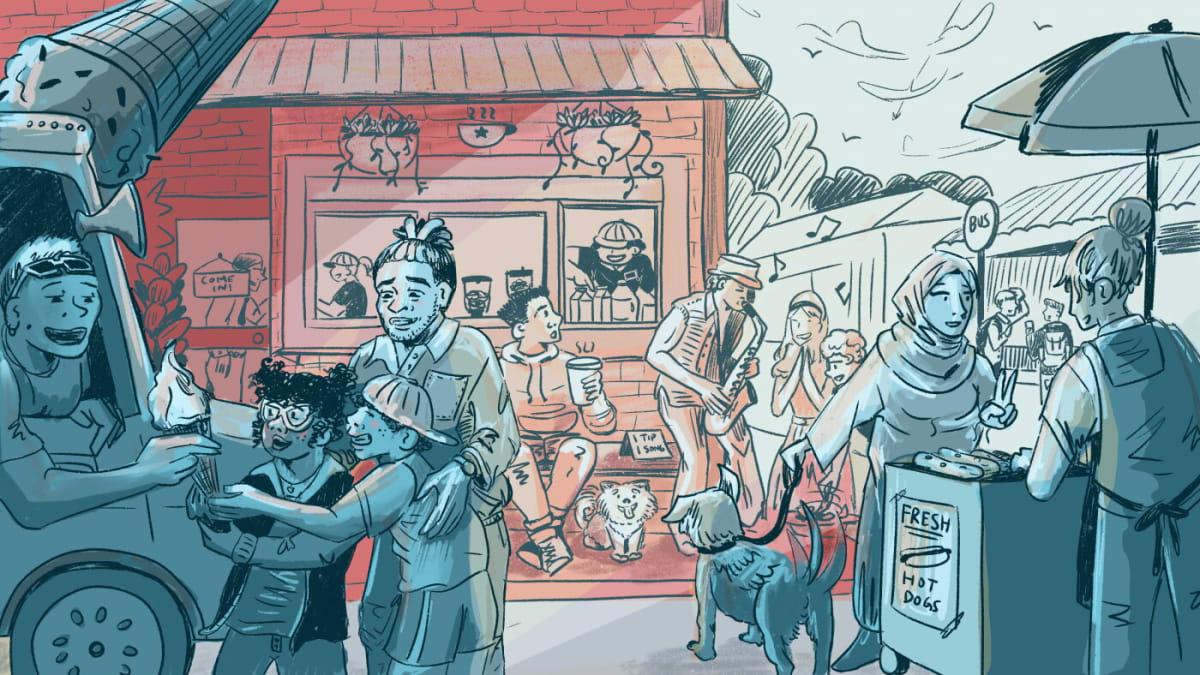
Take your morning coffee run. That brief chat with the barista isn't shallow small talk. Those "weak ties" with people in your community create micro-connections that make kindness more likely to happen, Coan explains.
To illustrate how unusual human cooperation is, Coan points to work by anthropologist Sarah Blaffer Hrdy. She asks us to imagine boarding a crowded seven-hour flight. Strangers help each other stow luggage, squeeze past without complaint, and make room for seatmates.
Now imagine chimpanzees, our closest genetic relatives, in the same situation. Many wouldn't survive the flight. That everyday human cooperation is actually remarkable kindness in action.
Why This Inspires
The evidence gets even more compelling during crises. After disasters and tragedies like the September 11 attacks, people consistently become the best versions of themselves. They cooperate without thinking, showing reflexive kindness and care for strangers.
But Coan stresses we don't need emergencies to be kind. These moments happen constantly. Someone waits patiently at a stop sign. Another person holds a door. Someone hands you what you asked for.
The research shows that unkindness hurts both ways. Unkind people damage their own wellbeing and weaken their communities. Meanwhile, socially connected individuals stay healthier, and stronger communities correspond directly to healthier populations.
Every thank you, every hello, every small gesture plants seeds for thriving neighborhoods and nations. The science confirms what many of us suspected: being nice isn't optional for a complex world. It's essential for our health and survival.
More Images


Based on reporting by Phys.org
This story was written by BrightWire based on verified news reports.
Spread the positivity!
Share this good news with someone who needs it