Science Says: Simple Tweaks Help You Love Exercise Again
Feeling too exhausted to work out? New expert guidance reveals easy fixes that turn fatigue into fitness energy. The secret isn't willpower—it's smarter timing and small habit shifts.
Millions of people know exercise is healthy but feel too drained to actually do it. Now exercise physiologists and sleep experts are sharing practical solutions that work with your body's natural rhythms instead of against them.
The breakthrough insight comes from Michael Stack, president of the Physical Activity Alliance, who studies what separates people who maintain workout routines from those who struggle. His research points to one fundamental truth: motivation creates energy, not the other way around. Finding movement you genuinely enjoy becomes the foundation everything else builds on.
Beyond choosing activities you like, experts identified five evidence-based strategies that consistently boost workout energy. Sleep hygiene tops the list—keeping consistent bedtimes, avoiding screens before bed, and creating dark, cool sleeping spaces. Most adults need seven to nine hours of actual sleep, not just time in bed.
Timing your nutrition strategically makes a measurable difference too. Eating simple carbs like bananas or toast an hour before exercise provides immediate fuel. One gram of carbs per kilogram of body weight gives your muscles exactly what they need.
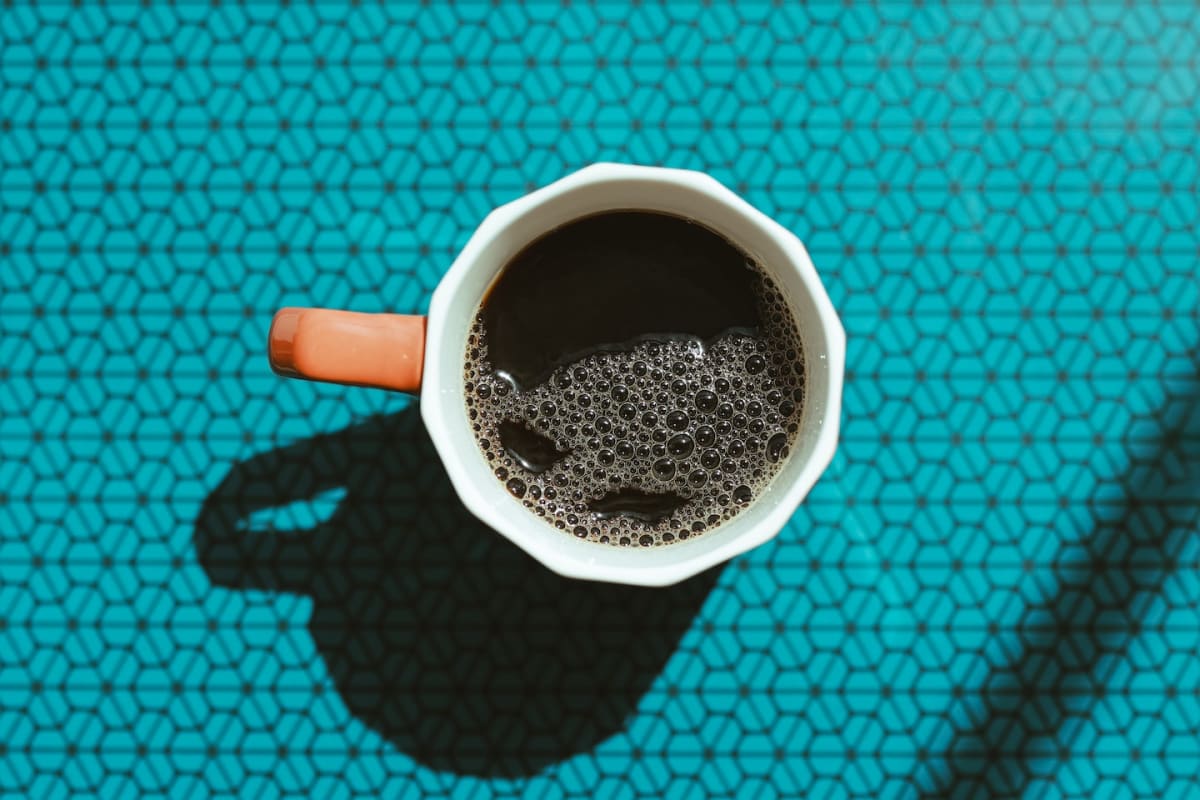
Caffeine works, but not how most people think. Research shows 100 to 200 milligrams about an hour before working out improves performance without the jitters. That's roughly one strong cup of coffee, taken early enough that it won't disrupt your nighttime sleep.
Why This Inspires
These strategies prove that feeling too tired to exercise isn't a character flaw or laziness. Our bodies respond predictably to specific inputs—better sleep, strategic snacks, and smart recovery time between hard workouts.
Environmental changes pack surprising power. Morning sunlight anchors your circadian rhythm and increases alertness naturally. Exercising outdoors or with friends transforms the experience from draining to energizing.
The recovery piece matters more than most realize. Grueling workouts every single day leave your body depleted. Alternating intensity levels gives muscles time to repair, which actually creates more energy for your next session.
Tracking calories for a few days reveals whether you're eating enough to fuel both daily life and exercise. Many people trying to manage weight accidentally undereat, leaving nothing in the tank for movement.
Dr. Sweta Gogineni from UCLA's medical school emphasizes that persistent exhaustion despite good sleep habits deserves medical attention. Conditions like sleep apnea or restless leg syndrome have solutions once properly diagnosed.
The power nap strategy works for some people—30 to 90 minutes before 2 p.m. improves athletic performance without disrupting nighttime rest. It's not realistic for everyone, but worth trying if your schedule allows.
These science-backed tweaks put energy back in your control through small, sustainable changes that compound over time.
More Images



Based on reporting by Google News - Health
This story was written by BrightWire based on verified news reports.
Spread the positivity!
Share this good news with someone who needs it