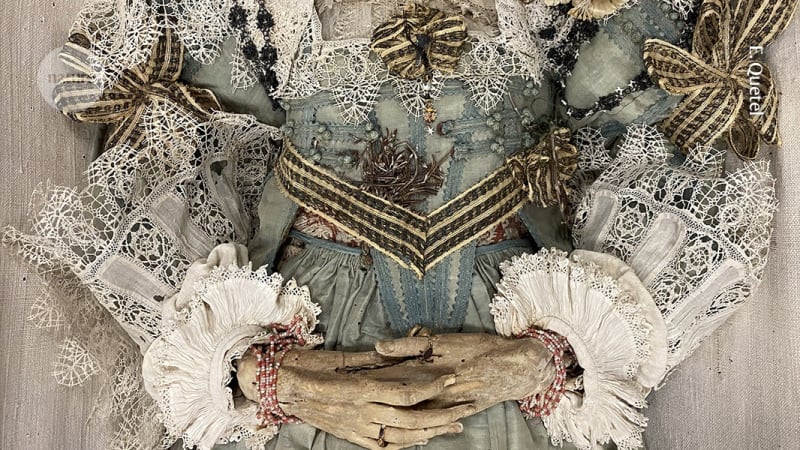
Scientific Breakthroughs Unravel Ancient Human Stories Through DNA and Preservation
Scientists are revolutionizing our understanding of human history through advanced genetic analysis of ancient preserved remains. Breakthrough research is revealing complex migration patterns and ancestral connections previously unknown to researchers.
In a fascinating convergence of archaeology and cutting-edge genetic research, scientists are unlocking remarkable insights into human history through innovative methods of analyzing preserved human remains.
Recent breakthrough studies are transforming our understanding of ancient civilizations by sequencing genetic material from mummified individuals, revealing complex migration patterns and ancestral connections previously hidden from view.
Researchers have successfully extracted and analyzed the first human genome from ancient Egyptian remains, specifically using 4,800-year-old teeth as a pristine genetic archive. This groundbreaking work represents a significant milestone in understanding human prehistoric population movements and genetic diversity.
The emerging field of genetic archaeology is particularly exciting, with discoveries challenging long-held assumptions about human migration and cultural interactions. By carefully examining preserved biological materials, scientists can now reconstruct intricate narratives about how different human populations interconnected and evolved over millennia.
Museums worldwide are playing a crucial role in these discoveries, with institutions like the Museum of Humanity in Paris displaying mummified remains that serve as critical research resources. The ongoing work highlights not just scientific technique, but profound respect for understanding human heritage and complexity.
As technological capabilities advance, researchers continue to develop increasingly sophisticated methods for extracting and analyzing ancient genetic material, promising even more remarkable revelations about our shared human story in the years to come.
These scientific investigations represent more than academic curiosity - they are a testament to human ingenuity and our persistent desire to understand our collective past, one carefully preserved genetic fragment at a time.
Based on reporting by Nature News
This story was written by BrightWire based on verified news reports.
More Good News
 🚀 Innovation
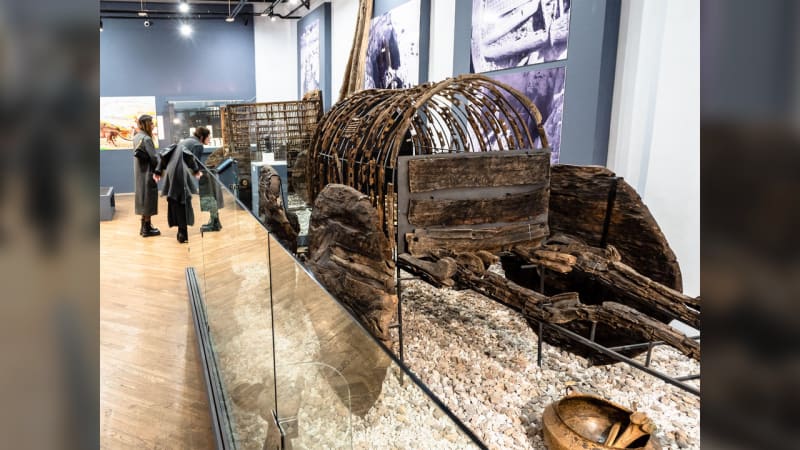
Ancient Armenian Wagon Reveals Bronze Age Engineering Marvel: A 3,500-Year-Old Journey to the Afterlife
 🚀 Innovation
Medical Mystery: Rare Skin Condition Transforms Man's Hands After Washing
 🚀 Innovation