
Scientist Built China's GPS Alternative by Age 26
Xu Ying earned her PhD at 26 and became a leading voice for China's BeiDou satellite system, which now serves 137 countries. She's fighting gender stereotypes while making complex science accessible to millions.
A Chinese scientist who helped build one of the world's most advanced navigation systems by her mid-twenties is showing the world that brilliance knows no gender.
Xu Ying started primary school at age four and entered university at 16 to study communications engineering. By 23, she joined the team developing BeiDou, China's answer to GPS, and earned her doctorate just three years later.
Today, BeiDou rivals American GPS and Russian GLONASS, serving crucial roles in transportation, weather forecasting, and disaster relief. The system has agreements with 137 countries and generated $196 billion in economic output last year.
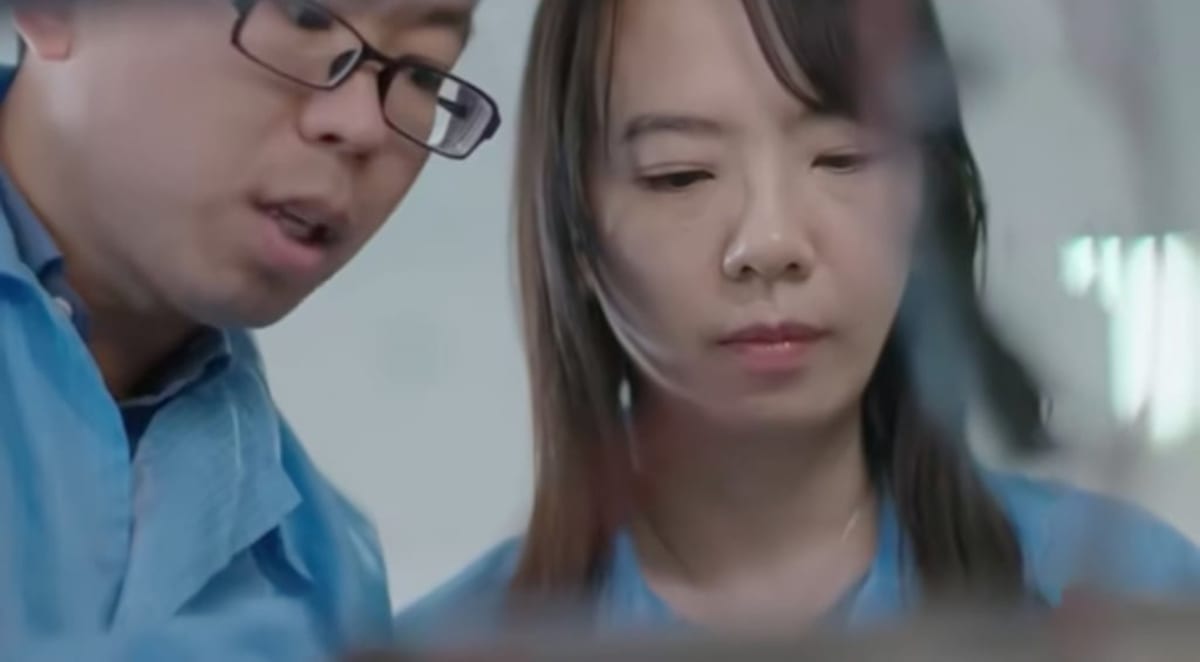
But Xu's journey wasn't easy. Early in her career, calculation errors and unfamiliar research methods slowed her progress. She spent countless nights in the lab and weekends running tests until she got it right.
Her dedication proved lifesaving during the 2013 Ya'an earthquake in Sichuan. When conventional communication systems failed, BeiDou became the rescuers' lifeline. Xu's team provided precise location data throughout the disaster zone, helping save lives trapped in rubble.
For years, critics dismissed BeiDou as a GPS copycat and questioned whether it was worth the investment. Xu made it her mission to change minds.
Why This Inspires
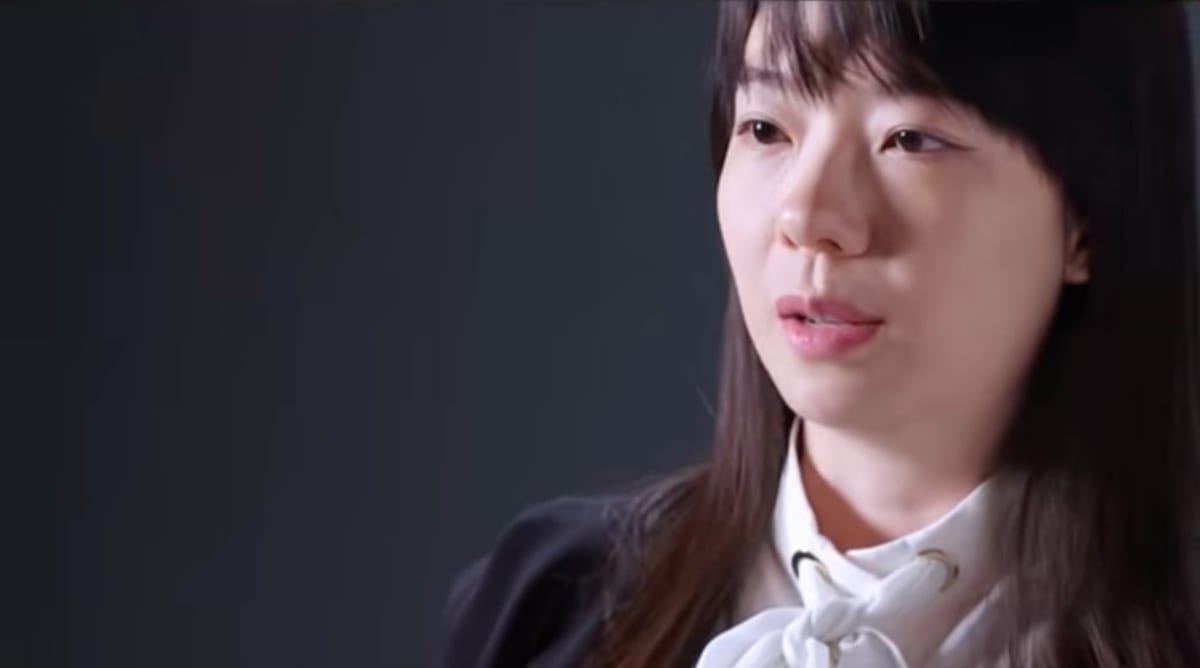
She turned to public education, explaining the technology in ways anyone could understand. In one viral presentation watched over 20 million times, she demonstrated how BeiDou helps drones assist farmers and scientists track endangered animals.
Her relatable approach earned her the nickname "BeiDou Goddess" online. But Xu rejects the label, saying it's better suited for social media influencers than scientists.
"Do not underestimate a girl at the foot of the mountain, and do not deify her once she reaches the summit," she famously states. She prefers being called a "young scientific researcher."
At 32, Xu became the youngest doctoral supervisor at the Chinese Academy of Sciences. She's led projects securing over $7.4 million in funding and filed 38 invention patents.
Gender bias followed her success. During job interviews after earning her doctorate, one male interviewer told her women weren't suited for scientific research.
Her response was swift: "There is no gender that is unsuitable for scientific research, only individuals who are unsuitable for it." On social media, she added: "Women are at their most beautiful when pursuing their passions."
In 2023, Xu received the Chinese Academy of Sciences Young Scientist Award and now serves as deputy chief engineer of its Navigation Systems Department.
Her story has struck a chord online, with one observer noting: "'Goddess' is never the most accurate term for describing a powerful woman. Her success is rooted in ability, achievement, talent, and character, not appearance."
Xu continues proving that dedication and skill matter more than demographics.
More Images


Based on reporting by South China Morning Post
This story was written by BrightWire based on verified news reports.
Spread the positivity!
Share this good news with someone who needs it