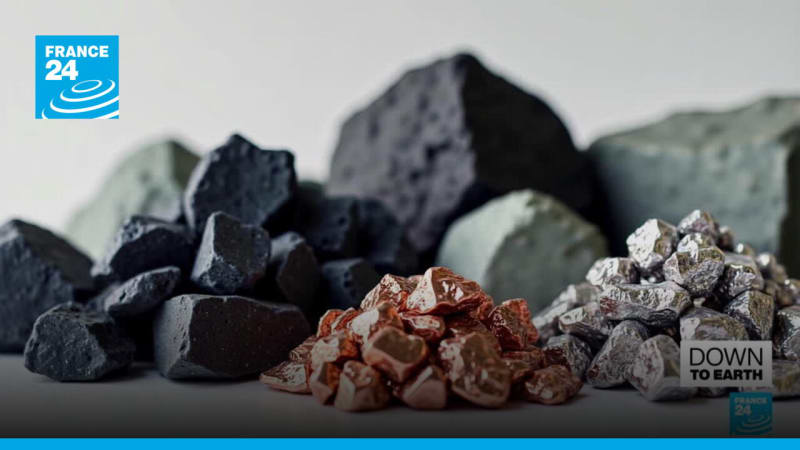
Scientist Cracks Rare Earth Recycling Code
A young French-American chemist has developed a breakthrough process to recover rare earth metals from old neon bulbs, potentially ending dependence on China's near-total control of these critical resources. The innovation could transform how we recycle essential materials used in everything from smartphones to electric cars.
The world just got a little less dependent on a single country for the metals that power our modern lives.
A French-American scientist has cracked the code on recycling rare earth elements from discarded neon light bulbs. The breakthrough could eventually extend to other electronics, opening a new path to recovering these precious materials that currently come almost exclusively from China.
Rare earth metals don't sound exciting, but they're the hidden heroes inside your smartphone, electric vehicle, and wind turbines. They make motors spin efficiently, batteries charge faster, and screens display vibrant colors. Without them, the green energy revolution grinds to a halt.
Here's the problem: China controls 95 percent of the world's supply. That monopoly exists because extracting rare earths is dirty, expensive work requiring huge deposits, and China has embraced all three advantages: vast natural reserves, lower labor costs, and looser environmental rules.
That concentration has turned these elements into a geopolitical pressure point. Countries racing to build electric vehicles and renewable energy infrastructure have faced a uncomfortable reality: they rely almost entirely on Chinese supply chains for the materials that make it all possible.
The new recycling process changes that equation. Instead of mining new rare earths from the ground, the technique recovers them from products we've already made. Every old fluorescent bulb becomes a tiny mine, and every recycled element is one less we need to extract from Earth or import from abroad.
The Ripple Effect
This breakthrough arrives at exactly the right moment. As electronics pile up in landfills and recycling centers worldwide, we're literally sitting on mountains of valuable materials. The process transforms what we viewed as waste into strategic resources.
The technology could extend beyond light bulbs to hard drives, speakers, and batteries. Each application multiplies the impact, turning more discarded devices into sources of critical materials. Electronics recycling could shift from an environmental obligation into an economic opportunity.
For countries concerned about supply chain security, domestic recycling offers a path to independence. Europe, America, and other regions could build rare earth supplies from their own electronic waste rather than negotiating with distant suppliers.
The environmental wins stack up too. Mining rare earths tears up landscapes and generates toxic waste. Recycling them from existing products skips the destruction and dramatically reduces the carbon footprint. We get the materials we need while leaving the ground untouched.
The young chemist's innovation proves that the solutions to our biggest challenges often hide in plain sight, waiting in the discarded objects we thought had no value left to give.
More Images


Based on reporting by Google News - France Breakthrough
This story was written by BrightWire based on verified news reports.
Spread the positivity!
Share this good news with someone who needs it