Scientist Who Saved Ozone Layer Shares How We Can Do It Again
The woman who helped heal Earth's ozone layer at age 29 has written a roadmap for solving today's environmental crises. Her new book proves that when problems become personal, visible, and solvable, humanity can accomplish the impossible.
📺 Watch the full story above
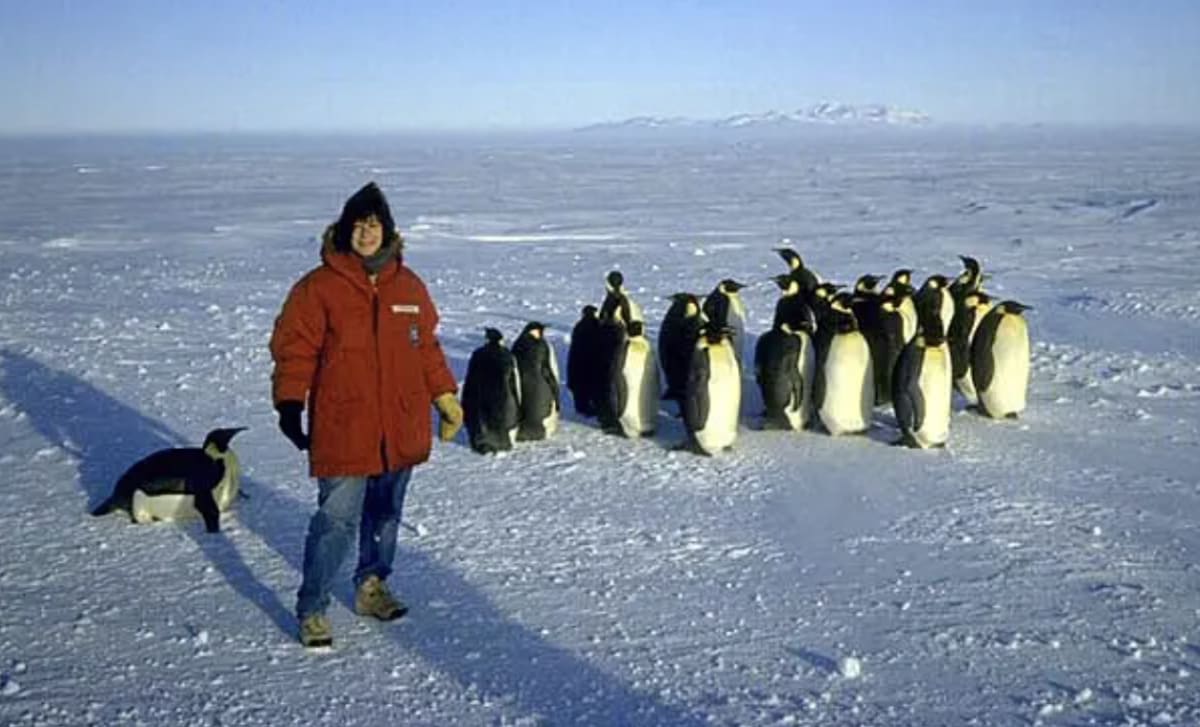
Susan Solomon stood among penguins in Antarctica at 29, collecting data that would help save the world. Her research proved that industrial chemicals were destroying Earth's protective ozone layer, evidence that led to the most successful environmental treaty in history.
Nearly four decades later, satellite data confirms what her work made possible: the ozone hole is healing. The 1987 Montreal Protocol, built on her scientific findings, showed that global environmental disasters can be reversed when the world works together.
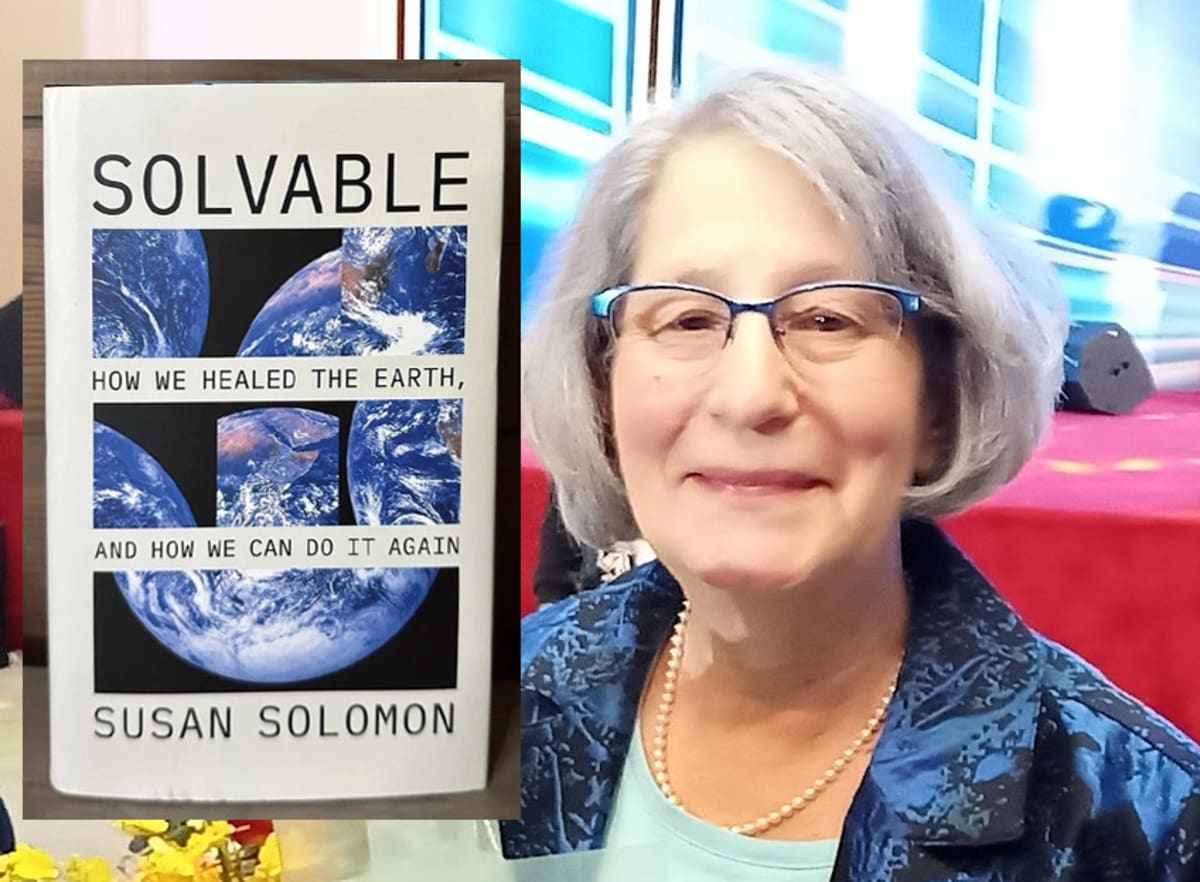
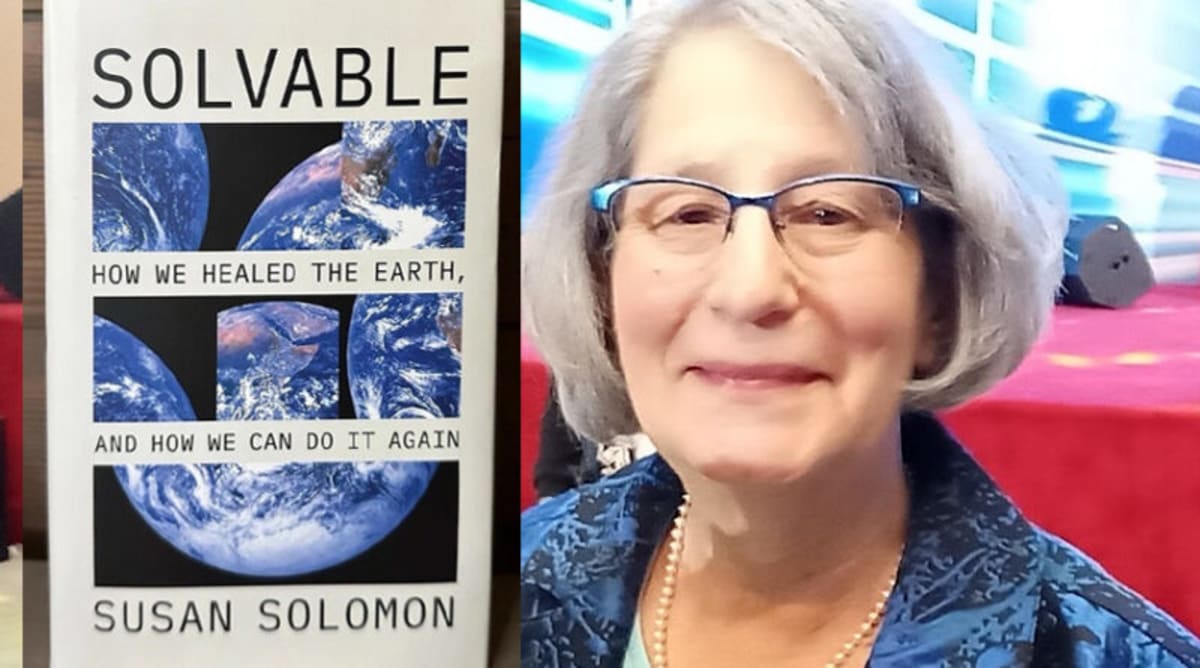
Now a professor at MIT, Solomon has captured that hard-won wisdom in her new book, "Solvable: How We Healed the Earth, and How We Can Do It Again." The book arrives as a roadmap for tackling today's climate challenges, drawn from decades of turning atmospheric chemistry into political action.
Solomon's framework is beautifully simple. Environmental problems get solved when they meet three conditions: they must feel personal, become visible, and offer practical solutions. The ozone crisis checked all three boxes.
The threat became personal when people learned ozone depletion meant more skin cancer. Stark satellite images of a growing hole in the atmosphere made the invisible visible. And when companies developed substitute chemicals for refrigeration, governments could act without destroying industries.
Solomon applies this lens to other victories we sometimes forget to celebrate. The removal of lead from gasoline saved millions of children from cognitive damage, especially in communities of color where exposure was highest. Urban smog transformed from an accepted nuisance into a solvable problem once people connected hazy skies to their own breathing difficulties.
Even Rachel Carson's fight against DDT followed the pattern. When "Silent Spring" connected pesticide use to disappearing songbirds and human health risks, abstract environmental science became emotionally immediate. Public pressure followed, then regulation, then change.
The book's most hopeful chapter covers the 2016 Kigali Amendment, which extended the Montreal Protocol framework to tackle hydrofluorocarbons, potent greenhouse gases warming our planet. Decades after her Antarctic expedition, Solomon watched nations prove they could still forge binding climate agreements.
Why This Inspires
Solomon's message cuts through climate despair with evidence, not empty optimism. We've already healed parts of our planet that experts once thought permanently damaged. The ozone layer recovering above Antarctica isn't a feel-good story; it's proof that science, public understanding, and political will can converge to reverse seemingly irreversible harm.
Her framework offers something rare in environmental discussions: a pattern for success based on what's actually worked. When we make climate change personal through extreme weather, perceptible through melting ice and rising seas, and practical through renewable technology that's now cheaper than fossil fuels, we create conditions for transformation.
Meeting Solomon in Hanoi in 2023, watching her accept an award for female innovators with quiet grace, the author sensed her unique gift for bridging laboratory complexity and human consequence. Her book delivers on that promise, translating decades of scientific leadership into accessible hope.
The woman who once stood among penguins gathering evidence to save the sky now offers a map for healing what remains broken.
More Images
Based on reporting by CleanTechnica
This story was written by BrightWire based on verified news reports.
Spread the positivity!
Share this good news with someone who needs it