Scientists: 30 Years to Prepare for Antarctic Sea Rise
We finally have a window of hope. Scientists can now reliably predict Antarctic ice loss through 2050, giving governments crucial time to prepare coastal communities for rising seas.
Scientists just delivered unexpected good news in the race against rising seas: we have a 30-year window to prepare.
A groundbreaking study from Monash University reveals that ice loss from Antarctica can be predicted with strong confidence through the middle of this century. That means coastal planners and governments finally have the reliable forecasts they desperately need to protect communities and infrastructure.
Dr. Felicity McCormack, who led the research published in Nature, says ice sheet models that accurately capture current ice loss can dependably forecast what happens over the next three decades. Those are exactly the years that matter most for building seawalls, relocating communities, and making smart infrastructure decisions.
The timing couldn't be more critical. Under high emission scenarios, Antarctica could push global sea levels up more than two meters by 2100, putting a quarter of Australian homes at flood risk and forcing hundreds of millions worldwide from their coastal homes.
Until now, that threat has felt impossible to plan for because scientists couldn't pin down how fast Antarctica would shed its ice. The uncertainty has paralyzed decision-makers who need concrete numbers to justify expensive adaptation projects.
The research tested how far ahead ice loss could be predicted across different model projections. The answer: consistently and reliably until around 2050 to 2060. After that, the picture gets murkier as unstable ice retreat could suddenly accelerate.
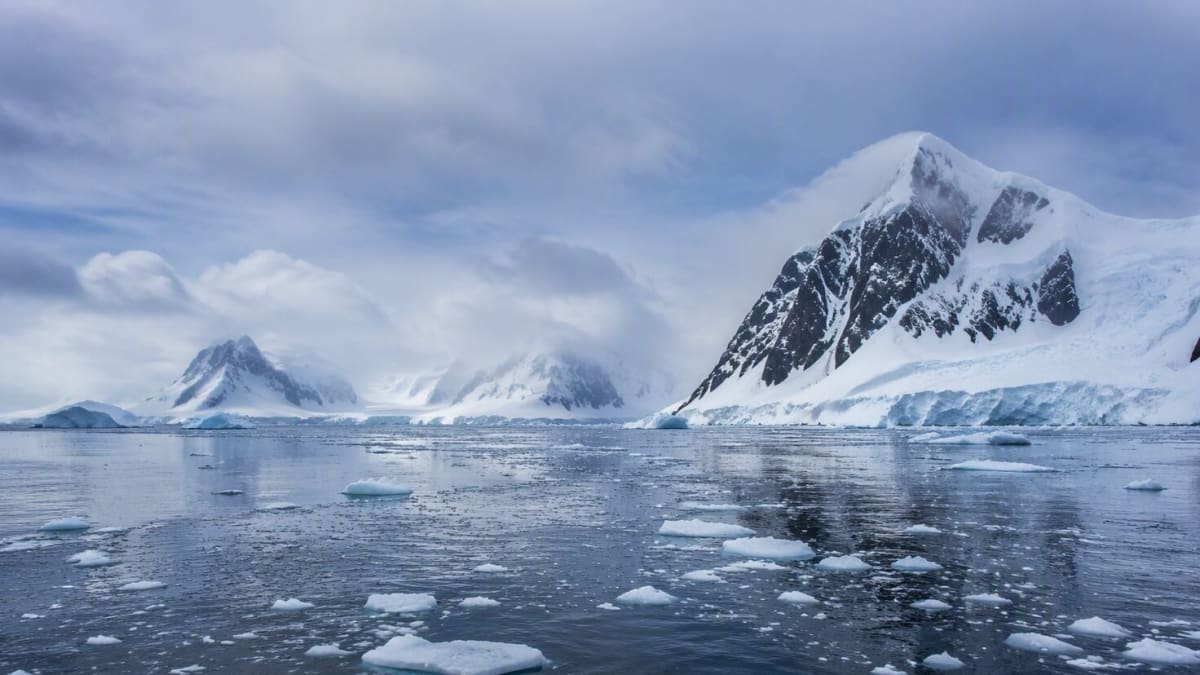
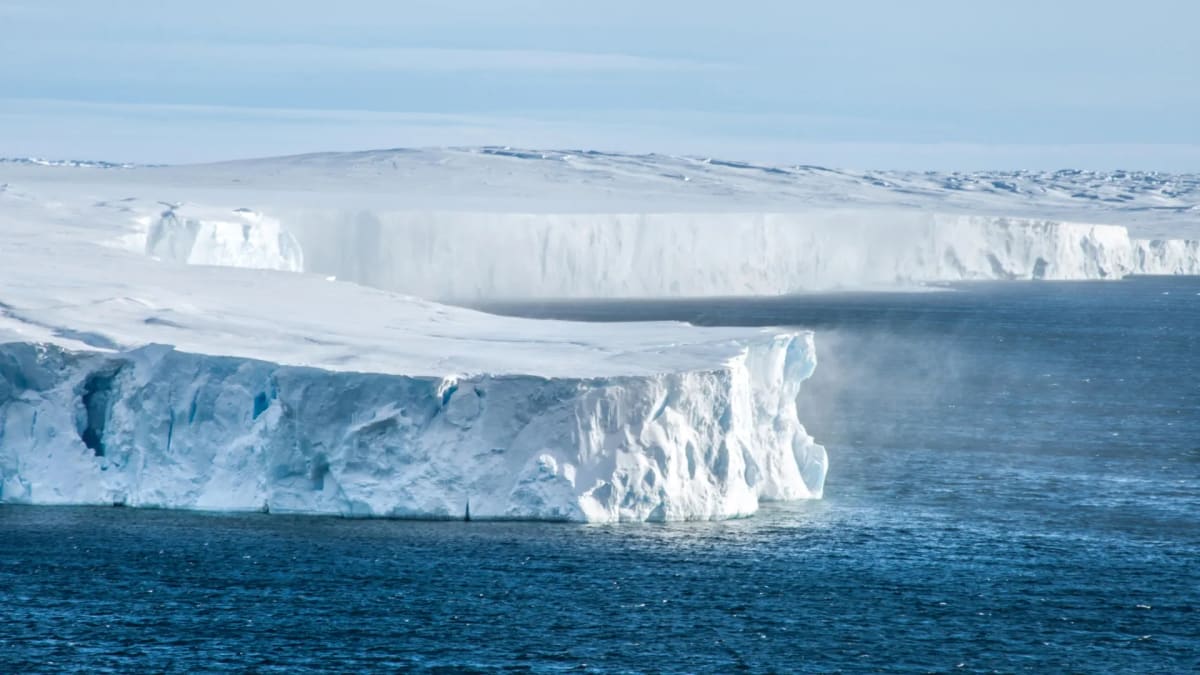
Some Antarctic ice sits on bedrock below sea level. Once that ice starts retreating, the process can become nearly impossible to stop, like a runaway train. That's when predictions break down and the future becomes genuinely uncertain.
The Bright Side
This predictability window is exactly what planners have been waiting for. Pacific Island nations can now make informed decisions about infrastructure and community relocation based on solid science rather than worst-case guesswork.
Professor Steven Chown, who directs Securing Antarctica's Environmental Future, says Australia is perfectly positioned to help Indo-Pacific partners turn these forecasts into action. The research creates a clear foreign policy opportunity to support vulnerable neighbors with reliable data.
The findings don't erase long-term risk, but they do something arguably more valuable: they define a crucial period for action backed by confidence. Better monitoring systems and improved ice sheet models will sharpen those near-term projections even further.
McCormack stresses that governments should trust models that match what we're observing today in Antarctica. Those models provide the most reliable foundation for the adaptation planning that needs to happen right now, not decades from future.
The clock is ticking, but for once, we can actually see it clearly.
Based on reporting by Science Daily
This story was written by BrightWire based on verified news reports.
Spread the positivity!
Share this good news with someone who needs it