Scientists 3D Print One of Industry's Hardest Materials
Researchers at Hiroshima University just cracked a decades-old manufacturing problem by successfully 3D printing tungsten carbide, one of the toughest materials used in industry. The breakthrough could slash waste and costs while making industrial tools more accessible worldwide.
One of the hardest materials on Earth can now be 3D printed, thanks to scientists who just solved a problem that's plagued manufacturers for generations.
Researchers at Hiroshima University successfully 3D printed tungsten carbide-cobalt, a material so tough it's used to cut through metal and concrete. Until now, making this super-hard substance wasted enormous amounts of expensive raw materials and required complex machinery that drove up costs.
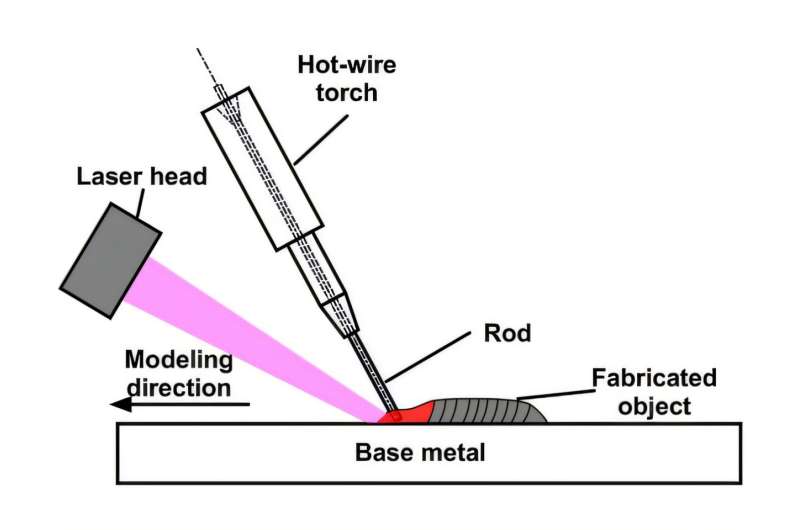
The team used a clever technique called hot-wire laser irradiation that softens the metals just enough to shape them without melting them completely. Think of it like warming butter to spread it perfectly instead of turning it into liquid.
Assistant Professor Keita Marumoto led the breakthrough, focusing on a practical problem. "Cemented carbides are made from very expensive raw materials such as tungsten and cobalt, making reduction of material usage highly desirable," he explained. "By using additive manufacturing, cemented carbide can be deposited only where it is needed."
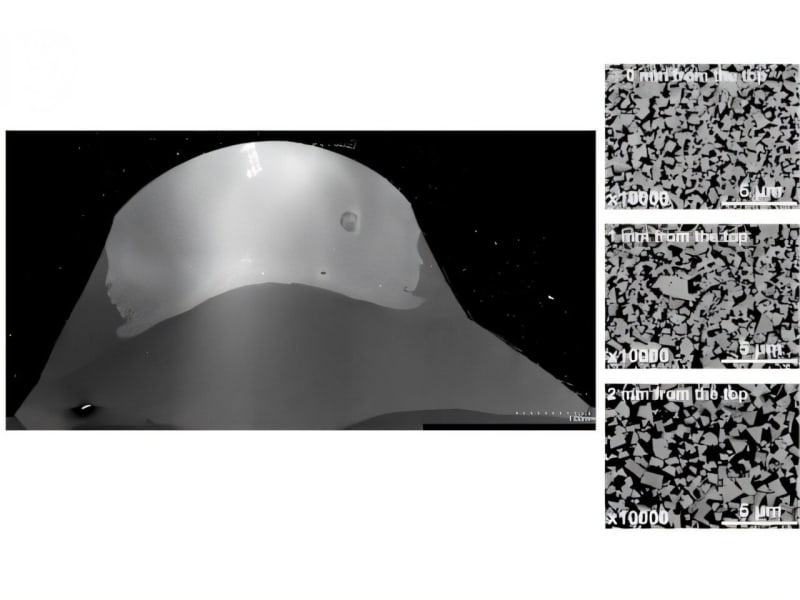
The results speak for themselves. The team achieved hardness levels over 1400 HV, a measure of resistance to penetration that puts these materials just below diamonds and sapphires in toughness. They did it without any defects or weaknesses in the final product.
The key was finding the sweet spot temperature, hot enough to melt cobalt but cool enough to prevent the tungsten carbide from breaking down. Adding a nickel alloy middle layer helped maintain the necessary hardness throughout the process.
The Ripple Effect
This breakthrough extends far beyond the lab. Construction workers, manufacturers, and craftspeople worldwide rely on tungsten carbide tools daily, but the high cost puts quality equipment out of reach for many. 3D printing these materials only where needed could democratize access to professional-grade tools.
The technology could also slash the environmental footprint of manufacturing. Less wasted tungsten and cobalt means less mining, less energy use, and more sustainable production. Industries from aerospace to dental equipment could benefit.
The approach opens doors for other difficult materials too. Marumoto notes that "forming metal materials by softening them rather than fully melting them is novel, and it has the potential to be applied not only to cemented carbides but also to other materials."
The team now wants to create more complex shapes and explore applications in cutting tools across industries. What started as a manufacturing efficiency challenge could reshape how we make some of our most essential industrial materials.
Sometimes the biggest breakthroughs come from asking a simple question: what if there's a better way?
More Images


Based on reporting by Phys.org - Technology
This story was written by BrightWire based on verified news reports.
Spread the positivity!
Share this good news with someone who needs it