Scientists and Journalists Team Up to Fight Fraud
A major conference in South Africa revealed how scientists and journalists can work together to expose research misconduct and improve science coverage. The collaboration could transform how we catch and report academic fraud.
Scientists and journalists are joining forces to tackle research fraud, and the results could change how we protect scientific truth.
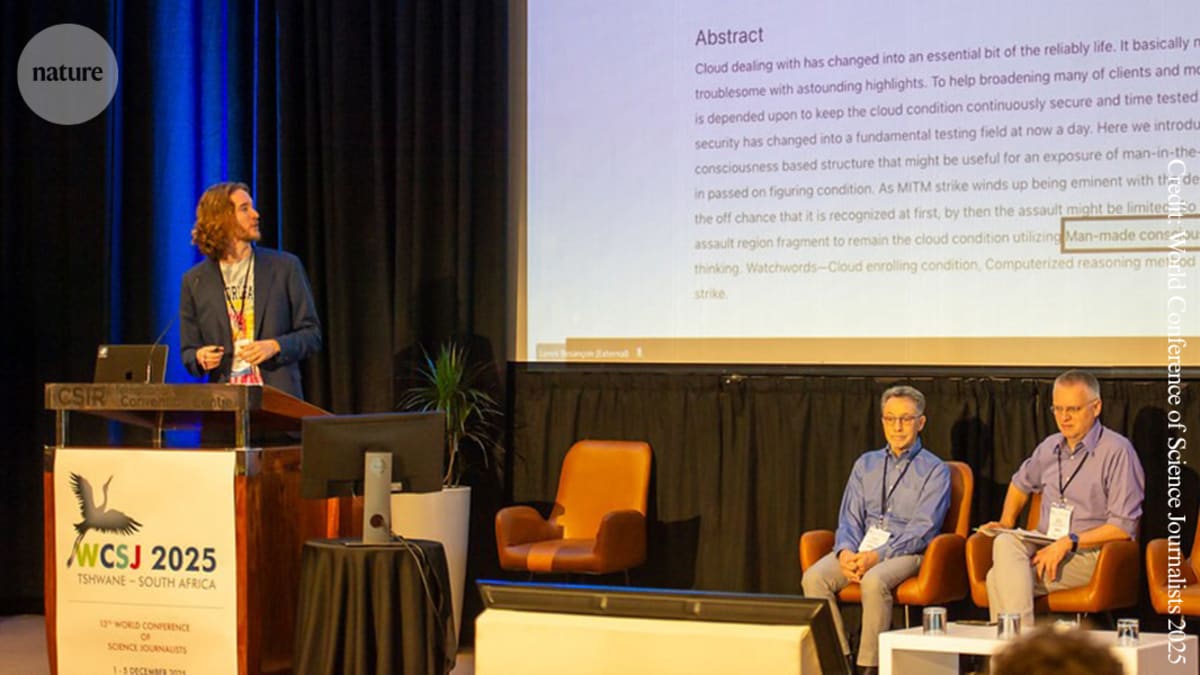
At December's World Conference of Science Journalists in Pretoria, researcher Lonni Besançon discovered something surprising. The same scientists who complain about poor media coverage are often the ones making it worse by refusing to help journalists do their jobs.
Besançon spent his free time investigating problematic COVID-19 papers and peer review misconduct. He expected the four-day conference to confirm what he already knew about scientific scrutiny. Instead, he learned that good journalism requires much more than scientists realize.
Journalists at the conference shared a consistent frustration. They struggle to get scientists to respond to questions, and when researchers do reply, it's often weeks late or with a simple redirect to a press release. What journalists actually need is active collaboration: deep analysis, critical feedback, context, and suggestions for other sources to explore.
The disconnect creates a vicious cycle. Scientists don't engage with reporters, coverage lacks nuance, and then researchers complain about the quality of science journalism.
Why This Inspires
The conference revealed that investigative journalists and scientific sleuths use remarkably similar methods. Both spend months or years analyzing documents, interviewing specialists, and verifying findings. Both are working toward the same goal: protecting the integrity of research that the public funds.
Investigative journalist Charles Piller shared how his groundbreaking Alzheimer's disease fraud investigation only succeeded because sleuths agreed to cooperate quietly. They held back from posting their concerns publicly so journalists could gather more evidence and tell a complete story.
This partnership approach already works. When scientists take time to help reporters understand complex research problems, the resulting coverage is more accurate and more impactful. The public gets better information about how their tax dollars support science.
The solution is surprisingly simple. Scientists need to treat media inquiries like collaborative research projects, not annoying interruptions. Journalists need access to experts who can explain not just what happened, but why it matters and what it means.
Several conference attendees emphasized that this collaboration serves everyone. Taxpayers fund most research, and they deserve clear, accurate reporting on both scientific breakthroughs and scientific failures. Scientists who skip media requests are skipping their responsibility to the public.
The partnership between scientists and journalists is already catching fraudsters and improving research standards worldwide. Now it just needs more scientists willing to pick up the phone when reporters call.
More Images

Based on reporting by Nature News
This story was written by BrightWire based on verified news reports.
Spread the positivity!
Share this good news with someone who needs it