Scientists Boost Crop Yields Up to 52% in Cold Weather
Researchers discovered how to protect tomato and rice crops from cold damage by activating natural defense proteins. The breakthrough could help farmers avoid billions in weather-related losses.
A simple genetic tweak is helping crops survive cold snaps that would normally destroy harvests, offering new hope as unpredictable weather threatens global food supplies.
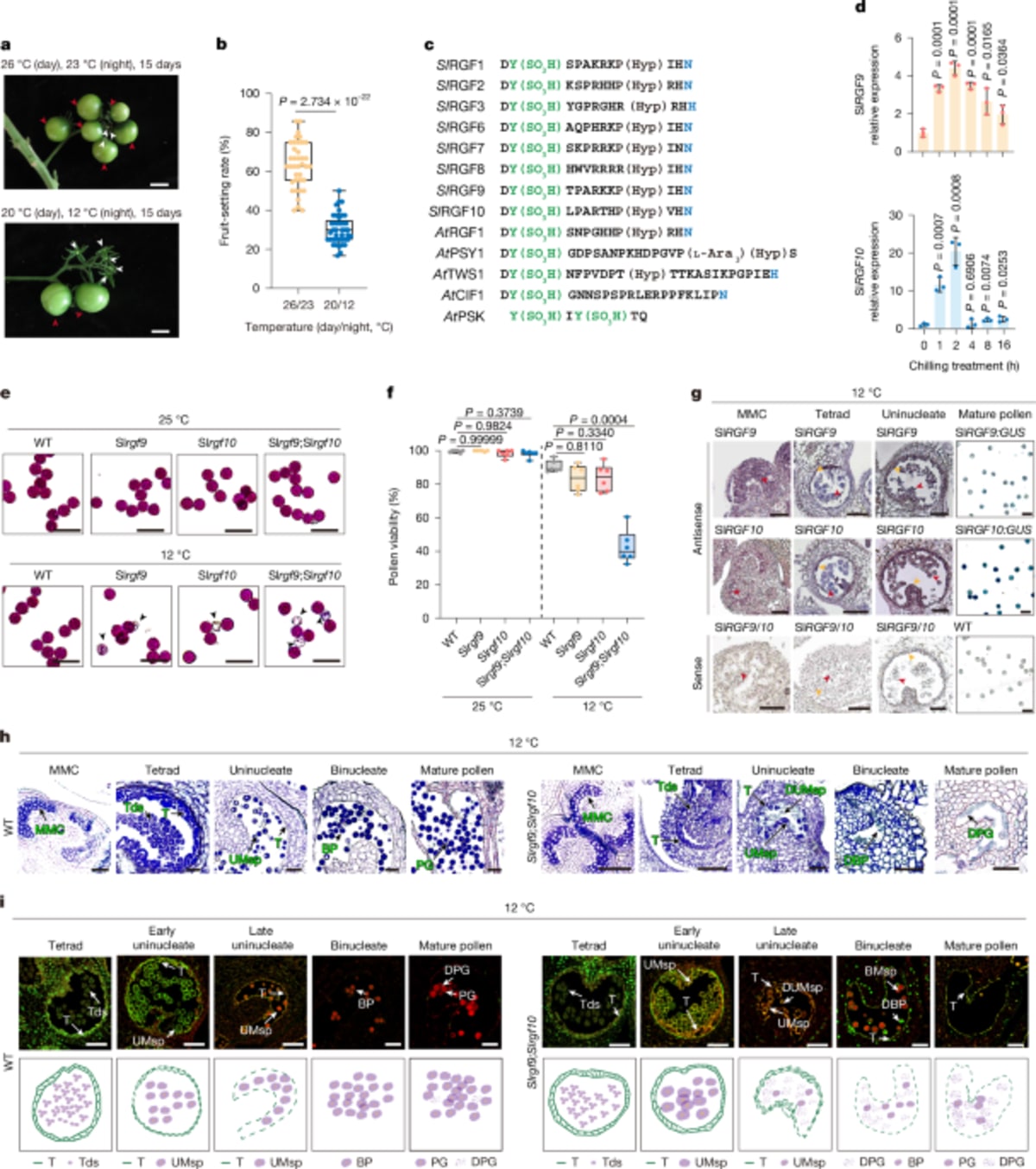
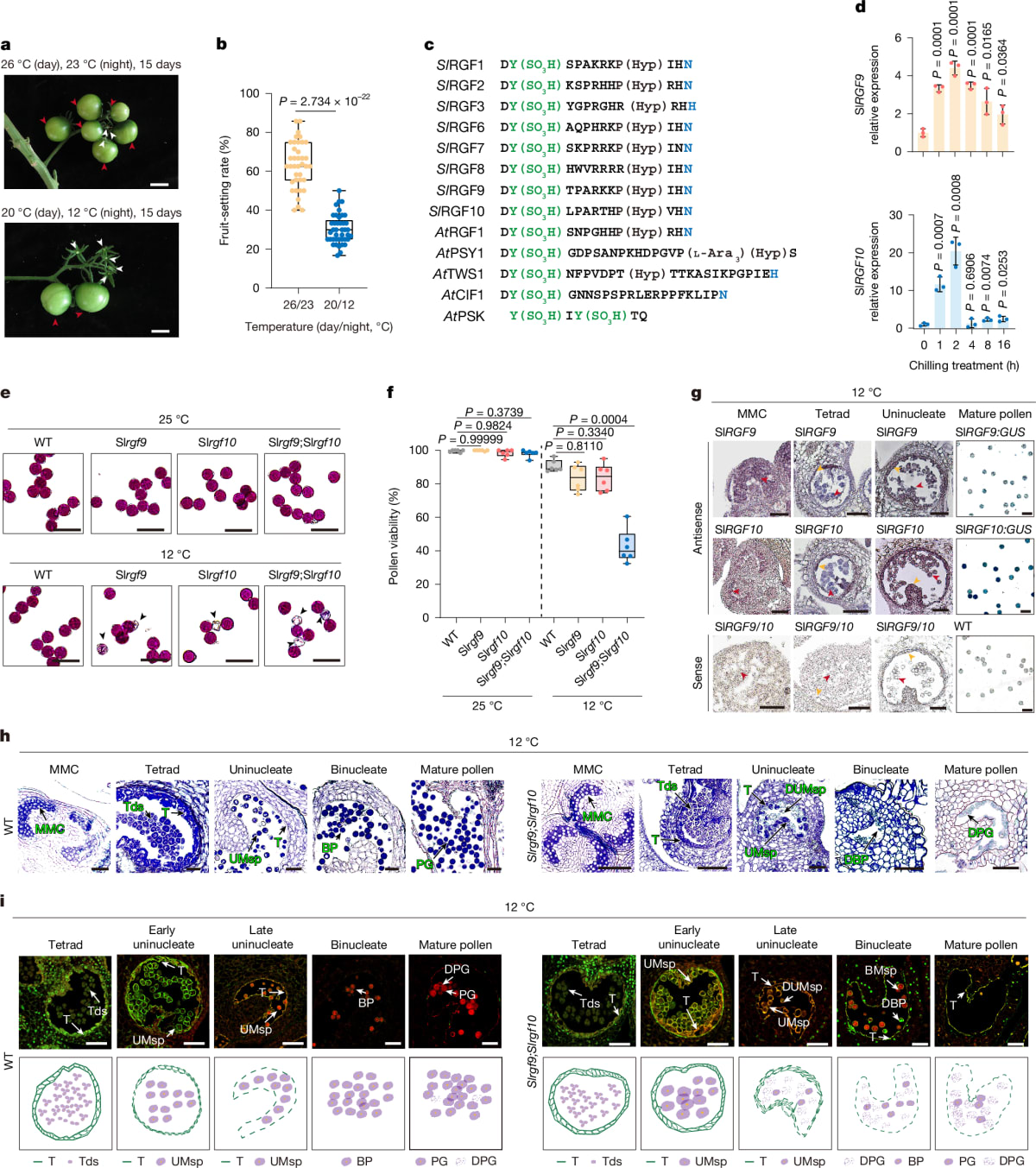
Scientists at multiple research institutions discovered that tomatoes and rice have built-in cold protection systems controlled by tiny signaling proteins called RGFs. When temperatures drop during flowering, these proteins normally activate to protect pollen from damage, but not always fast enough to prevent crop losses.
The research team found that boosting two specific proteins, SlRGF9 and SlRGF10, gave tomato plants much stronger cold resistance. When cold weather hit during the critical flowering stage, modified plants produced up to 52% more fruit than regular plants experiencing the same conditions.
The system works like an early warning network inside the plant. When cells detect cold stress, the RGF proteins bind to receptor molecules on cell surfaces, triggering a calcium surge that protects developing pollen from dying prematurely. This keeps the plant's reproductive cycle on track even when temperatures dip.
What makes this discovery especially exciting is that the same protective mechanism exists across many food crops. The researchers tested their approach in rice and recovered 18.3% of yield that would have been lost to cold damage.
Cold weather during flowering causes severe crop failures worldwide, costing farmers billions annually. Climate change is making these damaging cold snaps more unpredictable and frequent, even as overall temperatures rise.
The Ripple Effect
This breakthrough could transform food security in regions prone to late spring frosts or early fall freezes. Unlike crops that rely on intensive chemical treatments or require perfect weather, these enhanced plants use their own natural defense systems more effectively.
The technique works without introducing foreign genes from other species, making regulatory approval potentially smoother in many countries. Farmers could plant these varieties using the same methods they already know.
Rice and tomatoes together feed billions of people daily. Even modest yield improvements during weather events could mean the difference between food scarcity and abundance in vulnerable communities.
The research team is now working to apply the same approach to other staple crops including wheat and corn, which also suffer devastating losses from cold stress during reproduction.
One small protein adjustment is helping plants protect themselves and the people who depend on them.
More Images
Based on reporting by Nature News
This story was written by BrightWire based on verified news reports.
Spread the positivity!
Share this good news with someone who needs it