Scientists Boost Immune Cells to Fight Hidden HIV
Researchers at Case Western Reserve University are using cancer treatment techniques to wake up the immune system and hunt down HIV hiding in the body. The breakthrough could one day help people living with HIV reduce or stop lifelong medication.
For the first time, scientists are using proven cancer-fighting methods to tackle one of HIV's most stubborn problems: its ability to hide in the body for decades.
Researchers at Case Western Reserve University discovered that supercharging natural killer cells, a type of immune cell, can help find and destroy HIV hiding in dormant infected cells. Published in the journal mBIO, this approach could eventually reduce the need for lifelong daily medication.
Thanks to antiretroviral therapy (ART), HIV has transformed from a fatal diagnosis into a manageable condition over the past few decades. People living with HIV can now lead long, healthy lives with undetectable virus levels and zero risk of transmission.
But ART doesn't cure HIV. It requires strict daily medication with side effects, and stopping the drugs allows the virus to rebound within weeks.
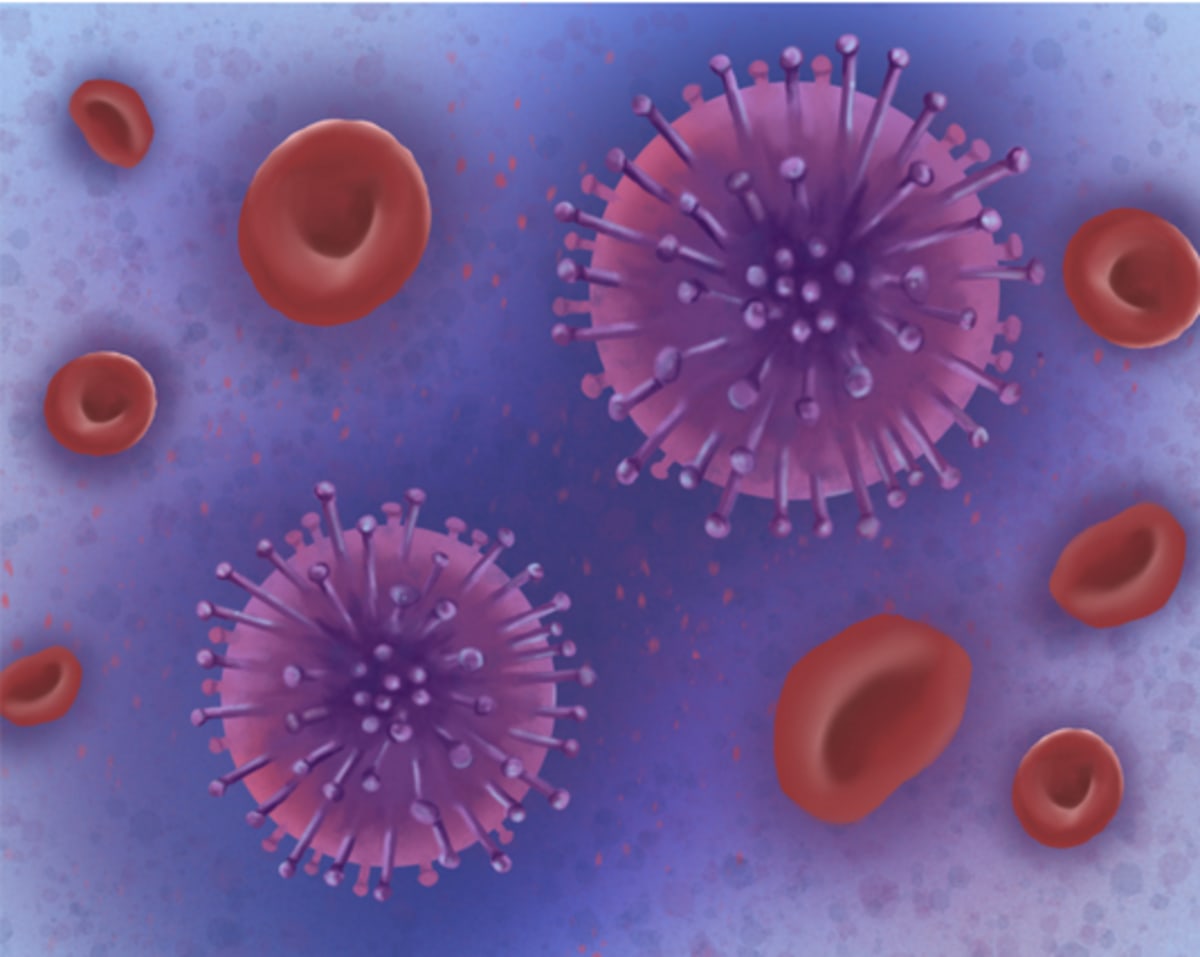
The problem is that HIV plays hide and seek with the immune system. After infection, the virus converts its genetic material into DNA and embeds itself permanently into human cells. Some infected cells stay active and produce more virus, but others enter a dormant state, creating hidden reservoirs that current drugs can't touch.
"So if you stop taking drugs, the virus rebounds," said Dr. Jonathan Karn, director of CWRU's Center for AIDS Research and lead researcher on the study.
Karn's team found a solution by borrowing techniques already used in cancer immunotherapy. They extract natural killer cells from the blood of people living with HIV and grow massive quantities in the lab using specially engineered cells that act like training coaches. This process both multiplies the NK cells and equips them with better "sensors" to recognize infected cells that need eliminating.
"NK cells from people living with HIV have an innate ability to kill HIV-infected cells, but this requires activation," said Mary Ann Checkley-Luttge, a senior research associate on the project. The boosted cells can more easily find and destroy actively infected cells, potentially reducing reservoirs enough to allow long-term control without daily medication.
The Ripple Effect
The research team is now testing their approach in primate models to understand how it works throughout the body. In partnership with Temple University and Rutgers University, they're laying groundwork for human clinical trials in the coming years.
This breakthrough represents more than just a new treatment option. It demonstrates how innovations in one field can unlock solutions in another, potentially helping the 38 million people worldwide living with HIV.
The path from laboratory discovery to approved treatment takes years, but for the first time, a cure without lifelong medication feels within reach.
Based on reporting by Google News - New Treatment
This story was written by BrightWire based on verified news reports.
Spread the positivity!
Share this good news with someone who needs it