Scientists Build Cell From Scratch That Copies and Divides
Researchers created SpudCell, a synthetic cell built from 36 genes that can copy its DNA and divide up to five times. This breakthrough brings us closer to designing cells that could produce everyday chemicals without using oil.
Scientists just built a cell from scratch that can do something no other synthetic cell has ever done: copy its DNA and divide on its own.
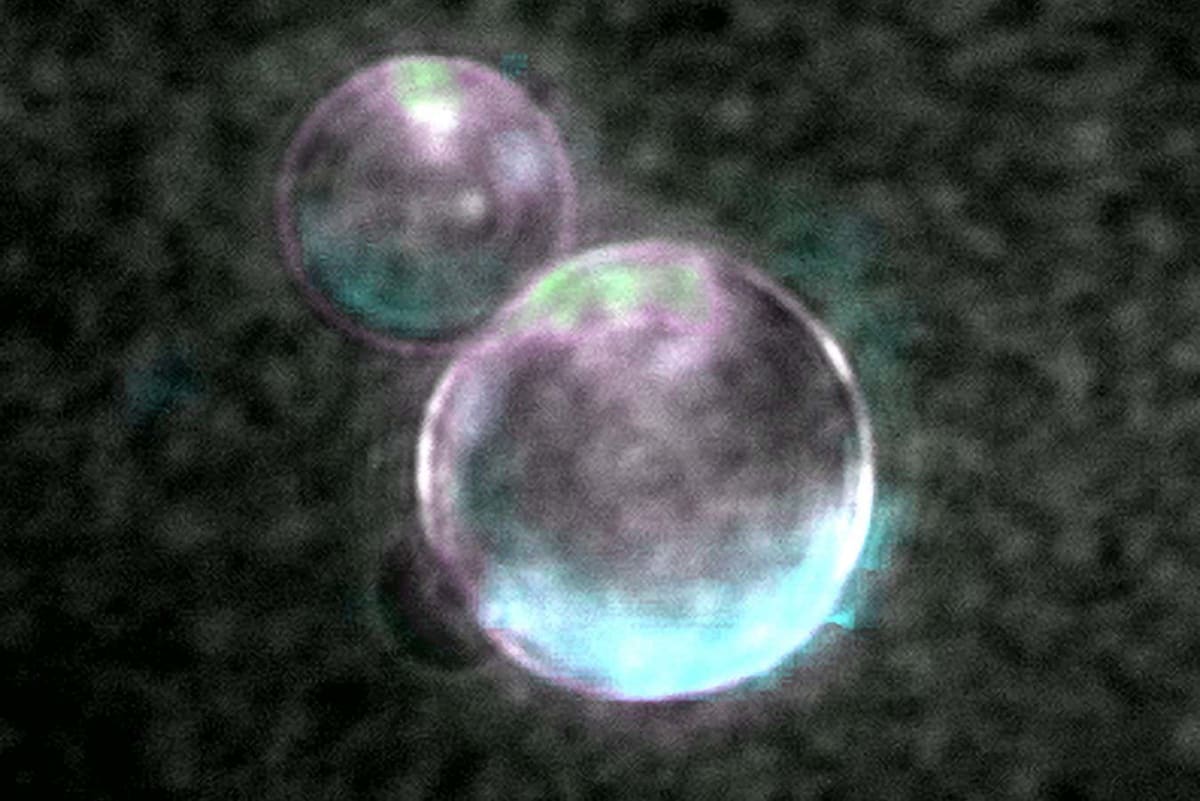
The SpudCell, created by Kate Adamala and her team at the University of Minnesota, contains just 36 genes borrowed from bacteria, viruses, and even jellyfish. While natural cells have thousands of genes, this stripped-down version can perform the basic functions of life, dividing up to five times before it stops working.
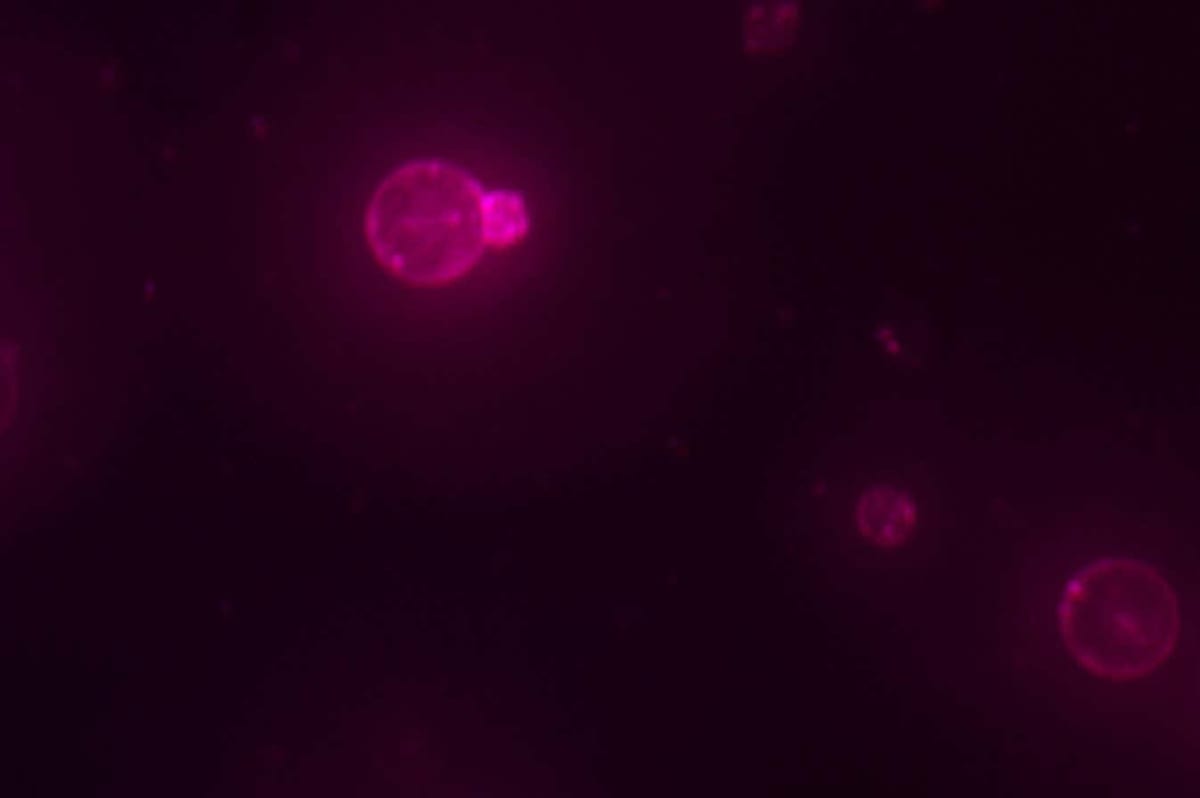
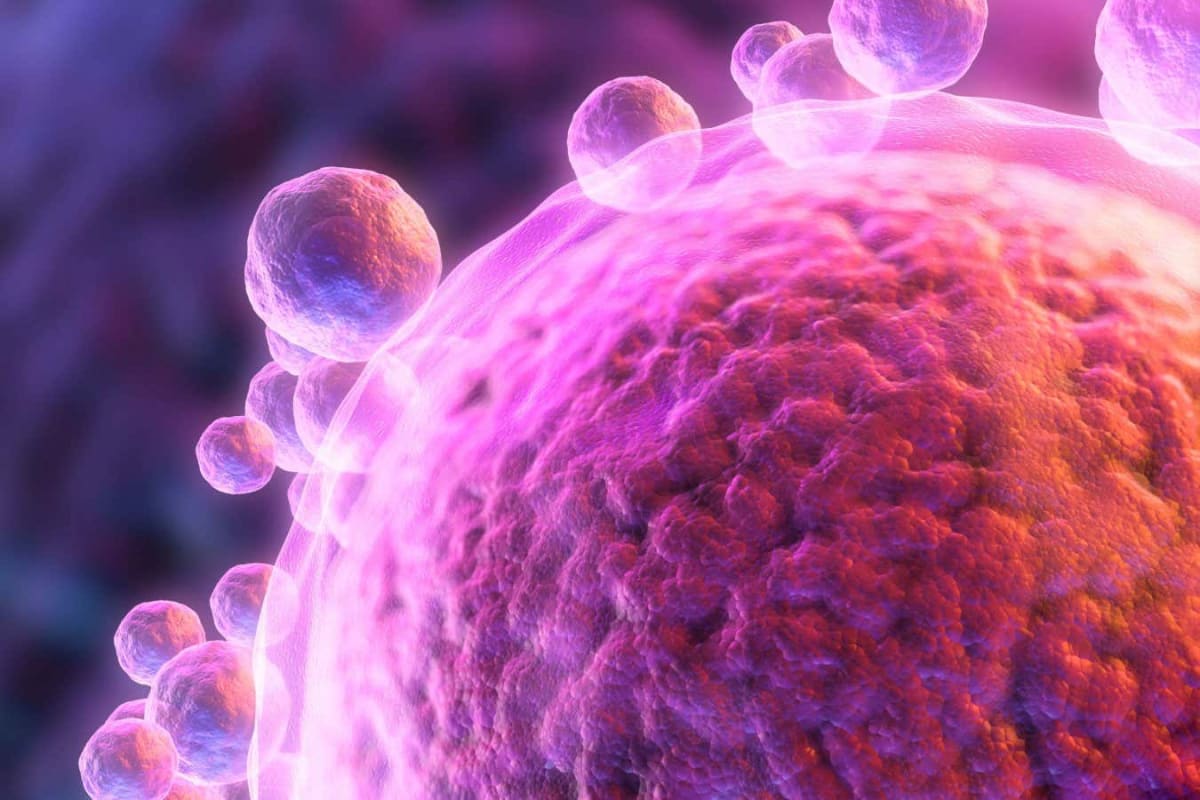
This isn't science fiction anymore. The team assembled the cell by engineering genes onto seven circular pieces of DNA, then placing them in a solution with all the molecular building blocks cells need. Fatty molecules in the solution formed bubbles, and some of these bubbles captured all the genetic material needed to function.
The cells divide when large proteins jostle for space on their membranes, causing parts to bud off and form new cells. It's messy and imperfect, but it works. That alone makes it the most advanced feat of bioengineering to date.
The Bright Side
SpudCell isn't technically alive yet. It needs constant feeding with molecular building blocks and can't make its own protein factories. But Adamala believes the team can solve these problems soon, potentially creating cells that divide indefinitely.
The real promise lies in what comes next. Adamala's goal is to create synthetic cells that can produce all the chemicals we currently make from oil, from plastics to pesticides. Normal cells would die if they tried to make many of these toxic chemicals, but synthetic cells could be designed to tolerate them.
The team is making the SpudCell project open source so researchers worldwide can improve it. This collaborative approach could speed up progress dramatically, turning today's primitive synthetic cell into tomorrow's chemical factory.
There's no need to worry about synthetic cells escaping into the wild. These cells are completely dependent on their carefully controlled lab environment and couldn't survive outside it. They're more like helpful tools than potential threats.
For the first time, scientists have built a cell from the ground up that can reproduce itself, bringing us one step closer to understanding life's most fundamental processes and harnessing them for a cleaner future.
More Images


Based on reporting by New Scientist
This story was written by BrightWire based on verified news reports.
Spread the positivity!
Share this good news with someone who needs it