Scientists Build $10 Cancer Testing Chips for Kids
Researchers created a simple way to make palm-sized devices that test which cancer treatments work best for each patient, without expensive labs or experts. The breakthrough could help doctors find the right treatment faster and is now being used to study childhood brain cancer.
📺 Watch the full story above
Finding the right cancer treatment just became easier and more affordable thanks to a breakthrough at the University of Calgary.
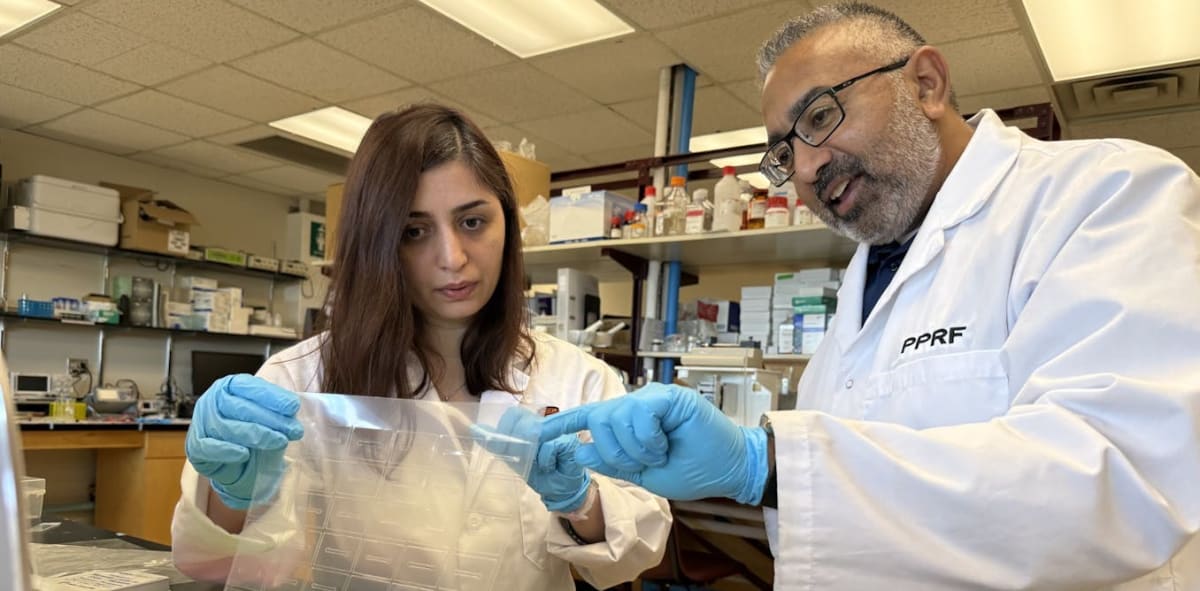
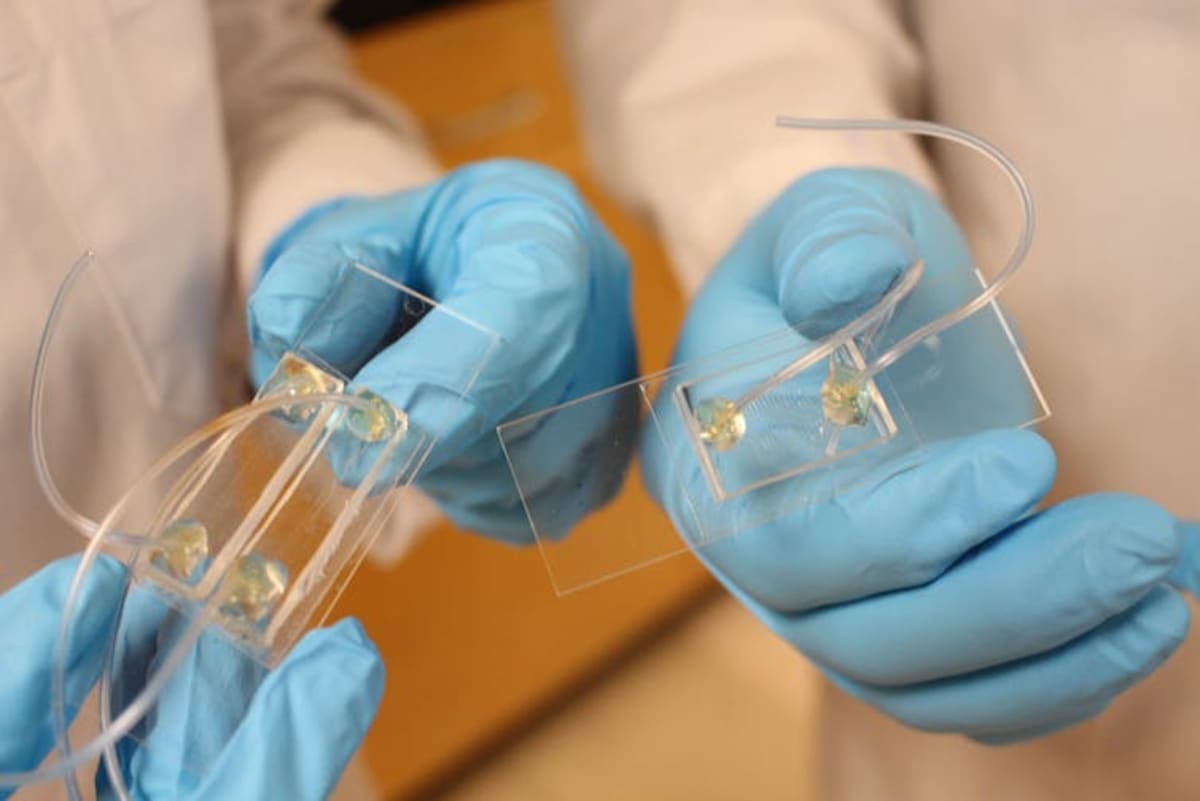
Researchers Sara Hassanpour Tamrin and Arindom Sen developed a simple method to build "tumour-on-a-chip" devices that test personalized cancer treatments outside the body. The chips are small enough to fit in your hand but powerful enough to recreate key features of a patient's actual tumour.
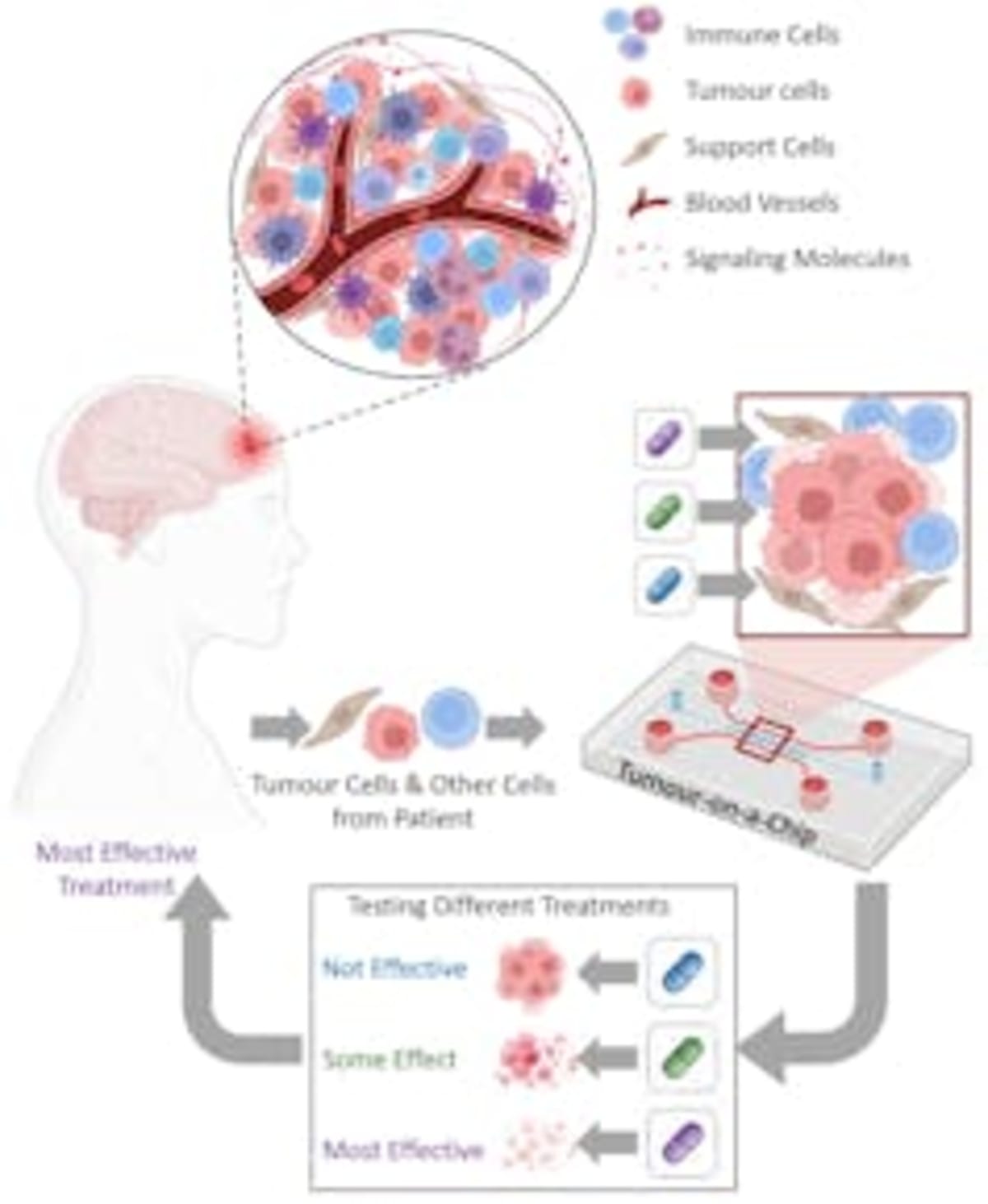
Here's why that matters. Two people with the same cancer can have completely different tumours because of genetic differences. A treatment that saves one patient might not work for another.
Traditional tumour testing in lab dishes doesn't include the complex environment tumours experience inside the body. Cancer cells interact with surrounding cells and signals that change how they respond to treatment.
The new chips solve this problem. Tiny channels inside each device allow nutrient-rich fluids to flow around tumour cells, mimicking how blood flows through vessels. Doctors can grow a patient's cancer cells alongside other tissue types to create realistic mini-tumours, then safely test different treatments to find what works best.
Until now, making these devices required expensive materials, specialized equipment, and trained experts. That limited access to just a handful of well-funded laboratories.
The Calgary team changed that by developing a manufacturing method using accessible materials that any standard lab can afford. Their approach eliminates the need for costly cleanroom facilities while still producing devices that grow functional human tissue.
The Ripple Effect
This breakthrough does more than make science cheaper. It democratizes life-saving technology.
More laboratories worldwide can now access tumour-on-a-chip devices, bringing personalized cancer treatment closer to everyday clinical use. Doctors could soon test multiple treatment options on a patient's actual tumour cells before choosing the best approach, avoiding ineffective treatments and saving precious time.
The team is already applying their innovation to childhood brain cancer research. Cancer cells release tiny particles called extracellular vesicles that carry information about how the disease develops and changes.
Using their chips, researchers can create brain tumour models outside the body and track these particles over time. This provides a safer alternative to repeatedly accessing brain tissue from young patients, a procedure that's invasive, painful, and risky.
The information gathered could lead to new treatments and help identify early cancer warning signs for faster diagnosis. While tumour-on-a-chip technology can't replace clinical trials or recreate the entire human body, it offers a powerful new tool for understanding how cancers grow and respond to different approaches.
The future of cancer treatment is getting smaller, smarter, and more personal.
More Images
Based on reporting by Google News - New Treatment
This story was written by BrightWire based on verified news reports.
Spread the positivity!
Share this good news with someone who needs it