Scientists Build $40B Impact Through 20 Years of Collaboration
The Blavatnik Awards for Young Scientists celebrates two decades of connecting brilliant minds across disciplines, sparking collaborations that have launched 50 companies and secured 800 patents. This summer's symposium showed how chemistry innovations are removing toxic contaminants from water, AI is revolutionizing labs, and brain research is unlocking autism mysteries.
📺 Watch the full story above
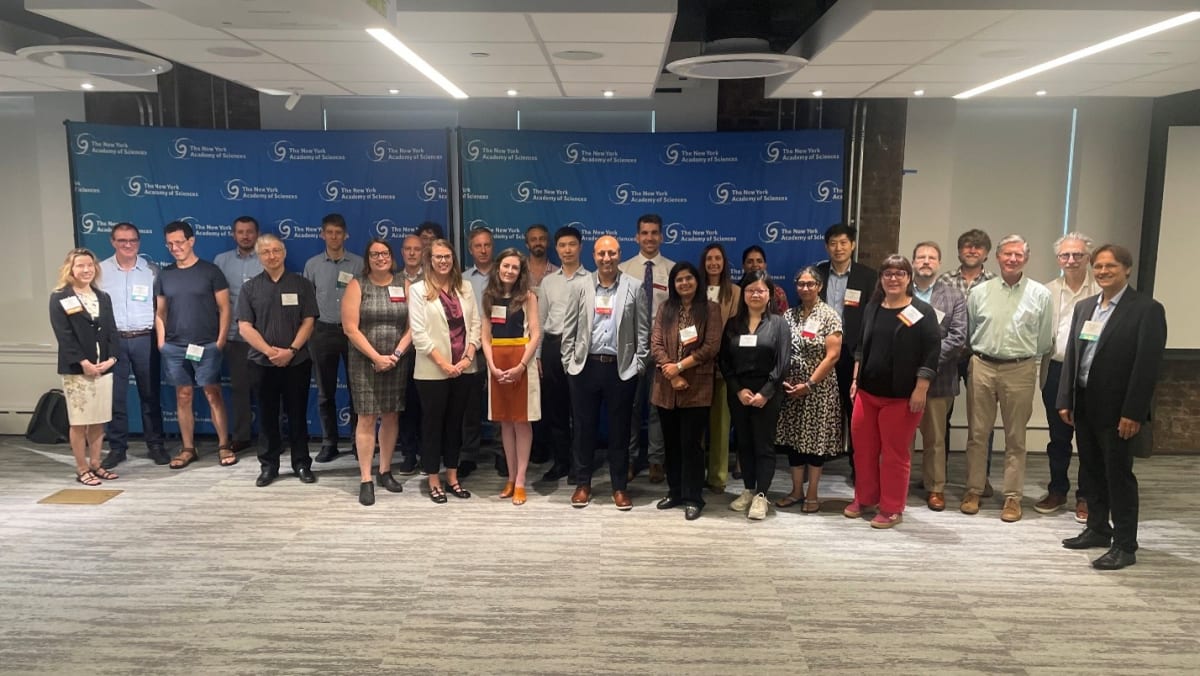
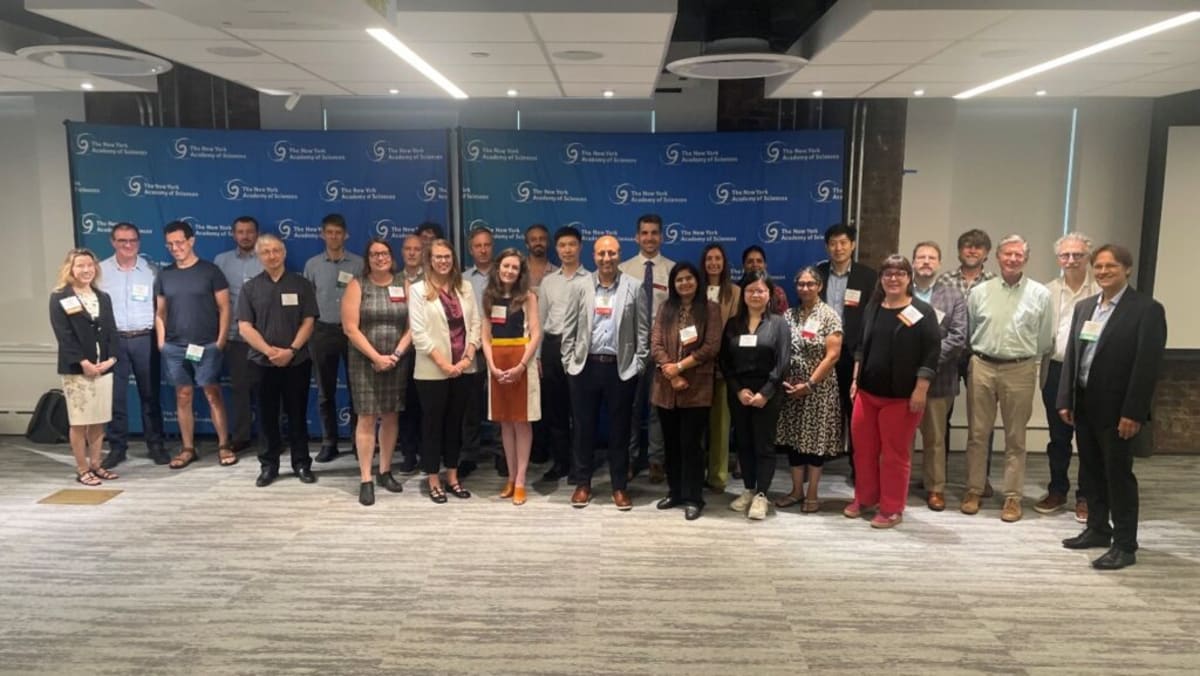
Over 500 scientists gathered in New York this summer to share breakthroughs that could change how we clean our water, educate our children, and understand our brains.
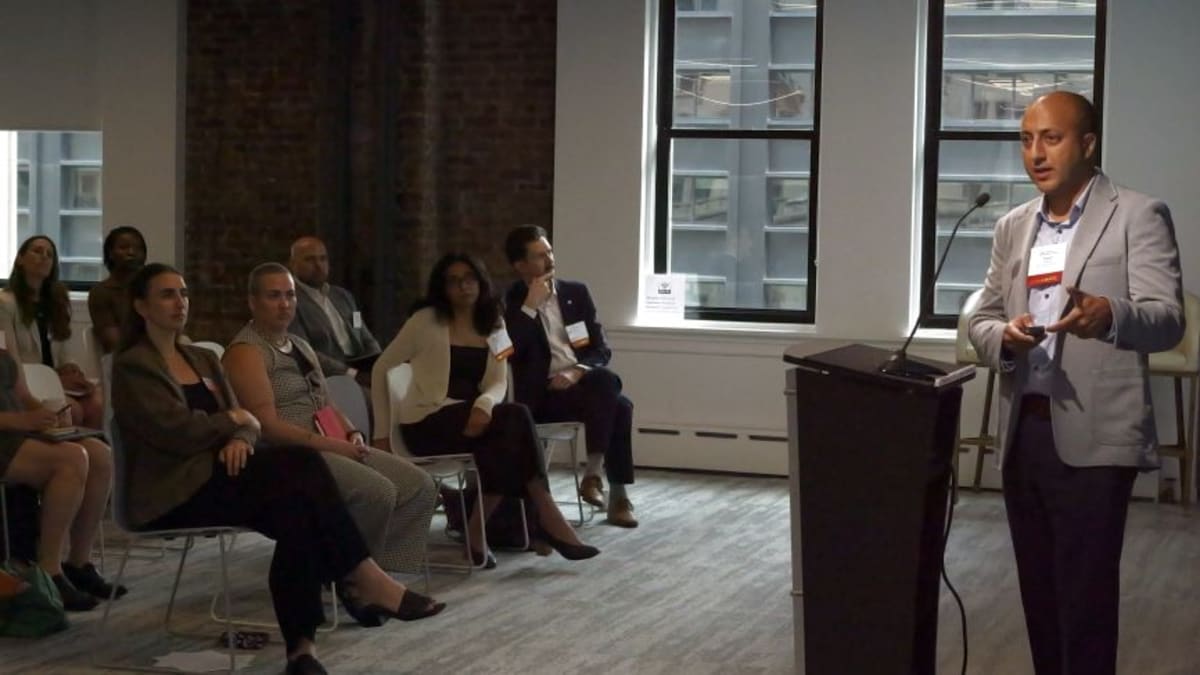
The Blavatnik Science Symposium marked its 20th anniversary by bringing together award-winning researchers from across the United States, United Kingdom, and Israel. Since 2006, these young scientists have turned their early support into remarkable real-world impact: 50 companies founded, more than 800 patents secured, and five publicly traded companies worth $40 billion combined.
The symposium tackles a simple but powerful idea. Extraordinary advances happen when brilliant minds from different fields actually talk to each other.
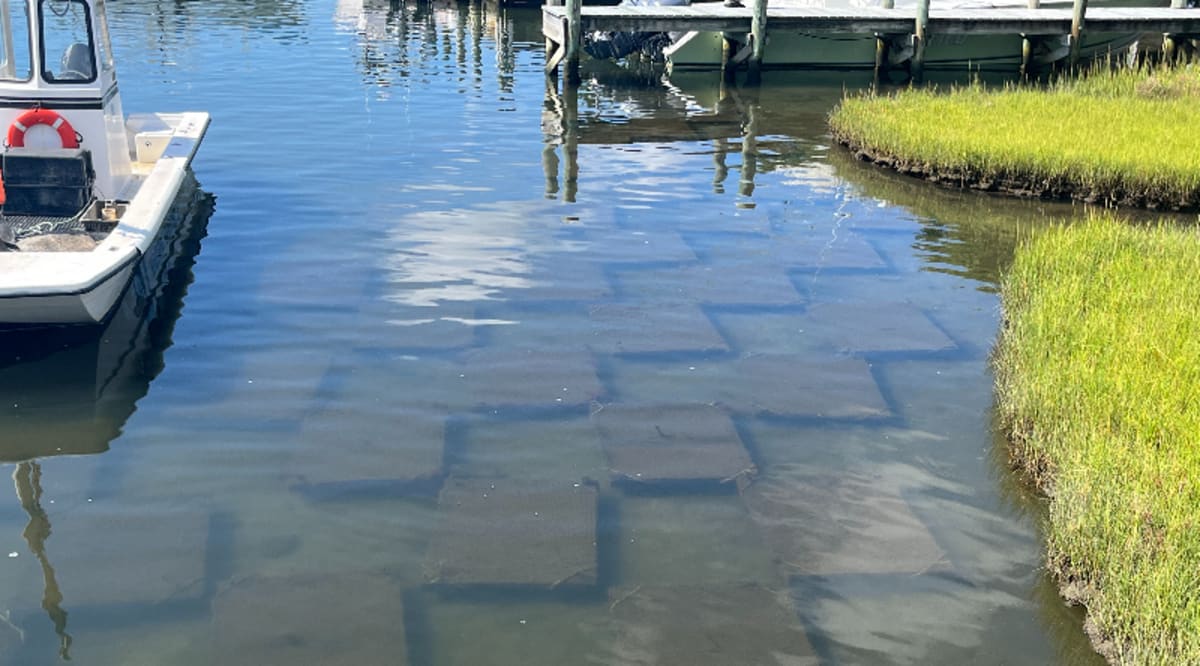
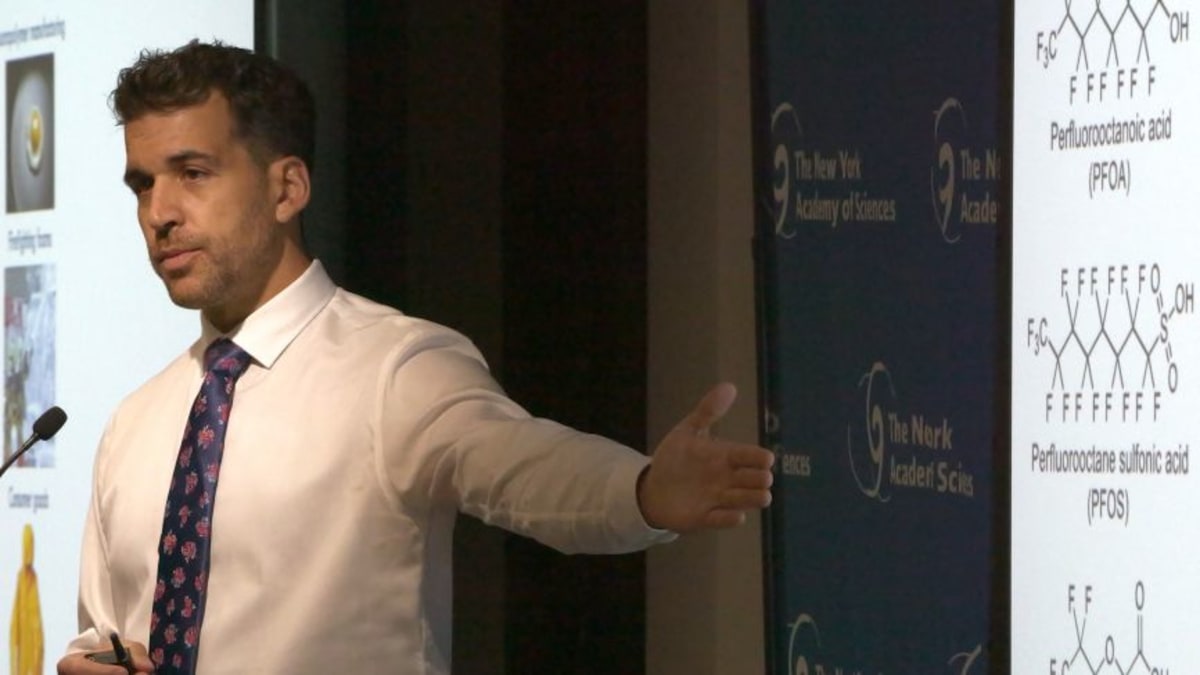
Frank Leibfarth from the University of North Carolina shared his work developing materials that pull PFAS chemicals out of drinking water. These "forever chemicals" contaminate water supplies across America, and his team is partnering with utilities and policymakers through North Carolina's NC PURE initiative to deploy solutions now.
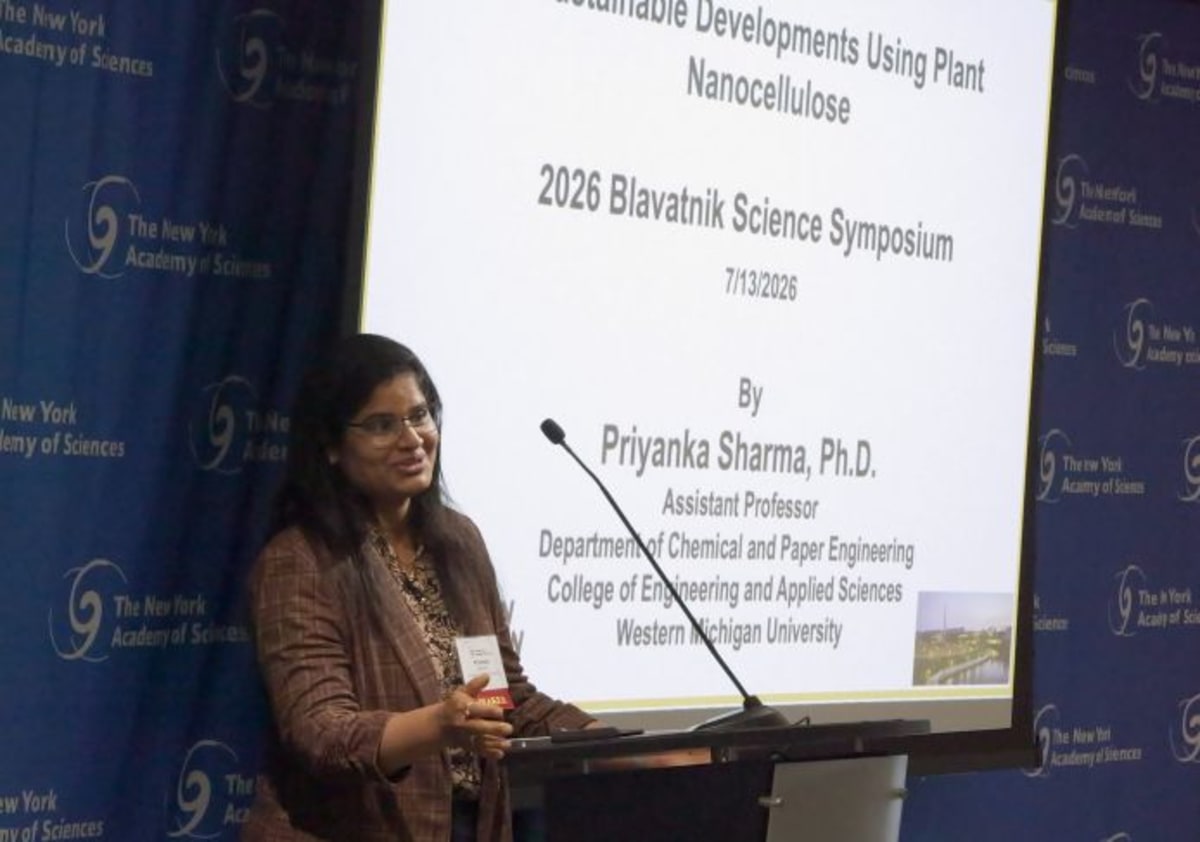
Priyanka Sharma from Western Michigan University demonstrated how plant-based nanocellulose can remove toxic metals and pollutants from water. The best part? Her materials are recyclable and reusable, making cleanup more sustainable.
Meanwhile, MIT's Marin Soljačić showed how artificial intelligence is becoming a lab partner. AI can now generate hypotheses, design experiments, and even run self-driving laboratories that discover new materials and drugs faster than humans working alone.
The brain research proved equally exciting. Tomasz Nowakowski from UC San Francisco is examining brain tissue at the cellular level to understand autism spectrum disorder. He's identifying specific genes and cell types that differ in people with ASD, particularly in brain regions controlling speech.
The Ripple Effect
These connections spark collaborations that ripple far beyond individual labs. Scientists at the symposium have joined forces on projects tackling antibiotic resistance, developing nanophotonics, and advancing virology research.
Emily Pentzer from Texas A&M showcased polymer materials that could capture carbon, improve 3D printing, and store thermal energy. David Nagib from Ohio State revealed new chemistry techniques that let scientists modify complex molecules in ways previously impossible.
Daphné Bavelier from the University of Geneva presented surprising research showing how action video games enhance attention and cognition. Her team is applying these insights to create better educational tools for everything from teaching kids to read to supporting lifelong learning.
The timing matters more than ever. Scientific research and education face growing challenges, particularly in securing early-career funding when bold ideas need support most.
Nicholas Dirks, President of the New York Academy of Sciences, emphasized why bringing these minds together matters. The symposium creates space for scientists to forge connections that shape the future of discovery itself.
Twenty years of investment in young scientists is paying forward in patents that protect innovations, companies that employ thousands, and breakthroughs that address humanity's biggest challenges from clean water to understanding the human brain.
More Images
Based on reporting by Google: scientific discovery
This story was written by BrightWire based on verified news reports.
Spread the positivity!
Share this good news with someone who needs it