Scientists Build Life-Size Dinosaur Nest, Solve Hatching Mystery
Researchers in Taiwan built a full-scale dinosaur nest and discovered why oviraptor eggs hatched at different times 70 million years ago. The findings reveal a unique incubation method that combined body heat with sunlight.
A life-size reconstruction of a dinosaur nest just solved a puzzle that's stumped scientists for decades.
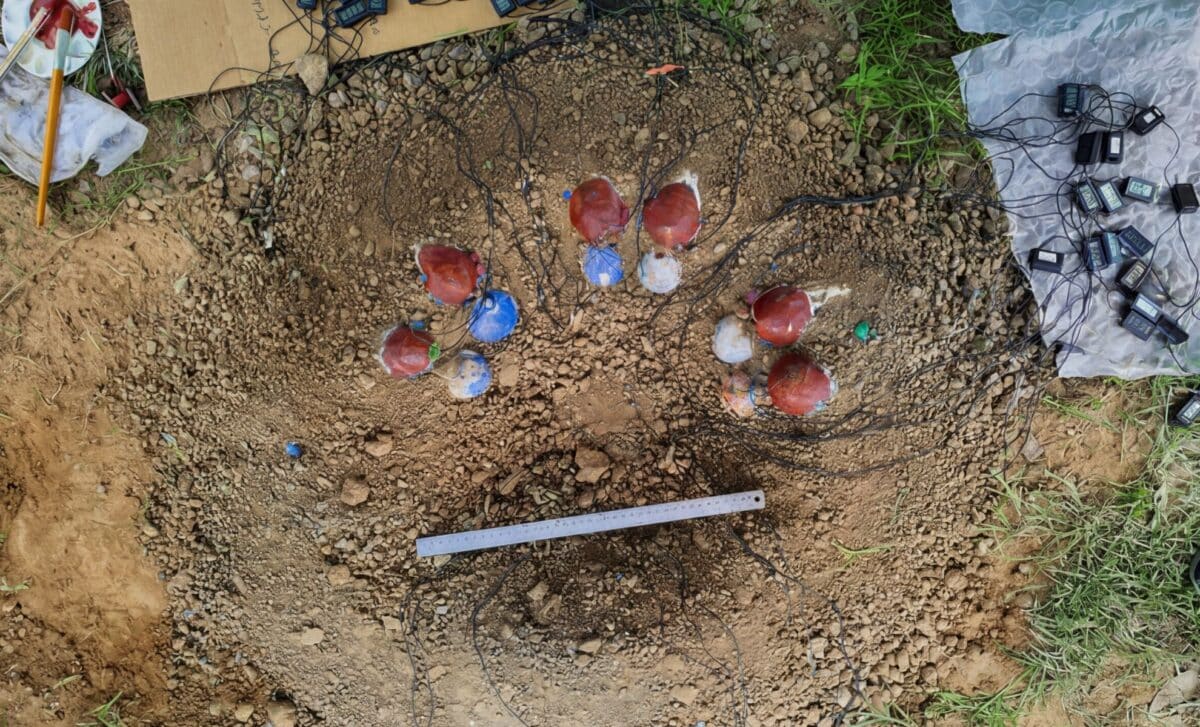
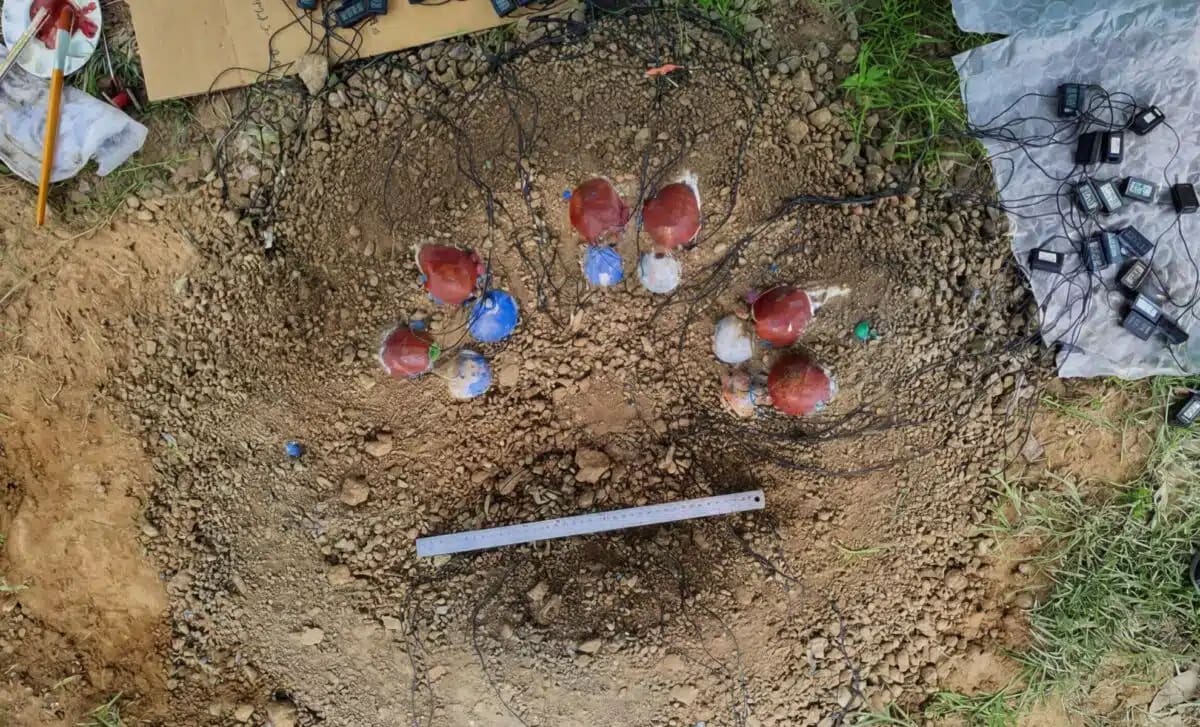
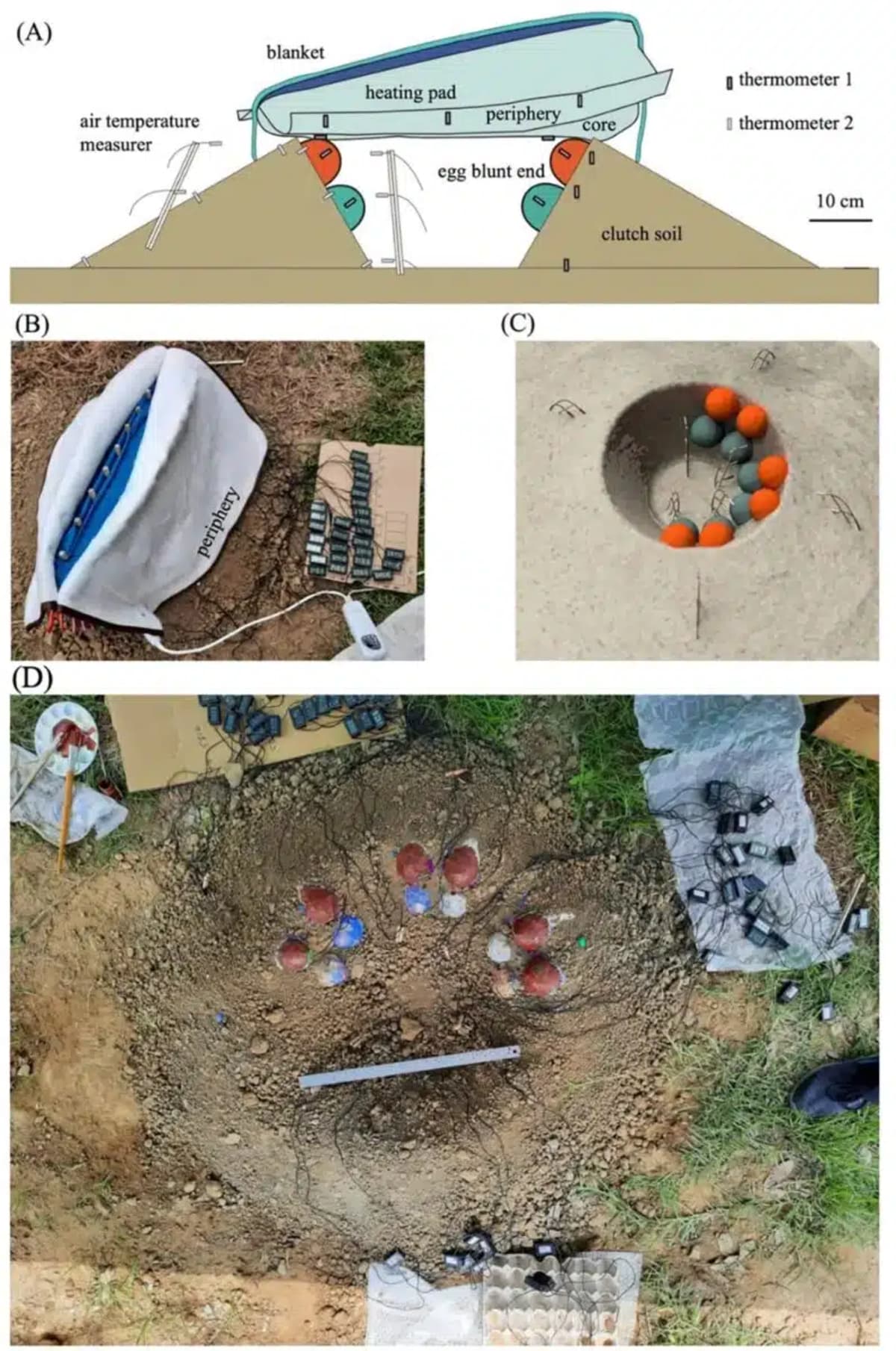
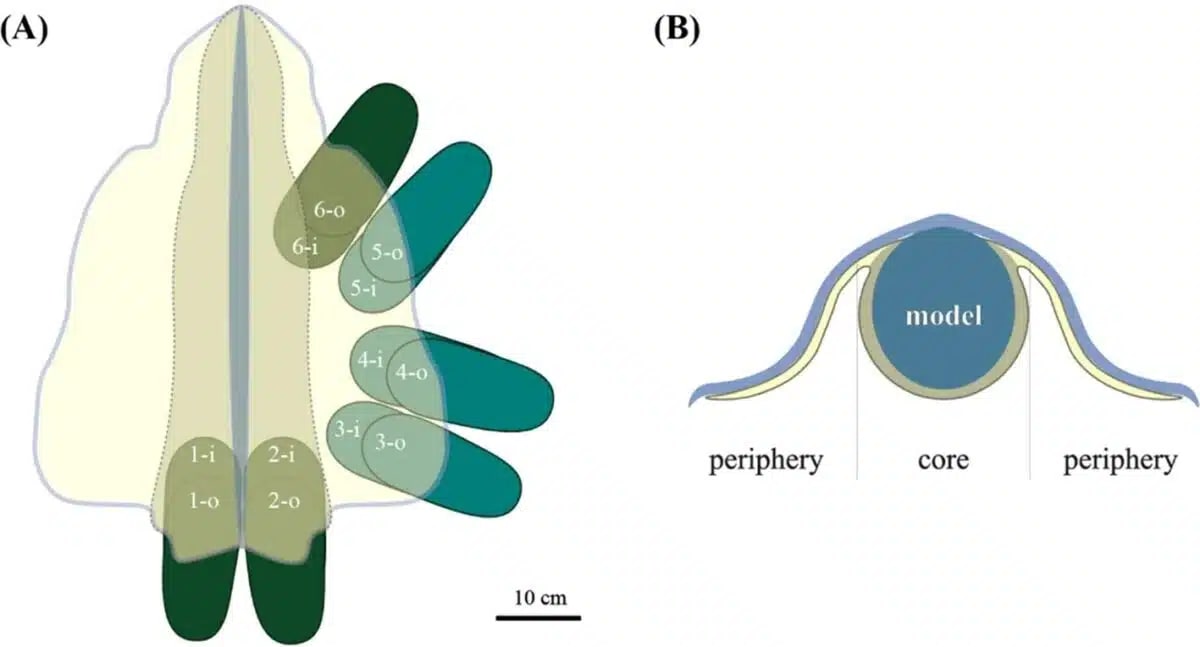
Researchers in Taiwan built a complete replica of an oviraptor nest to understand how these ancient creatures kept their eggs warm. The team used polystyrene foam, wood, and custom-made resin eggs arranged in double rings, just like the real fossils show.
The experiments revealed something surprising. Temperature differences between eggs in the same nest reached up to 6°C in cold conditions, dropping to just 0.6°C in warmer weather.
These uneven temperatures explain why not all eggs hatched at the same time. The adult oviraptor sat in the center of a ring-shaped nest, warming some eggs more than others based on their position.
"Part of the difficulty lies in reconstructing oviraptor incubation realistically," said researcher Chun-Yu Su. The team had to invent their approach since no modern animal nests quite like this.
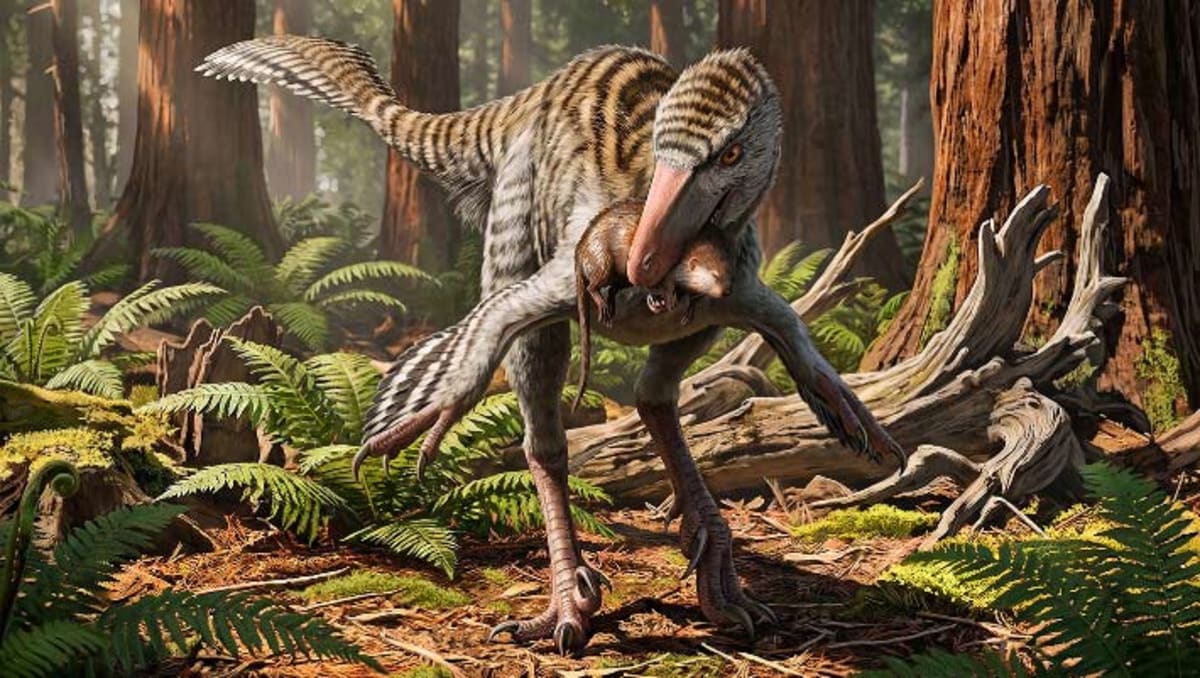
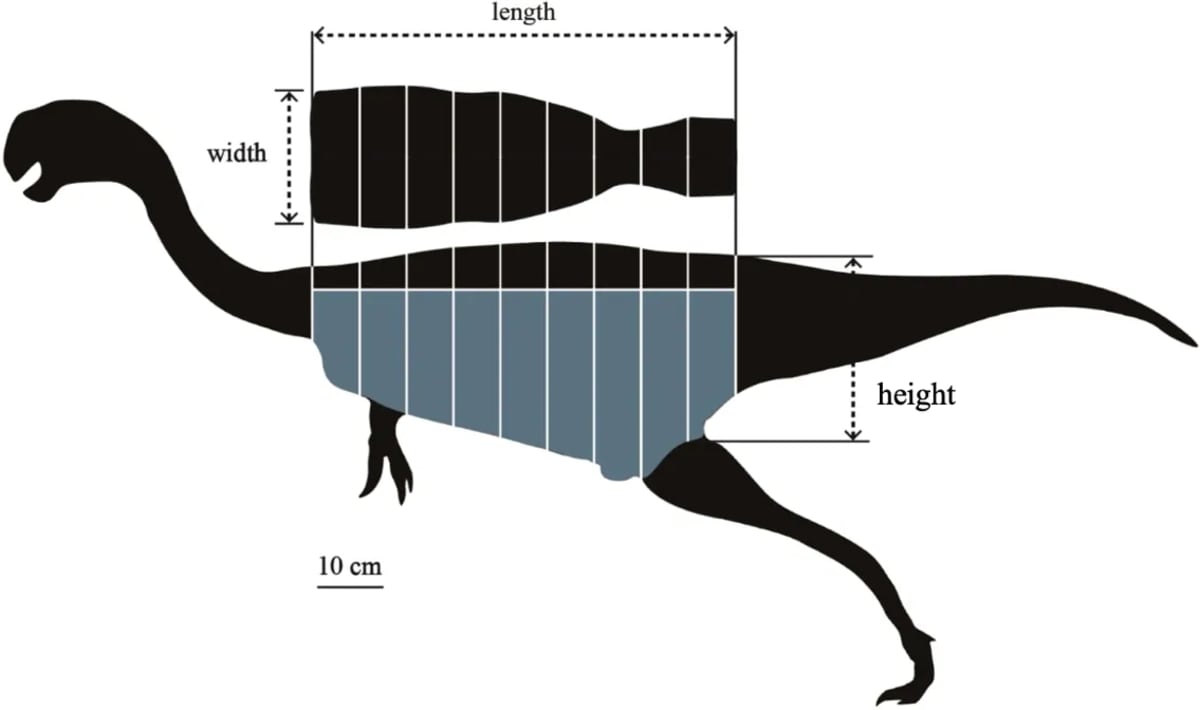
The study focused on Heyuannia huangi, a species that lived between 70 and 66 million years ago. These dinosaurs measured about 1.5 meters long and weighed around 20 kilograms, roughly the size of a large turkey.
What makes their nesting strategy special is how it combined methods. Unlike modern birds that cover their eggs completely for stable warmth, oviraptors used both body heat and sunlight in what scientists call "co-incubation."
The open nest structure meant solar warmth played a bigger role than ground heat. This differs from reptiles like turtles, which bury their eggs underground.
Dr. Tzu-Ruei Yang explained that the circular arrangement prevented the adult from touching every egg at once. This made their system less efficient than modern bird incubation, but it worked perfectly for their environment.
Why This Inspires
This research shows how creative thinking solves ancient mysteries. By building something with their hands instead of just running computer models, the team brought a 70-million-year-old parenting strategy back to life.
The findings also challenge our assumptions about evolution. "Modern birds aren't 'better' at hatching eggs," Yang said. "Nothing is better or worse. It just depends on the environment."
Understanding how dinosaurs adapted to their world reminds us that different solutions work for different challenges. The oviraptors found their own path between reptile and bird strategies, proving nature rewards innovation.
This hands-on approach to paleontology opens doors for studying other extinct species and their behaviors in ways computers alone never could.
More Images
Based on reporting by Google News - Science
This story was written by BrightWire based on verified news reports.
Spread the positivity!
Share this good news with someone who needs it