Scientists Build World's First Open-Source Quantum Computer
Researchers at the University of Waterloo are giving away the blueprints to their quantum computer for free, accelerating a technology that could transform medicine, energy, and computing. Their bold move prioritizes collaboration over profit, inviting scientists worldwide to build on their work instead of starting from scratch.
Imagine if every researcher working on the next big breakthrough had to invent the wheel first. That's been the reality in quantum computing, until now.
Scientists at the University of Waterloo have launched Open Quantum Design, a nonprofit offering the world's first fully open-source quantum computer. Anyone can access the complete design, from hardware blueprints to software code, absolutely free.
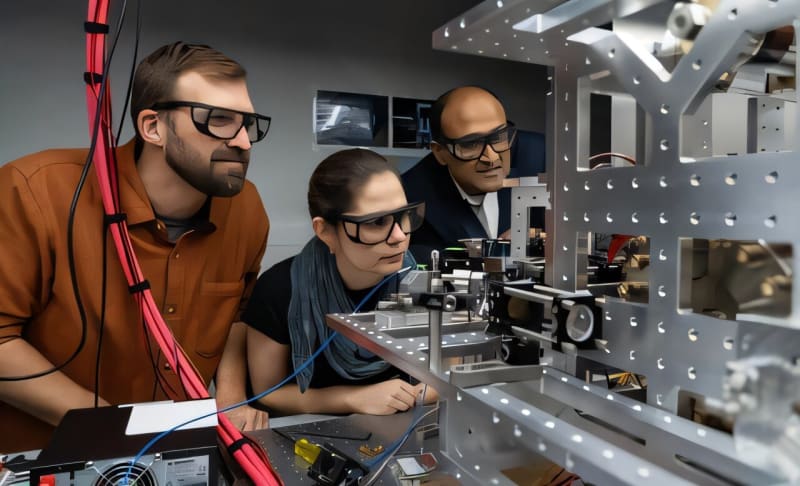
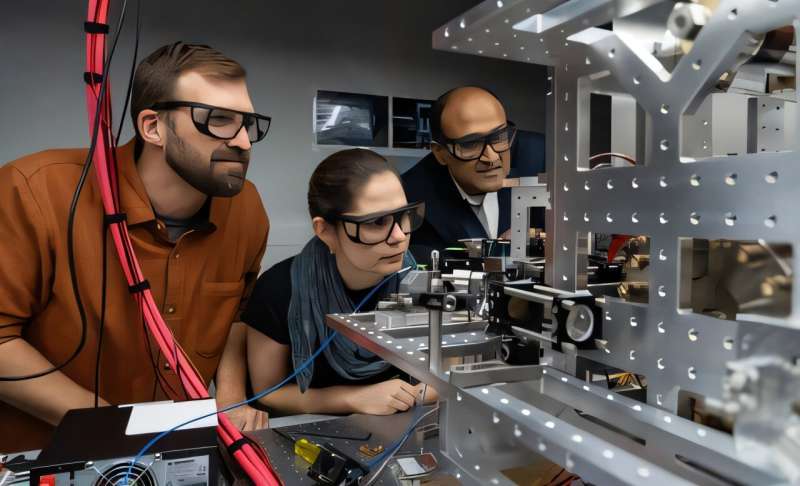
The team includes professors Crystal Senko, Rajibul Islam, Roger Melko, and CEO Greg Dick. They co-founded OQD in 2024 after eight years developing trapped-ion quantum computing technology at the Institute for Quantum Computing.
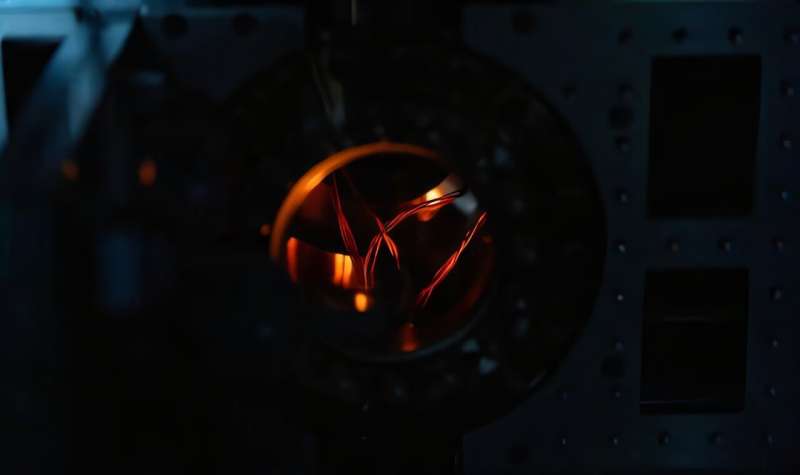
Their quantum computer works by isolating charged atoms in a vacuum and controlling them with lasers and electromagnetic fields. These atoms act as quantum bits that can process information in ways regular computers never could, potentially revolutionizing drug discovery, climate modeling, and encryption.
"We are offering a shared hub where groups can contribute what they're comfortable sharing," Senko explains. "As a nonprofit, we can be transparent about real progress without commercial pressures."
The approach is already working. More than 30 software contributors and dozens of laboratory partners have joined, including undergraduate students, graduate researchers, and companies like Xanadu. The University of Waterloo, Haiqu, and the Unitary Foundation have signed formal partnerships, gaining full access to the technology stack.
The Ripple Effect
Opening access to quantum computers solves a major bottleneck in the field. Software developers and theorists can now test their algorithms on real hardware instead of waiting months or years for limited lab time.
"Real hardware access is essential for developing and testing quantum algorithms," Senko says. "OQD makes that access open, inviting broader participation and helping the community build faster on shared foundations."
The platform also trains the next generation of quantum experts. Students and early-career researchers can experiment with actual quantum computers, not just simulations, preparing them for careers in a technology still in its infancy.
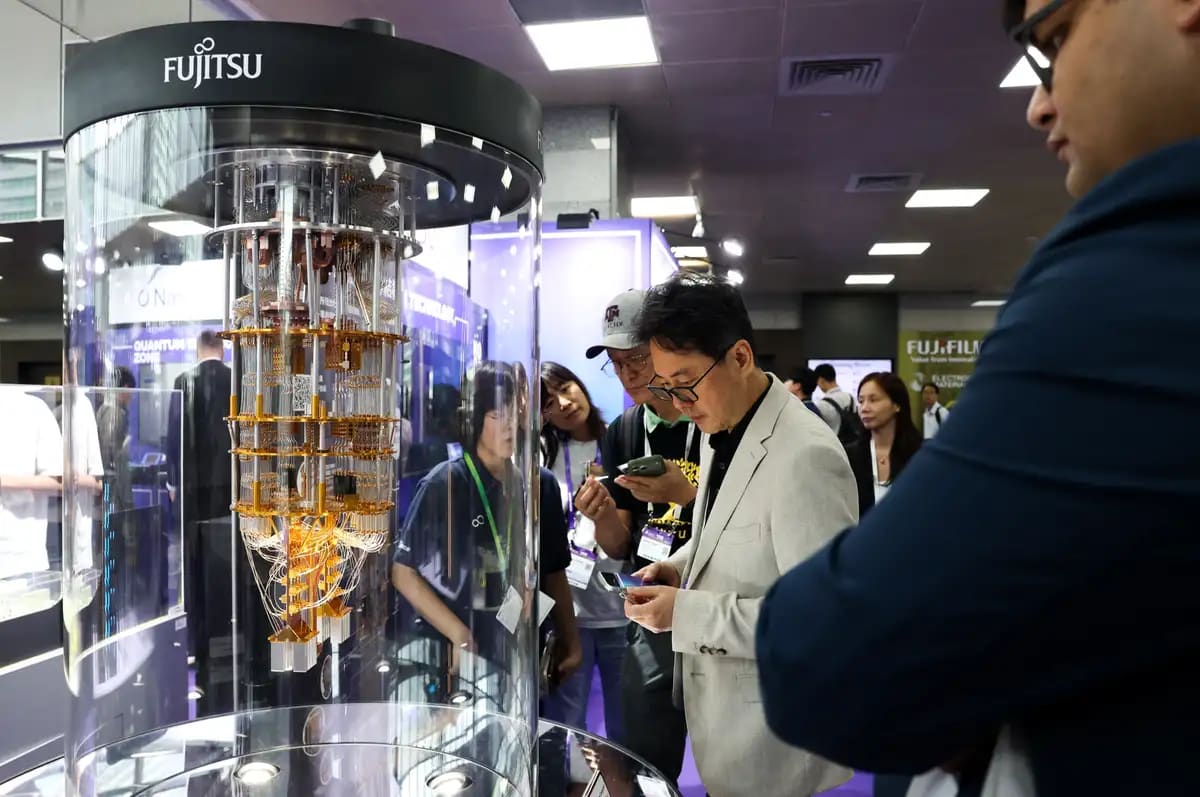
Beyond trapped ions, quantum computing takes many forms. Some use superconducting circuits in chandelier-like structures, while others harness light particles or electron magnetism. Each approach offers unique advantages, and insights from one platform often inform another.
"It's important to research all different computing approaches," Senko notes. "Sustained investment in each is vital if we want to understand quantum computers' full potential."
OQD represents a third path between academic labs and profit-driven startups. By removing competitive secrecy, they're betting that collective progress will outpace what any single organization could achieve alone.
The quantum computing community has always valued knowledge sharing, and OQD scales that tradition to unprecedented levels. Partners don't just access the technology; they help steer its development, creating a truly collaborative ecosystem.
When breakthroughs happen faster because everyone builds on the same foundation, we all win sooner.
More Images
Based on reporting by Phys.org
This story was written by BrightWire based on verified news reports.
Spread the positivity!
Share this good news with someone who needs it