Scientists Buried 1,000 Underpants to Measure Soil Health
Researchers won an Ig Nobel Prize for burying cotton underwear worldwide to test how quickly healthy soil breaks down fabric. The quirky experiment is helping farmers and scientists measure soil biodiversity in a simple, low-cost way.
Scientists just proved that burying your underwear in the dirt is actually genius science.
Researchers earned a 2026 Ig Nobel Prize for an experiment that sounds ridiculous but solves a real problem: how to measure soil health quickly and cheaply. They buried 1,000 pairs of cotton underwear in fields around the world and waited to see what happened.
The logic is surprisingly simple. Healthy soil teems with microbes, fungi, and tiny creatures that break down organic matter. The faster they devour the cotton fabric, the healthier the soil ecosystem.
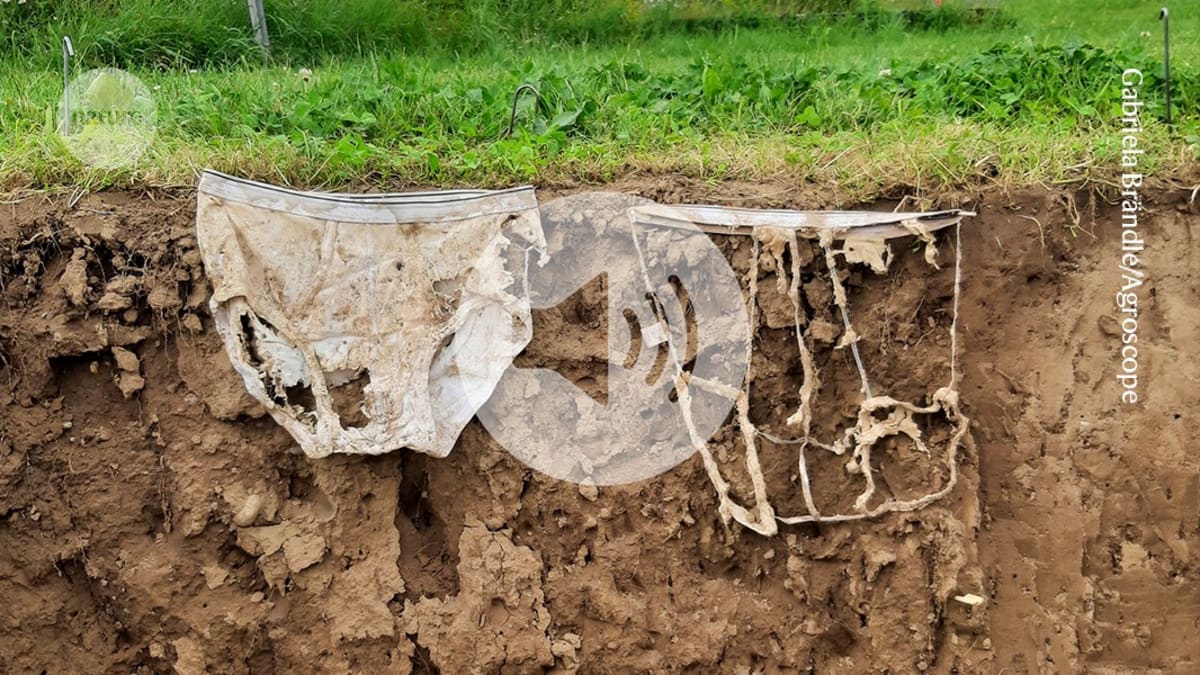
After a few months, the team dug up the underwear and examined what remained. In thriving soils rich with life, the underpants had nearly disappeared. In depleted soils, the fabric stayed mostly intact.
The Ig Nobel Prizes celebrate research that "first makes people laugh, then makes them think." This underwear experiment does both beautifully while addressing a critical agricultural challenge.
Traditional soil health tests require expensive lab equipment and specialized training. Farmers in developing regions often can't access these resources. But everyone can bury a pair of cotton briefs and check back in a few months.
The Ripple Effect
The method is already spreading to farms and research stations worldwide. Agricultural communities are using the "underwear test" to monitor soil recovery after switching to regenerative farming practices.
Scientists discovered the technique works across different climates and soil types. Desert soils, tropical farmland, and temperate forests all showed measurable differences based on how quickly the cotton decomposed.
The project also sparked conversations about soil biodiversity at a time when healthy soil matters more than ever. Rich soil doesn't just grow better crops. It stores carbon, filters water, and supports the foundation of our food systems.
Farmers now have a tool that costs a few dollars and requires zero technical expertise. They can track whether cover crops, reduced tilling, or composting actually improves their land over time.
The research team hopes their playful approach inspires more citizen science projects that make environmental monitoring accessible to everyone. Sometimes the best solutions don't come from high-tech labs but from thinking creatively about everyday materials.
Science that makes people smile while solving real problems might be the best kind of science there is.
More Images



Based on reporting by Nature News
This story was written by BrightWire based on verified news reports.
Spread the positivity!
Share this good news with someone who needs it