Scientists Choose Curiosity Over AI Convenience
Researchers worldwide are drawing a line on what they won't hand over to artificial intelligence. From cleaning data to interviewing patients, scientists say some tasks are too meaningful to automate.
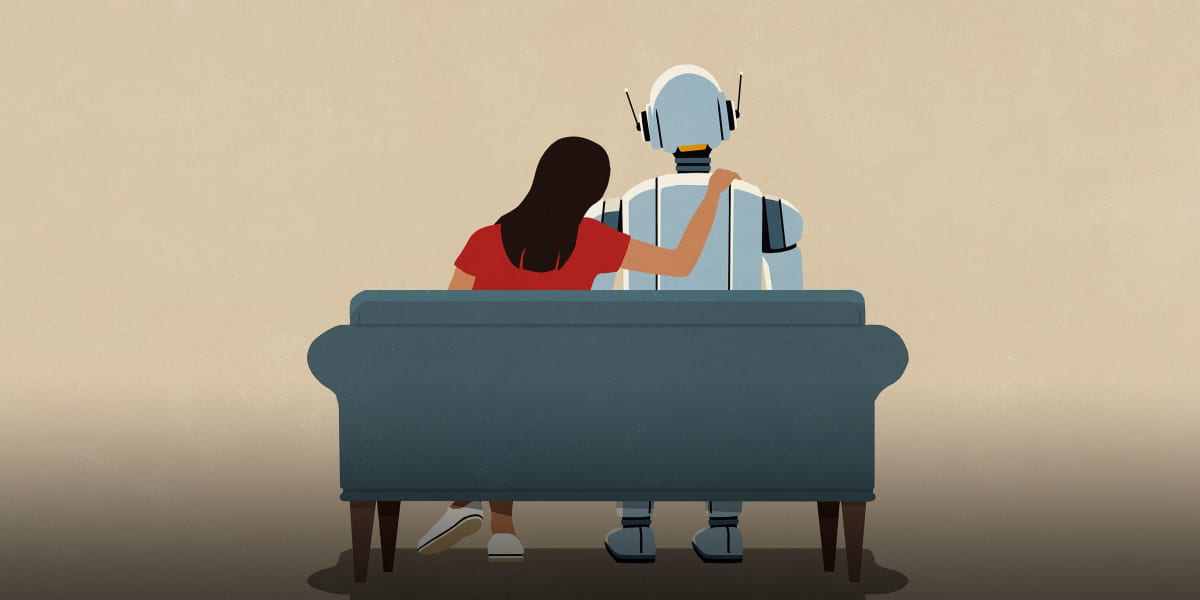
While AI tools race to automate every corner of scientific work, researchers are speaking up about what they're keeping for themselves. Their reasons reveal something unexpected: the "tedious" parts of science often spark the biggest breakthroughs.
Lucy Njoki Njuki, a biostatistician in Manchester, UK, captures this perfectly. She loves taking messy data and making it neat and presentable, calling the process "such a pleasure."
The sentiment echoes across disciplines and continents. Student researcher Müleyke Özçakmak in Istanbul says the most exciting part of studying AI and consciousness comes from noticing unexpected connections and challenging assumptions through conversations with mentors, not algorithms.
Deep-sea scientist Elva Escobar in Mexico City puts it even more directly. She can't imagine passing over her inspiration, the thrill of discovery, and the creativity required to design experiments. Personal connection to the ocean realm drives conservation work, she explains, and brings ethical responsibility.
Richard Kunz, a programmer in South Africa, still writes his own code despite envying AI's efficiency. The reason? Code written by AI takes too long to debug when something goes wrong.
Why This Inspires
These scientists are protecting something deeper than job security. Anna Hodshire in Colorado explains that writing helps her realize what aspects she still doesn't understand. Even boring emails help her work on strong communication skills.
Sheng Bao in Hong Kong emphasizes that scientific progress isn't just about finding answers efficiently. It's about exchanging perspectives, challenging assumptions, and developing ideas through conversation. Many of his best research ideas emerge from spontaneous discussions with colleagues.
Medical researcher Liao Mengchao in Beijing won't hand over primary data collection, on-site observation, or in-person interviews. These tasks demand empathy, flexible responses, and professional face-to-face communication that AI simply can't replicate when gathering authentic firsthand materials.
One doctor offers a balanced perspective. Enrique Falceto De Barros in Brazil says if AI does any task better than him, it should replace him on that task because he must put patients first. Still, he hopes AI will augment rather than replace his calling to care for others, his human touch, and his curiosity-driven research.
These researchers aren't rejecting progress. They're defining what makes science human: the messy conversations, the tedious data cleaning that reveals patterns, the face-to-face interviews that build trust, and the writing process that clarifies thinking.
More Images




Based on reporting by Nature News
This story was written by BrightWire based on verified news reports.
Spread the positivity!
Share this good news with someone who needs it