Scientists Clone Mice 58 Generations, Discover Key Limit
After 20 years and more than 30,000 cloning attempts, Japanese researchers have discovered that mammals can't be cloned indefinitely. The breakthrough reveals crucial insights about DNA preservation that could transform how we protect endangered species.
A two-decade experiment in Japan has answered one of biology's biggest questions: can we clone animals forever?
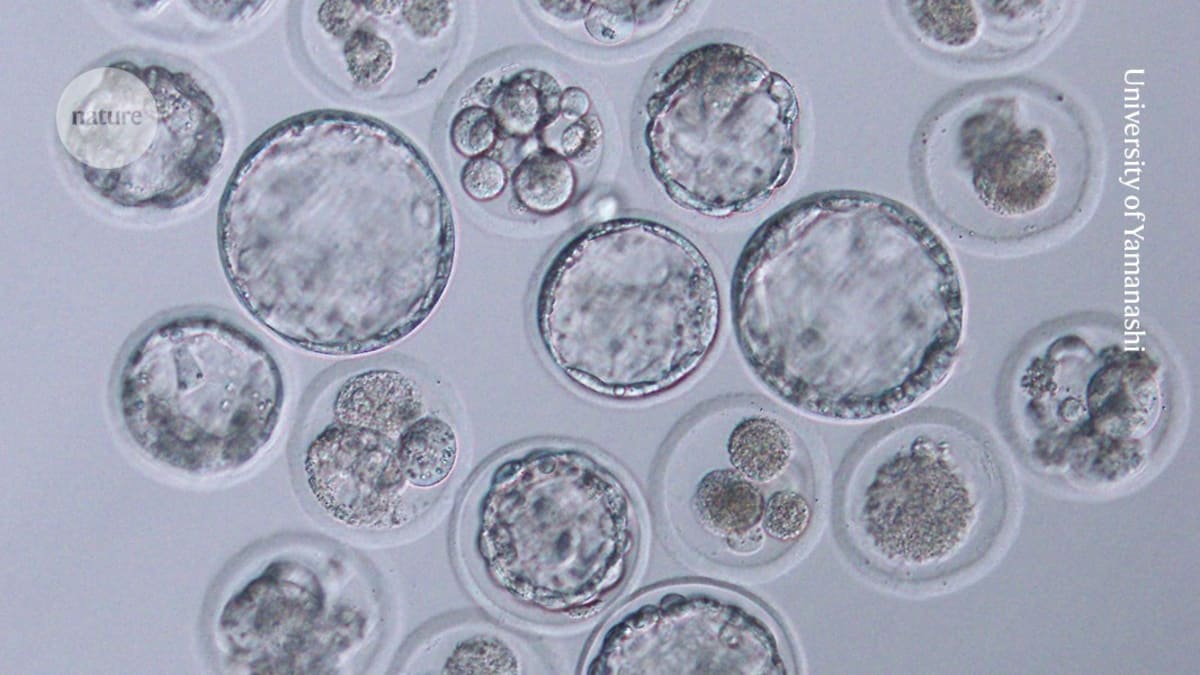
The answer is no, but the journey to get there is remarkable. Reproductive biologist Teruhiko Wakayama and his team at the University of Yamanashi spent 20 years creating 58 generations of cloned mice from a single parent. They performed over 30,000 cloning attempts to reach this milestone.
The cloned mice looked completely normal and lived full, healthy lives. But behind the scenes, their DNA was quietly accumulating mutations at an unusually high rate. By generation 58, some clones had lost entire chromosomes, and the process stopped working.
The discovery solves a puzzle that has fascinated scientists since Dolly the sheep became the first cloned mammal in 1996. When organisms reproduce asexually through cloning, mutations get locked into their DNA permanently. There's no mixing of genes from two parents to help filter out errors.
Wakayama's dedication to understanding cloning borders on extraordinary. He has successfully cloned mice from cells taken from living mice, dead mice frozen for 16 years, freeze-dried cells, and even cells found in mouse urine. He's currently working on cloning mice from cells in their feces.
The Bright Side
This research isn't about the limits of cloning. It's about understanding how to preserve life better.
The findings have major implications for conservation efforts worldwide. Scientists now know that protecting endangered species through cloning alone won't work long-term. This knowledge helps redirect resources toward more effective preservation strategies that maintain genetic diversity.
The study also offers hope for agriculture and medicine. Understanding why cloning fails helps researchers develop better techniques for preserving valuable genetic traits in livestock and creating medical treatments. Michael Lynch, an evolutionary biologist at Arizona State University, notes the discovery will fundamentally change how we think about animal breeding.
Wakayama remains optimistic about his mission to preserve genetic resources for all animals. His team has even successfully fertilized mouse embryos using freeze-dried sperm that spent nearly six years orbiting Earth on the International Space Station.
Twenty years of patient work has given us answers that will shape the future of conservation, agriculture, and our understanding of life itself.
More Images


Based on reporting by Nature News
This story was written by BrightWire based on verified news reports.
Spread the positivity!
Share this good news with someone who needs it