Scientists Clone Red Wolves to Save America's Rarest Wolf
Four red wolf pups have been successfully cloned by researchers working to rescue North America's most endangered wolf species from extinction. The breakthrough offers new hope for an animal that vanished from the wild in 1980.
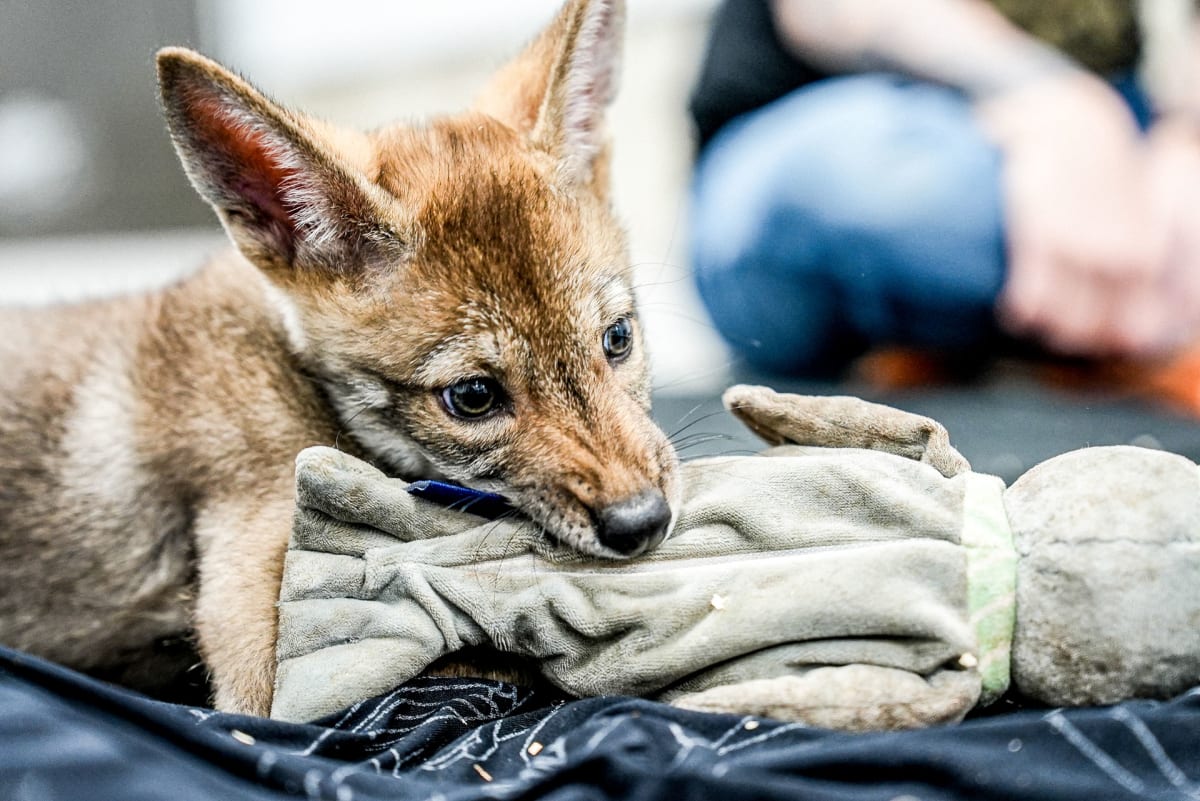
Scientists have achieved something remarkable in the fight to save one of America's rarest animals. A biotech company called Colossal Biosciences has successfully cloned four red wolf pups, marking a potential turning point for a species that nearly disappeared forever.
The red wolf once roamed freely across the eastern United States, from Texas to New York. These sleek predators, smaller than gray wolves but larger than coyotes, were built for endurance with their long legs and lean bodies. But by 1980, hunting and habitat loss had driven them to extinction in the wild.
The cloning announcement surprised even experts in the field. The Association of Zoos and Aquariums, which runs a captive breeding program for red wolves, had no idea the project was underway. Even researchers who had trapped the canids used for DNA samples didn't know clones were being created.
The timing couldn't be more critical. Red wolves remain the most endangered wolf species on Earth, with only a small captive population keeping the species alive. Traditional breeding programs have struggled to build enough genetic diversity to ensure long-term survival.
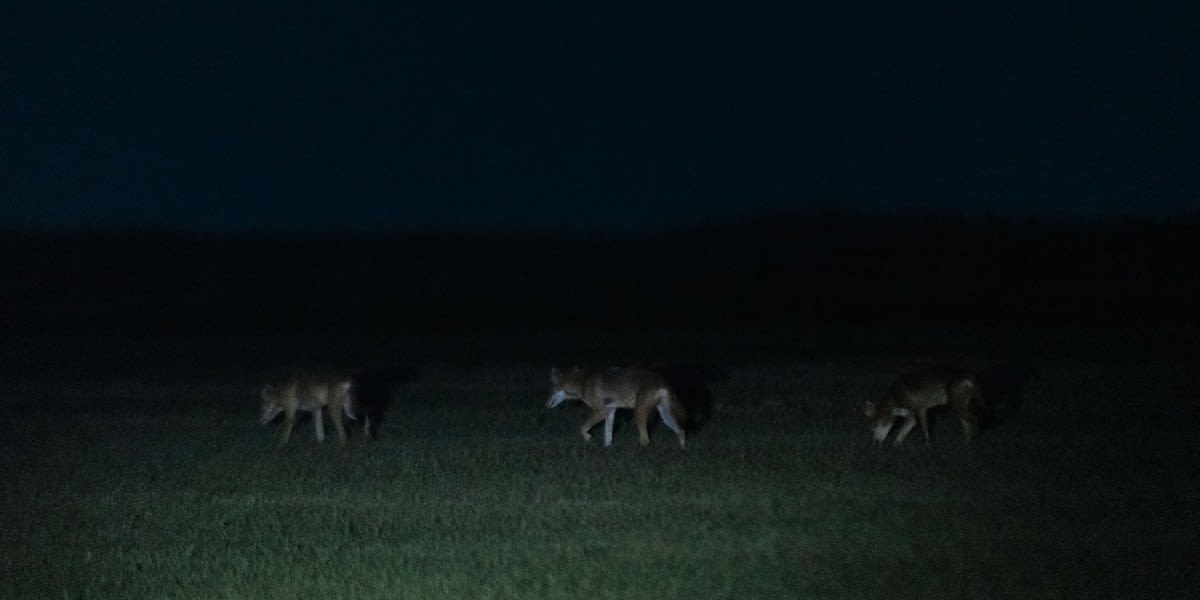
Adding urgency to the situation is the discovery of "ghost wolves" along the Gulf Coast. In 2018, scientists confirmed that some coyotes in the region carry red wolf genes, remnants of interbreeding that happened as red wolves faced extinction. These genetic echoes show that red wolf DNA still exists in the wild, waiting to be recovered.
Why This Inspires
This breakthrough represents more than just scientific achievement. It shows how modern technology can help undo some of the damage humans have caused to the natural world. The red wolf endured a 200-year war with settlers, as federal researchers once described it, and the wolf lost. Now science is giving this species a second chance.
Cloning technology could provide the genetic boost captive populations desperately need. More diverse genetics means healthier animals and better chances for eventual return to the wild. The four cloned pups represent new bloodlines that could strengthen the entire species.
The project also demonstrates growing collaboration between cutting-edge biotech and traditional conservation. While questions remain about how these clones will integrate into recovery programs, their existence proves that innovative solutions are possible for even our most endangered species.
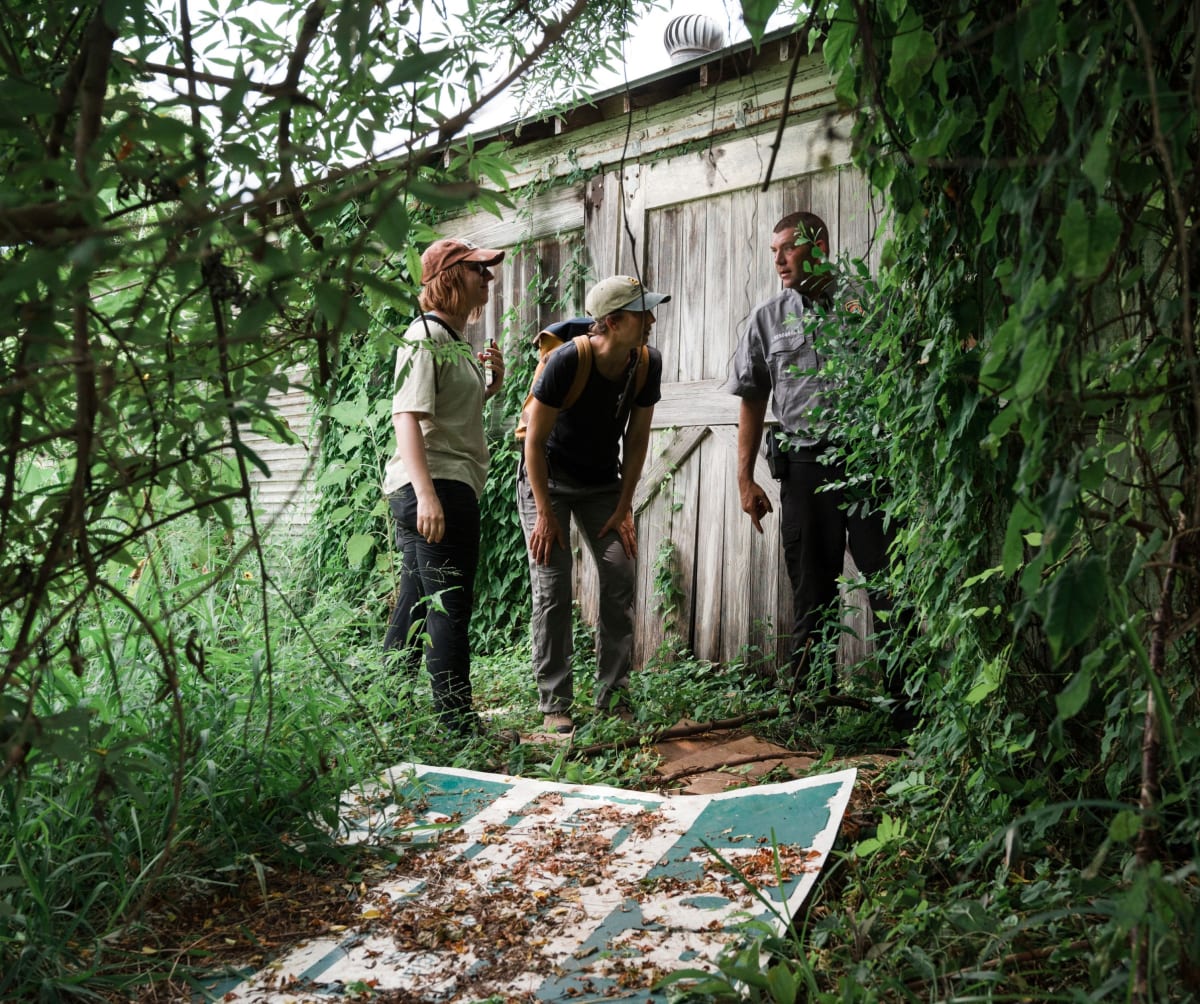
Young researchers like Tanner Broussard, who studies the ghost wolves in Louisiana, are watching closely. He grew up watching coyotes on his family's ranch, never knowing they might carry red wolf genes. Now he's part of a generation working to bring red wolves home.
The red wolf's story isn't over yet.
More Images


Based on reporting by MIT Technology Review
This story was written by BrightWire based on verified news reports.
Spread the positivity!
Share this good news with someone who needs it