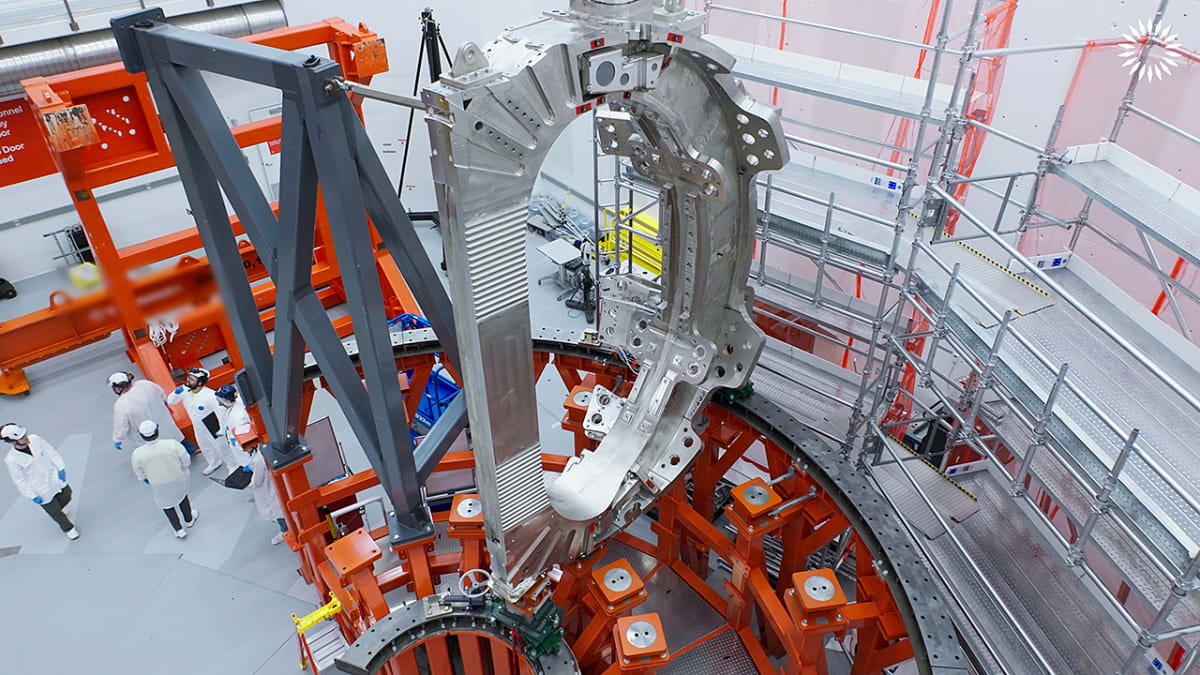
Scientists Close In on Fusion Energy by Early 2030s
After 70 years of research, nuclear fusion power is shifting from science experiment to engineering challenge. Companies like Commonwealth Fusion Systems now target viable reactors within a decade, potentially easing strain on our growing energy demands.
The sun's power could soon light up your home, and scientists say it's no longer a question of "if" but "when."
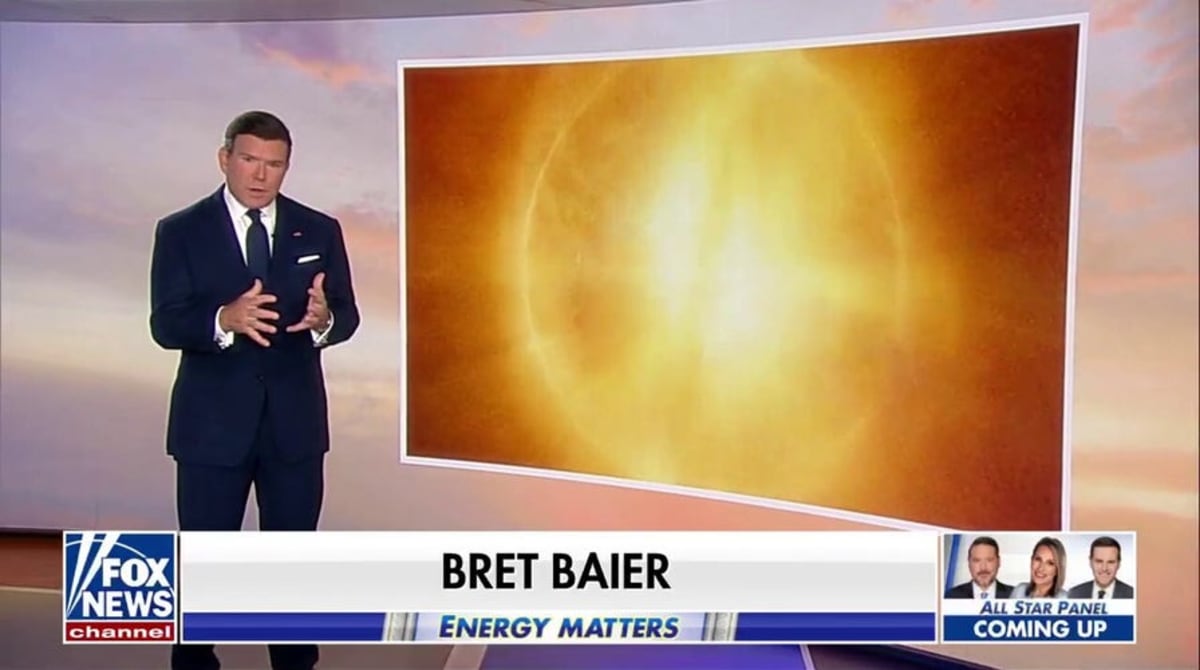
Nuclear fusion, the same reaction that powers stars, has eluded scientists for over seven decades. But Commonwealth Fusion Systems CEO Bob Mumgaard believes his team will have a working reactor by the early 2030s, marking a major shift from endless promises to concrete timelines.
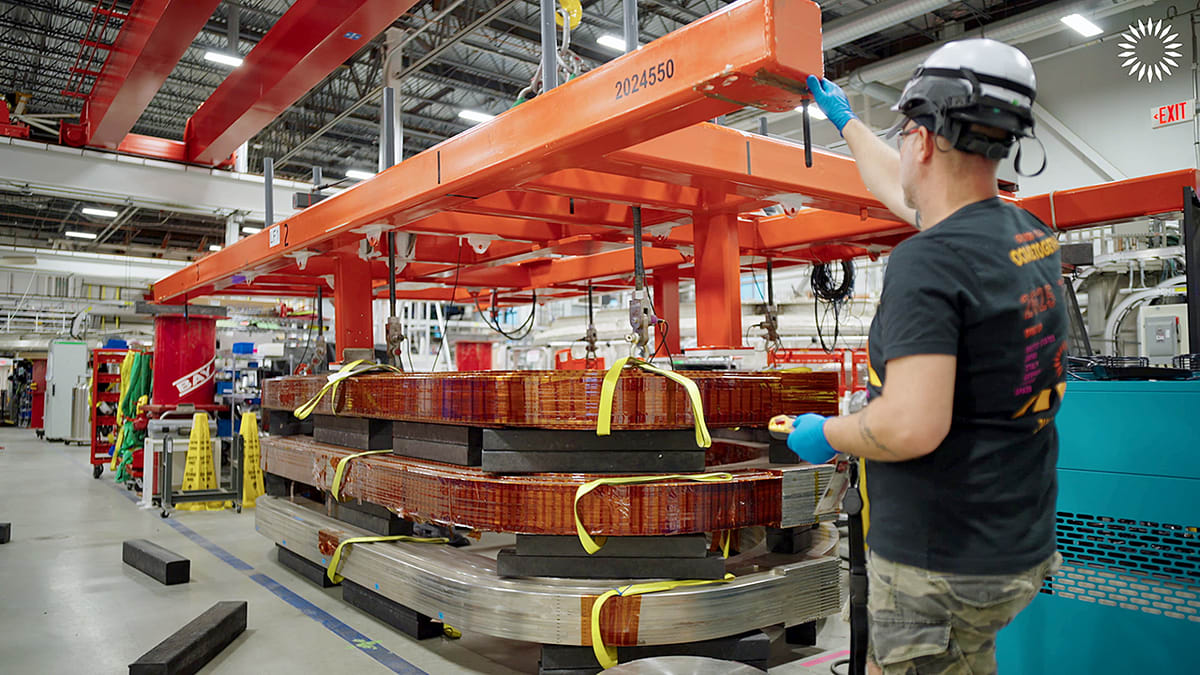
The breakthrough comes from treating fusion less like a science experiment and more like an engineering puzzle. "The scientific advance has happened," Mumgaard said. "We're now at the stage where we have confidence in that science."
The timing couldn't be better. Energy demand continues climbing, and fusion could provide a powerful new source without the carbon emissions of fossil fuels or the radioactive waste concerns of traditional nuclear power.
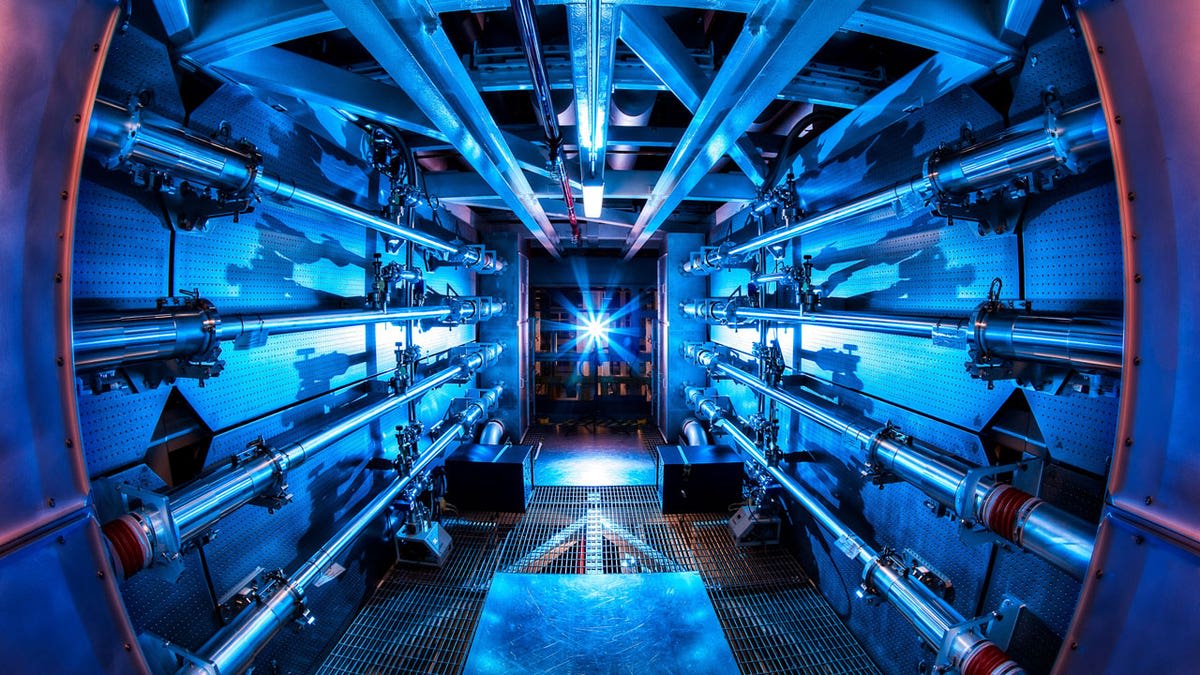
In 2022, the National Ignition Facility achieved a historic milestone by generating more energy from fusion than the experiment consumed. While the output only powered a small LED bulb for 20 hours, it proved the concept works.
The real challenge now involves building materials tough enough to handle temperatures hotter than the sun while keeping plasma stable. Current machines still consume more power than they produce, but each experiment brings valuable learning.
The Ripple Effect
Artificial intelligence is accelerating progress in unexpected ways. NVIDIA software now monitors fusion plants in real time, while Google DeepMind technology helps scientists control plasma more precisely. These tools make computer simulations run faster and help control systems react quicker.
The fusion industry raised $2.6 billion in funding over the past year, signaling serious investor confidence. Exelon CEO Calvin Butler sees fusion as part of a larger energy solution. "We need every electron on this system," he said. "If you increase the supply and the demand is there, costs will go down."
Adam Stein from the Breakthrough Institute cautions against both extreme pessimism and hype. "The biggest misconception is thinking that fusion is right around the corner, or that it's a total failure," he explained. "It's neither. It's real progress combined with real uncertainty."
Unlike past decades of unfulfilled promises, today's fusion scientists have working examples, better materials, smarter AI tools, and realistic engineering roadmaps.
The sun has powered Earth for billions of years—soon we might harness that same power ourselves.
More Images
Based on reporting by Fox News Latest Headlines (all sections)
This story was written by BrightWire based on verified news reports.
Spread the positivity!
Share this good news with someone who needs it
-1789091131617.jpg)