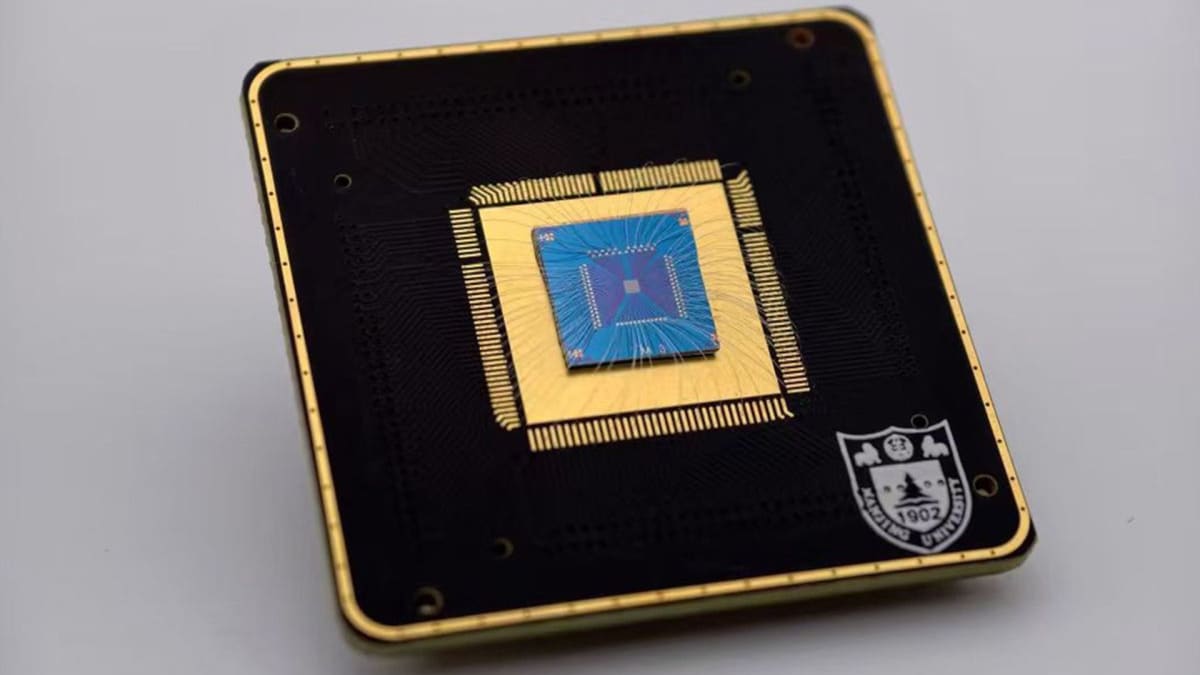
Scientists Control Metal Atoms to Speed Up Electronics
Researchers discovered a way to change how metals conduct electricity by tweaking their atomic structure at incredibly tiny scales. This breakthrough could make our phones, computers, and future devices faster while using less energy.
Scientists at the University of Minnesota just figured out how to change the way metals work by rearranging their atoms at scales smaller than a single strand of DNA.
The team found they could shift how metallic ruthenium dioxide conducts electricity by more than 1 electron volt, simply by controlling how thin the metal film is. That might sound technical, but it's like finding a dimmer switch for a material scientists thought only had an on-off button.
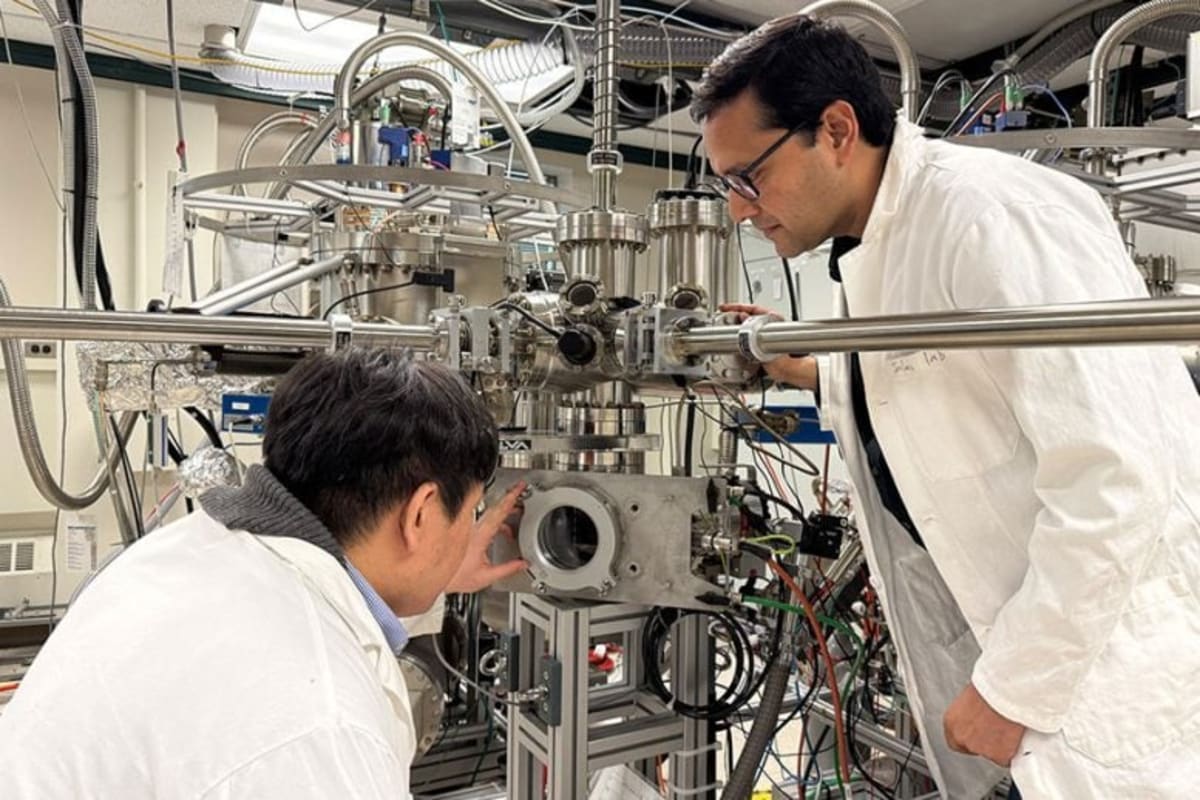
Here's what makes this special: metals don't usually behave this way. "We often think of polarization as something that belongs to insulators or ferroelectrics, not metals," said Bharat Jalan, professor in the Department of Chemical Engineering and Materials Science. His team proved that careful design at the atomic level can give scientists a whole new way to control how metals perform.
The magic happens when the metal film reaches about 4 nanometers thick, roughly the width of DNA. At that exact scale, the metal shifts from a stretched arrangement to a more relaxed structure. That tiny physical change directly affects how the metal conducts and responds to electricity.
First author Seung Gyo Jeong didn't expect such dramatic results. "We expected subtle interface effects, but not such a large and controllable change," he said. Being able to see the atomic movements and connect them to real electronic measurements made the discovery even more exciting.
The research, published in Nature Communications and funded by the U.S. Department of Energy and the Air Force Office of Scientific Research, goes beyond just understanding metals better.
The Ripple Effect
This discovery could transform how we build tomorrow's technology. Faster processors could make smartphones and computers more responsive without draining batteries as quickly. Energy efficient electronics mean lower power bills and less environmental impact from our devices.
The breakthrough also opens doors for better catalytic systems that speed up chemical reactions and more stable quantum devices that could power future computing breakthroughs. When scientists find new ways to control materials at the atomic level, entire industries can benefit.
What started as basic physics research has turned into a roadmap for building the next generation of electronics, one atom at a time.
More Images

Based on reporting by Google News - Scientists Discover
This story was written by BrightWire based on verified news reports.
Spread the positivity!
Share this good news with someone who needs it