Scientists Cool to -269°C Using Common Metals, No Rare Earths
Japanese researchers just cracked a major problem: cooling technology that reaches near absolute zero without rare metals or liquid helium. The breakthrough could make MRI machines and quantum computers more accessible worldwide.
A team of scientists in Japan just solved one of the biggest bottlenecks in medical and computing technology by creating a cooling material from everyday metals that reaches temperatures colder than outer space.
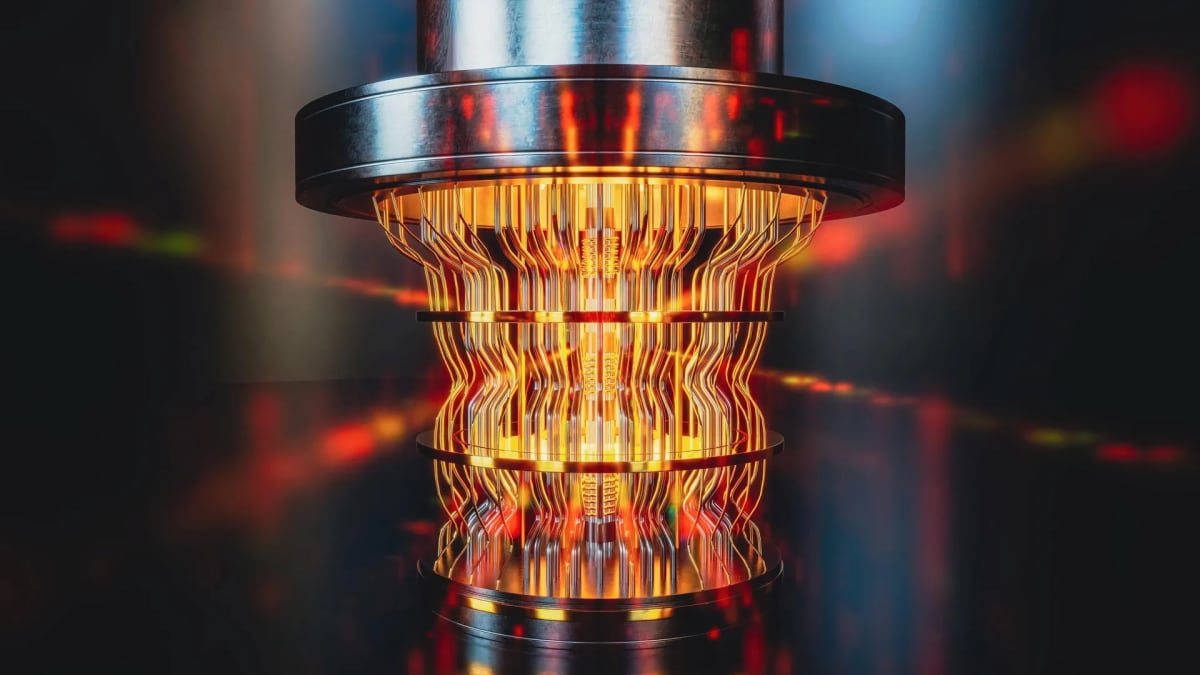
Researchers at Japan's National Institute for Materials Science developed a new cooling material using only copper, iron, and aluminum that can reach 4 Kelvin (about negative 269 degrees Celsius). That's cold enough to power MRI machines and quantum computers without depending on scarce rare-earth metals or liquid helium.
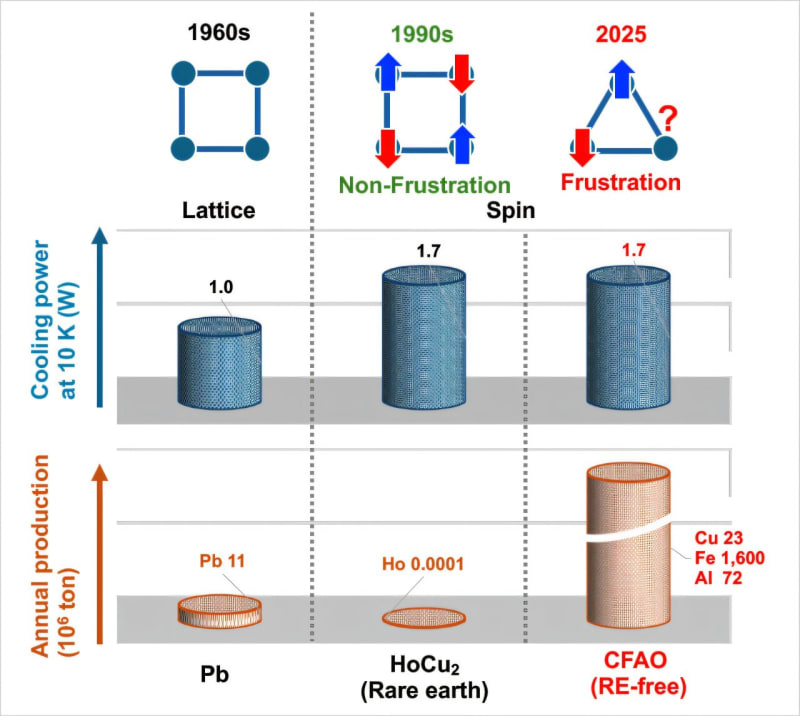
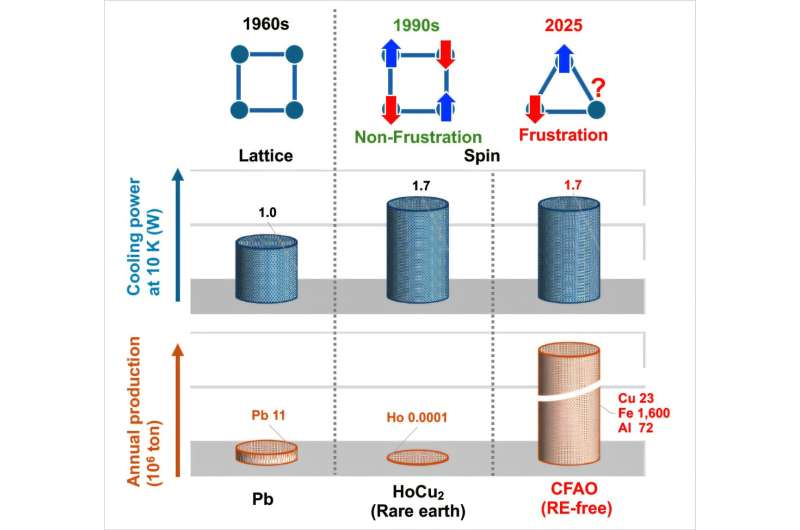
Here's why this matters: right now, the medical scanners and advanced computers that could transform healthcare and technology rely on materials like holmium, which has an annual global production of just 100 tons. As demand for quantum computing and medical imaging explodes, we're facing a serious supply crunch.
The team's clever solution uses a property called "frustration" found in certain magnetic materials. In a triangular crystal structure, the magnetic spins can't align properly until they reach extremely cold temperatures, creating the perfect cooling effect.
The new material performed just as well as current rare-earth-based coolers in tests. This marks the first time anyone has achieved practical-level cryogenic cooling performance without using scarce resources.
The Ripple Effect
This breakthrough arrives at exactly the right moment. Quantum computers, which need ultra-cold temperatures to function, are transitioning from research labs to real-world applications. More countries are investing in MRI technology to improve healthcare access.
When cooling technology depends on materials controlled by just a handful of countries, it creates vulnerable supply chains and drives up costs. Switching to abundant elements like copper and iron means more hospitals in more places could afford advanced imaging equipment.
The technology also eliminates dependence on liquid helium, another increasingly scarce resource. Helium shortages have already forced some research facilities to shut down equipment and delay medical procedures.
Scientists have been searching for alternatives to rare-earth cooling materials since the 1990s, when holmium compounds replaced lead-based systems. This new approach represents the first viable solution in over three decades.
The research team published their findings in Scientific Reports, and the technology is now ready for commercial development. Manufacturing facilities won't need to retool significantly since the materials are already widely available and familiar to industry.
From a kid getting their first MRI in a rural hospital to researchers unlocking new discoveries with quantum computers, this scientific win could touch millions of lives in the coming years.
More Images
Based on reporting by Phys.org
This story was written by BrightWire based on verified news reports.
Spread the positivity!
Share this good news with someone who needs it