Scientists Crack Code of Chronic Pain Neurons
Researchers have identified the genetic fingerprint of "sleeping" pain neurons that affect 10% of people with chronic nerve pain. This breakthrough opens the door to targeted treatments that could silence overactive pain signals without affecting normal sensation.
Scientists just solved a decades-old mystery that could change life for millions living with chronic pain.
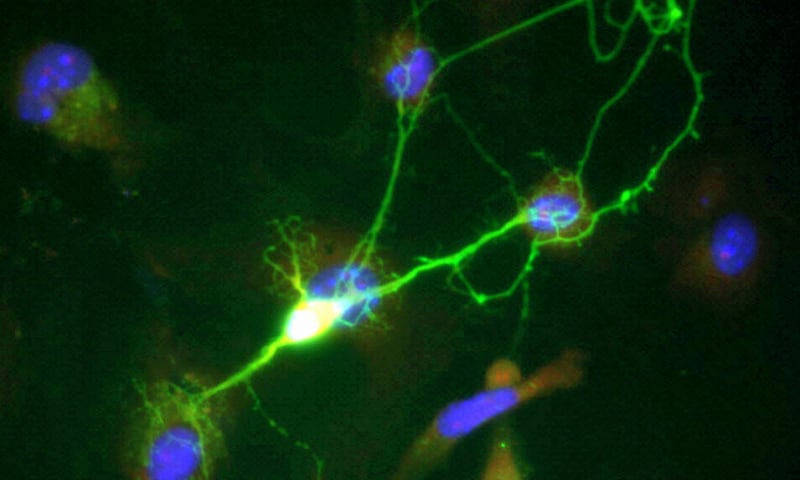
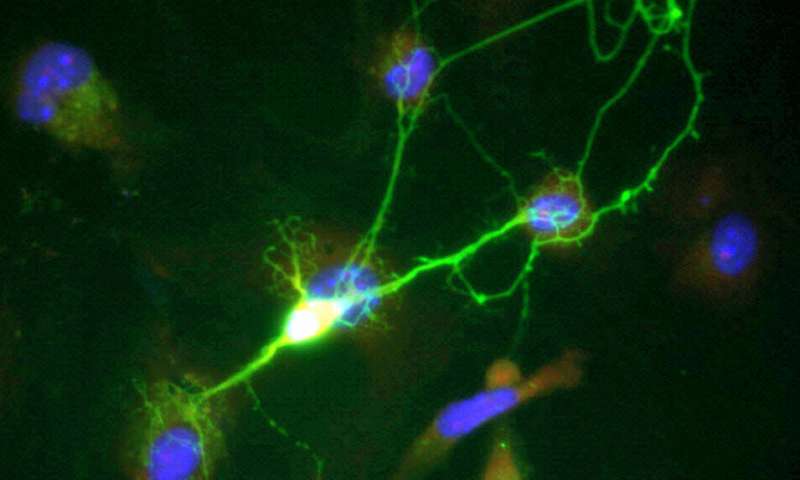
An international team has identified the exact genetic signature of sleeping nociceptors, specialized nerve cells that normally stay quiet but can malfunction and cause relentless pain. For years, researchers knew these neurons existed and how they behaved, but couldn't pinpoint which genes controlled them.
The breakthrough came when researchers from Canada's Centre for Addiction and Mental Health teamed up with scientists at Germany's Uniklinik RWTH Aachen. They combined two different ways of studying nerve cells: measuring electrical signals and reading genetic code.
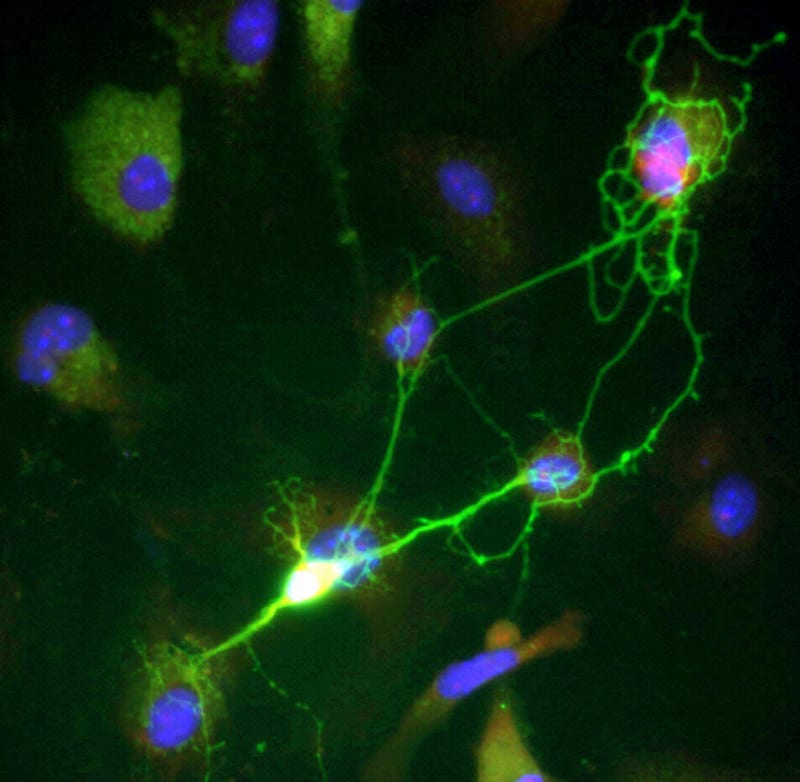
Dr. Jannis Körner used a cutting-edge technique called Patch-Seq to record individual neurons' electrical activity while simultaneously capturing their genetic information. Derek Howard then analyzed this data to create what the team calls a "Rosetta Stone" for pain research, translating between the electrical and genetic languages of nerve cells.
The team discovered that sleeping nociceptors have distinct molecular markers, including the oncostatin M receptor and specific ion channels like Nav1.9. These markers act like address labels, allowing scientists to target these pain-causing cells specifically.
Here's why that matters: approximately 10% of people worldwide live with neuropathic pain, where damaged nerves fire constantly even without injury. Current pain medications often work too broadly, dulling all sensation or causing unwanted side effects.
The researchers didn't stop at lab predictions. They tested their findings on human skin and confirmed that oncostatin M specifically activates these sleeping nociceptors, validating their molecular map in real people.
Why This Inspires
This discovery represents something rare in medical research: a clear path from mystery to solution. For decades, people with nerve pain heard "we don't fully understand your condition." Now scientists have a precise molecular target.
The collaboration itself offers hope. Teams across Germany, Canada, the UK, and the US combined their specialized expertise, proving that complex problems yield to coordinated effort. Dr. Shreejoy Tripathy calls it an "all-star team," and the results show what's possible when scientists share knowledge across borders.
Drug developers can now design medications that selectively quiet these overactive neurons without numbing healthy nerves. Imagine treating chronic pain while still feeling a loved one's touch or the warmth of sunshine.
The findings appear in the journal Cell, one of science's most prestigious publications, signaling that the medical community recognizes this work's significance. Clinical trials for targeted treatments could begin within years rather than decades.
For the 780 million people worldwide living with chronic pain, this isn't just academic progress—it's a roadmap to relief that's been invisible until now.
More Images

Based on reporting by Medical Xpress
This story was written by BrightWire based on verified news reports.
Spread the positivity!
Share this good news with someone who needs it