Scientists Crack Melanoma's Immortality Code
Researchers discovered how melanoma cells bypass aging to become deadly, uncovering a hidden genetic partnership that keeps tumors dividing indefinitely. The breakthrough reveals a potential new target for future cancer treatments. #
Scientists at the University of Pittsburgh just solved a puzzle that's stumped cancer researchers for years, and the discovery could change how we fight melanoma.
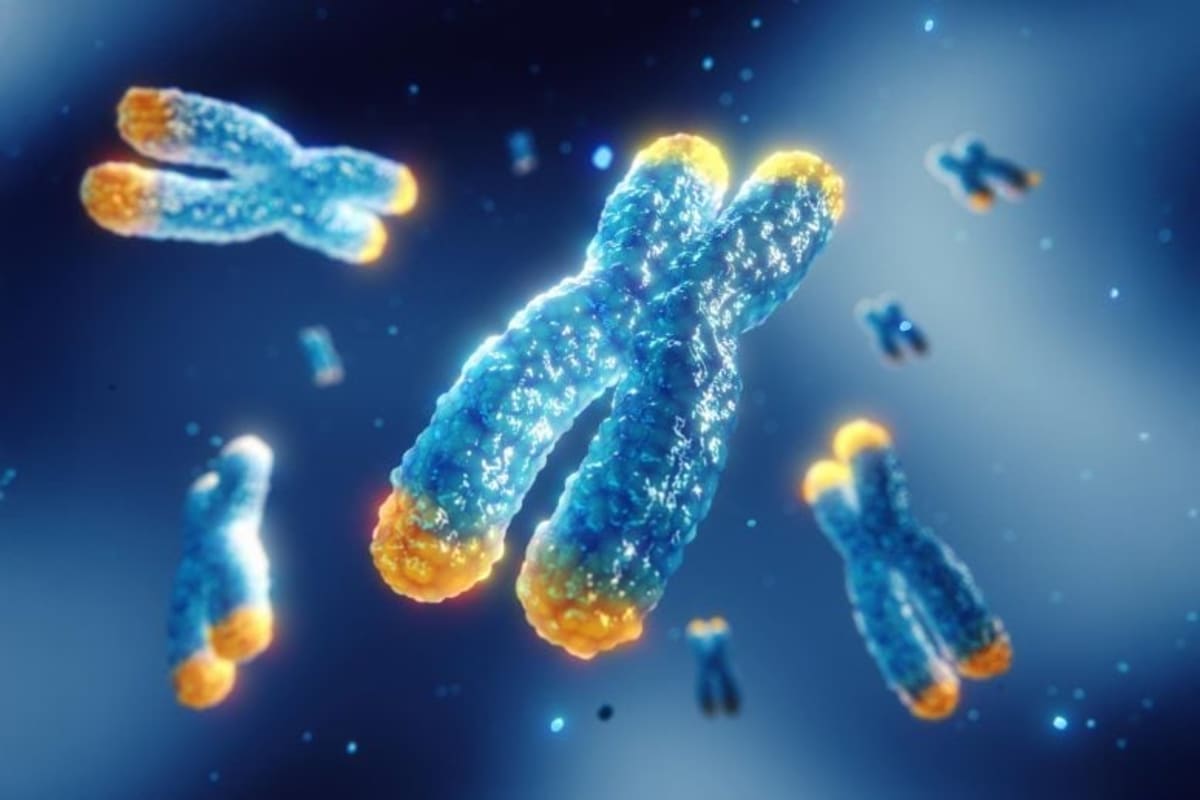
Cancer cells face a life-or-death challenge before they can become dangerous. They must figure out how to stop aging. Normal cells can only divide about 50 times before protective caps on their chromosomes, called telomeres, wear down and force the cell to retire.
Melanoma figured out a clever workaround, and scientists finally understand how.
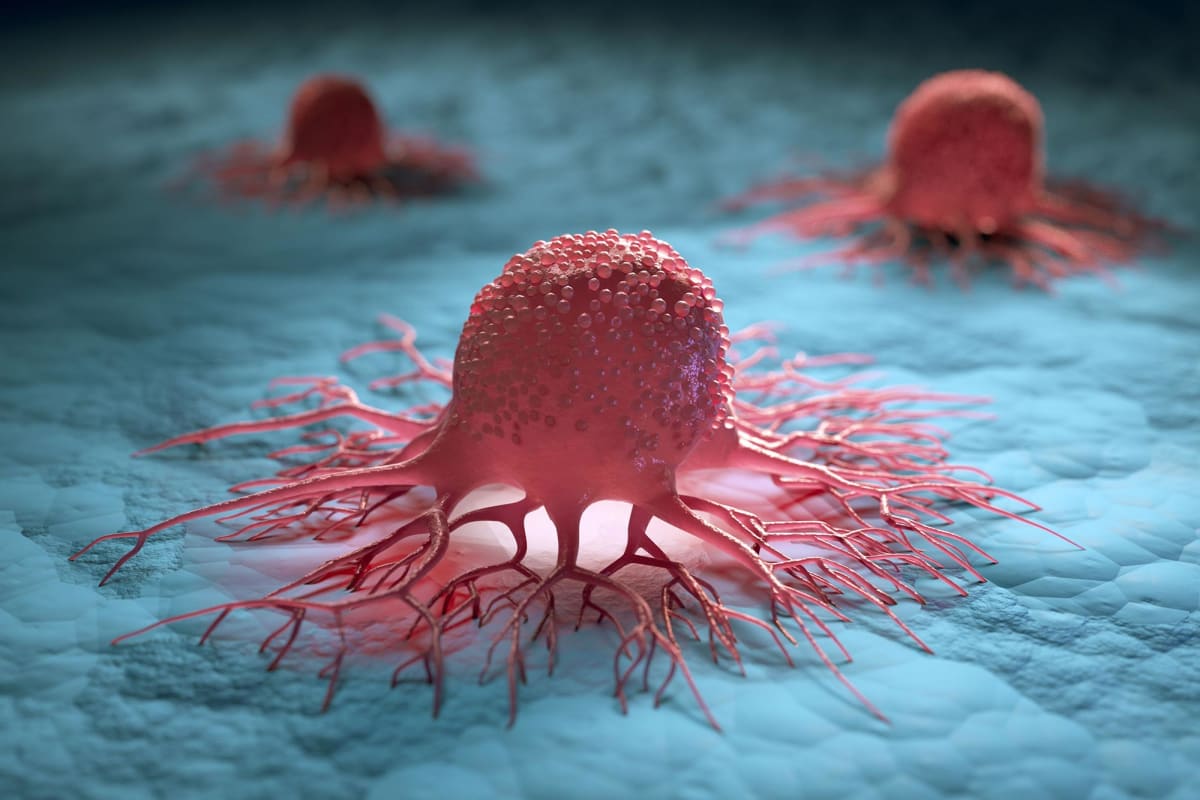
The research team discovered that melanoma uses a two-part genetic trick to stay immortal. About 75% of melanoma tumors carry mutations that boost production of telomerase, an enzyme that rebuilds those protective chromosome caps. But that mutation alone didn't fully explain why melanoma tumors had unusually long telomeres.
The missing piece was hiding in plain sight. Dr. Pattra Chun-on, a determined Ph.D. student, spotted recurring mutations in a gene called ACD that produces a protein called TPP1. This protein acts like a recruitment officer, bringing telomerase directly to chromosome tips.
Together, these two mutations work like a factory assembly line. One produces more telomerase, while the other gets better at delivering it exactly where it's needed. When researchers tested both mutations together in lab cells, telomeres lengthened dramatically, matching what they saw in actual melanoma patients.
The discovery almost didn't happen. Dr. Jonathan Alder, who led the research, initially turned Chun-on away because his lab studied short telomeres, not long ones. She kept asking until he said yes.
"Pattra would never take 'no' for an answer," Alder said. Her persistence paid off when she identified the factor scientists had been searching for.
Why This Inspires
This breakthrough represents more than scientific detective work. Understanding exactly how melanoma cells achieve immortality reveals potential weaknesses that future treatments could exploit. Instead of just attacking cancer cells broadly, doctors might one day target this specific genetic partnership.
The research also shows how curiosity and determination drive medical progress. Chun-on connected decade-old biochemistry findings to what's actually happening in patients, bridging the gap between test tube discoveries and real-world medicine.
Melanoma develops in skin cells constantly exposed to sun damage, which may explain why these cancers depend so heavily on maintaining their telomeres. Every time UV radiation damages DNA, cells divide to replace the injured ones, wearing down telomeres faster.
The findings, published in Science, open new doors for researchers worldwide who are working to stop cancer's most dangerous ability: endless growth.
What started with one persistent student's question has revealed a fundamental truth about how melanoma survives, bringing us one step closer to treatments that could save lives.
#
More Images


Based on reporting by Google News - Scientists Discover
This story was written by BrightWire based on verified news reports.
Spread the positivity!
Share this good news with someone who needs it