
Scientists Crack Mystery of Bat Disease Killing Millions
Researchers finally understand why a fungal disease has killed millions of North American bats while barely affecting European species. The discovery could save entire bat populations and billions in crop losses.
After 20 years of devastating bat deaths across North America, scientists at the University of Waterloo have finally solved the puzzle of white-nose syndrome.
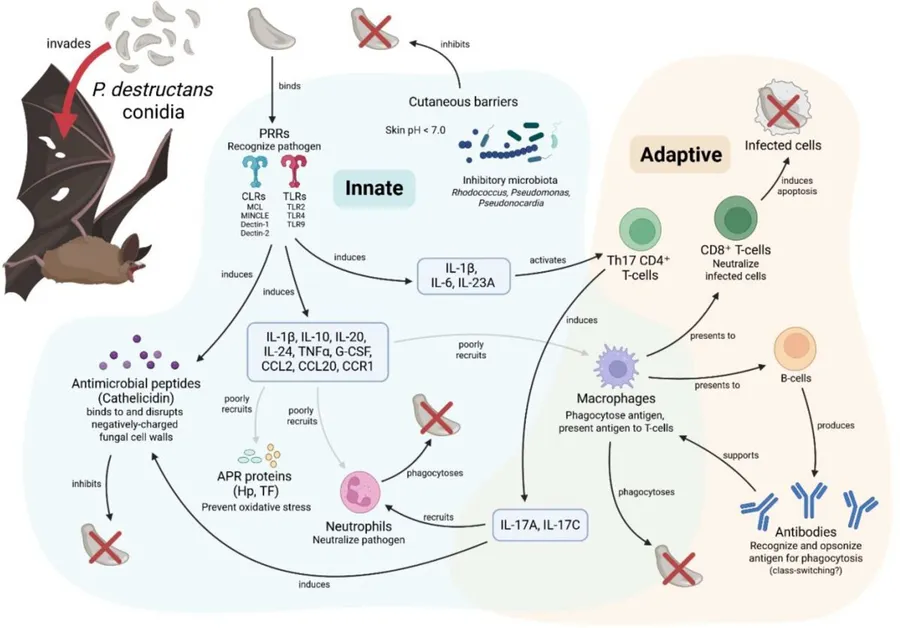
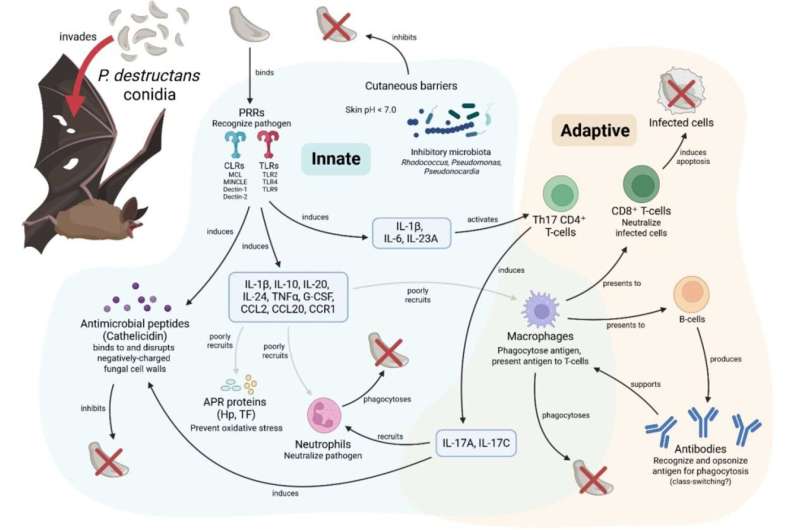
The fungal disease has killed millions of bats and wiped out more than 95% of some species since arriving from Europe two decades ago. But here's the breakthrough: researchers now understand that North American bats aren't dying because their immune systems are too weak. They're dying because their immune systems respond in exactly the wrong way.
Instead of fighting off the fungus, infected bats trigger an inflammatory response that damages their own tissue without clearing the infection. European bats, which evolved alongside the fungus for thousands of years, have learned to respond differently and survive.
The discovery came when undergraduate student Maya Jacewicz worked with her team to piece together fragmented research from multiple disciplines. They assembled studies on everything from bat skin bacteria to vaccine trials, revealing critical gaps in our understanding.
"Bringing this information together felt like assembling the pieces of a puzzle that may finally reveal the biological reasons behind the devastating impacts of this disease," Jacewicz said.
The stakes couldn't be higher. These insectivorous bats provide natural pest control worth billions to farmers. Between 2006 and 2017, crop destruction from declining bat populations cost the U.S. agricultural sector $26.9 billion, equivalent to $35 billion today.
The fungus disrupts bat hibernation, causing them to wake repeatedly during winter and die from starvation or dehydration. Some experimental studies show that bats activating a different immune pathway have stronger survival outcomes, suggesting the type of immune response matters more than its strength.
The Ripple Effect
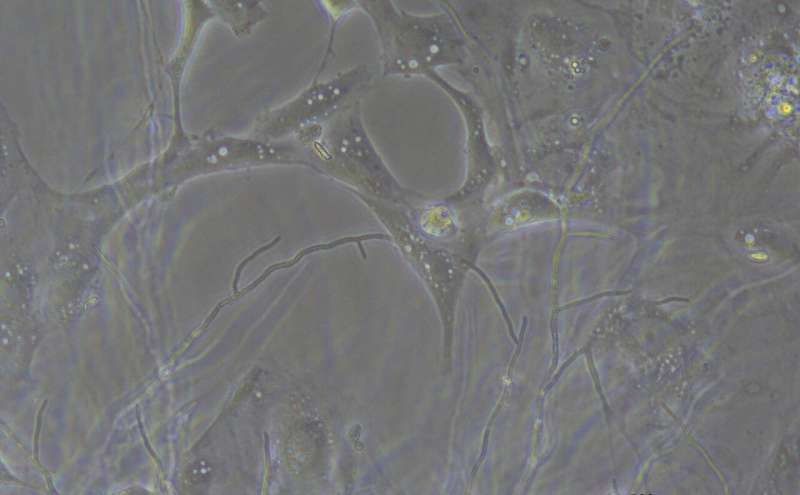
Understanding why some bats survive could protect entire ecosystems. The research team plans to compare immune responses across multiple bat species, working with bat cells in culture to identify the genes that help clear fungal infections.
Their goal is developing effective strategies to slow the disease's spread before a second, equally disastrous fungal strain from Europe reaches North America. By identifying what makes European bats and certain Canadian species more resistant, scientists hope to develop conservation strategies that could save vulnerable populations.
The research, published in Frontiers in Immunology, represents the first comprehensive understanding of what's happening inside infected bats at the biological level.
With this knowledge, protecting North America's bat populations from complete collapse finally moves from impossible to achievable.
More Images
Based on reporting by Phys.org
This story was written by BrightWire based on verified news reports.
Play Today’s BrightWire Positive Mini Crossword & Word Game
Keep your mind sharp with our free 5-minute uplifting daily crossword and positivity word puzzle.
Spread the positivity!
Share this good news with someone who needs it


