Scientists Crack Organ Freezing Problem for Transplants
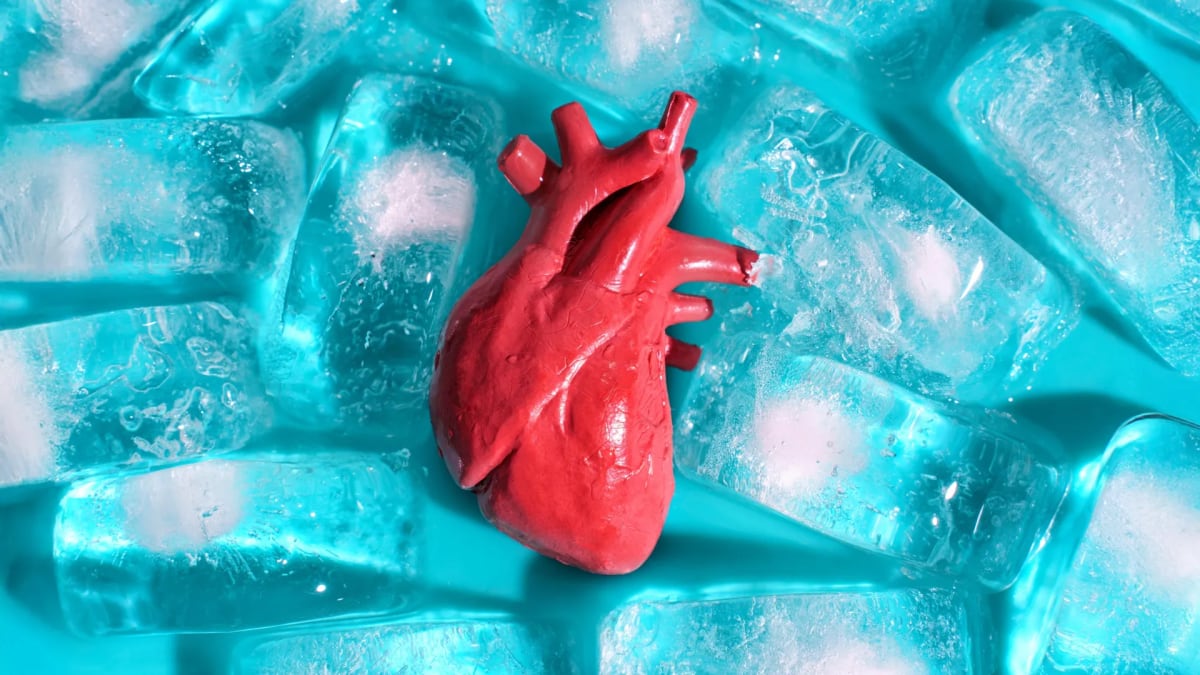
Texas researchers discovered how to prevent organs from breaking during ultra-cold preservation, bringing us closer to banking organs for future transplants. The breakthrough could save thousands of lives waiting for donor matches.
Imagine a world where surgeons could reach into a freezer and pull out a perfectly preserved kidney, ready for transplant whenever a patient needs it.
Scientists at Texas A&M University just brought that vision closer to reality. Their team discovered how to stop organs from cracking during the freezing process, solving one of the biggest puzzles in cryopreservation.
The breakthrough builds on exciting progress from 2023, when University of Minnesota researchers successfully transplanted a frozen kidney into a rat. That milestone proved the concept works, but larger organs kept fracturing during preservation, making them unusable for human transplants.
Dr. Matthew Powell-Palm and his mechanical engineering team found the answer by adjusting something called the glass transition temperature. When organs freeze in special preservation solutions, they enter a glass-like state that keeps cells suspended without forming damaging ice crystals.
The researchers tested different solution mixtures and discovered that higher glass transition temperatures dramatically reduce cracking. It sounds simple, but this insight gives scientists a clear roadmap for designing better preservation methods.
"Cracking is only one part of the problem," Powell-Palm explained. "The solutions need to be biocompatible with the tissue as well." His team is now working on formulas that both protect organs from fractures and keep cells healthy during the freezing process.
The Ripple Effect
This research reaches far beyond transplant waiting lists. Better cryopreservation could help scientists preserve endangered species' genetic material, protecting biodiversity as habitats shrink. Vaccine storage in remote areas would become easier and more reliable.
Food waste might drop significantly too. The same techniques that preserve human organs could extend the life of perishable foods, helping feed more people while reducing environmental impact.
The research team includes graduate students Crystal Alvarez and Ron Sellers, plus undergraduate Gabriel Arismendi Sanchez. They combined expertise from physical chemistry, glass physics, and cryobiology to crack this problem.
The National Science Foundation funded the work through its Engineering Research Center for Advanced Technologies for the Preservation of Biological Systems. That investment supports cutting-edge research turning science fiction into medical reality.
Department Head Dr. Guillermo Aguilar sees this as just the beginning. "I look forward to more encouraging results in this direction, which will ultimately yield an increased viability of biological systems of all scales, from single cells to whole organs," he said.
Right now, over 100,000 Americans wait for organ transplants, and many die before a matching donor appears. On-demand organ banking could transform that desperate race against time into a manageable medical procedure.
Based on reporting by Google News - Scientists Discover
This story was written by BrightWire based on verified news reports.
Spread the positivity!
Share this good news with someone who needs it