Scientists Crack Sea Star Disease, Saving Pacific Species
After a mysterious disease killed 90% of Pacific sea stars in four years, marine scientists finally identified the culprit and developed a treatment that saves 95% of infected animals. The breakthrough could restore vital ocean ecosystems from Alaska to Mexico.
When sea stars at the Seaside Aquarium started disintegrating in 2013, staff thought the animals were simply aging. Within months, they lost 80% of their collection to a mysterious epidemic sweeping the Pacific Coast.
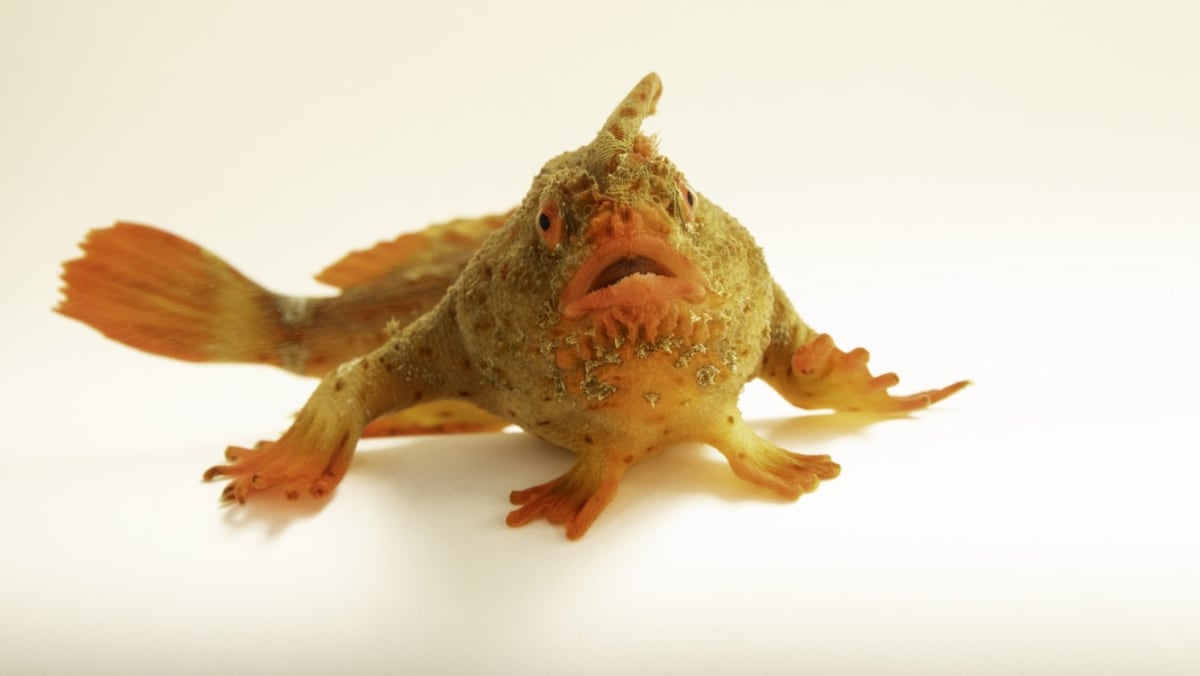
The wasting disease hit sunflower sea stars hardest. These colorful giants, some stretching four feet across, turned into "gelatinous globs" and died within 48 to 72 hours.
Tiffany Boothe, the aquarium's assistant manager, watched helplessly as animals they'd cared for over a decade vanished. The epidemic eventually killed 90% of sunflower sea stars from Alaska to Baja California in just four years.
But in August 2025, marine scientists from the University of British Columbia, University of Washington, and the Hakai Institute announced a breakthrough. They identified the culprit: a strain of Vibrio pectenicida bacteria.
"Now that we've identified the disease-causing agent, we can start looking at how to mitigate the impacts," said lead researcher Melanie Prentice. The discovery marked the end of a decade-long mystery surrounding what scientists call the largest marine epidemic ever recorded.
Meanwhile, aquarist Tiffany Rudek at the Oregon Coast Aquarium was developing her own solution. When standard antibiotics failed, she spent two years creating a probiotic treatment that mimics pristine ocean conditions.
Her protocol combines cold water, balanced chemistry, beneficial bacteria, and iodine dips to attack the disease from multiple angles. The results stunned her colleagues.
Of 169 sea stars treated with Rudek's method, only nine died. That's a 95% survival rate for a disease that typically kills 90% of infected animals.
Three of the survivors were sunflower sea stars, including a 30-year-old giant. Rudek shared her treatment protocol with aquariums and research facilities across the country.
The Ripple Effect
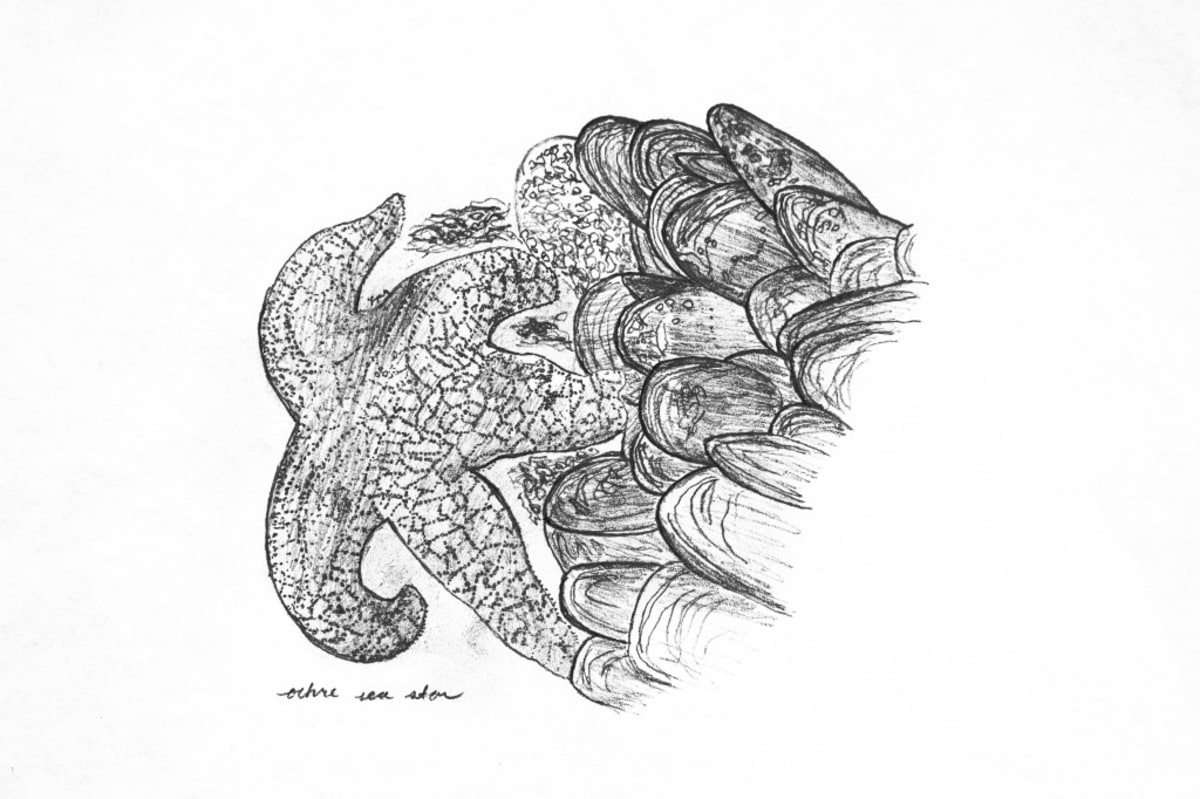
The sea star comeback matters far beyond aquarium tanks. These invertebrates play crucial roles in maintaining healthy ocean ecosystems, controlling populations of mussels and other species that would otherwise dominate coastal waters.
The combination of identifying the bacteria and developing effective treatments gives marine biologists powerful new tools. Facilities can now protect their collections while researchers work on larger conservation strategies for wild populations.
After years of watching helpless as billions of sea stars vanished, scientists and aquarists finally have reasons for hope.
Based on reporting by Google: scientific discovery
This story was written by BrightWire based on verified news reports.
Spread the positivity!
Share this good news with someone who needs it