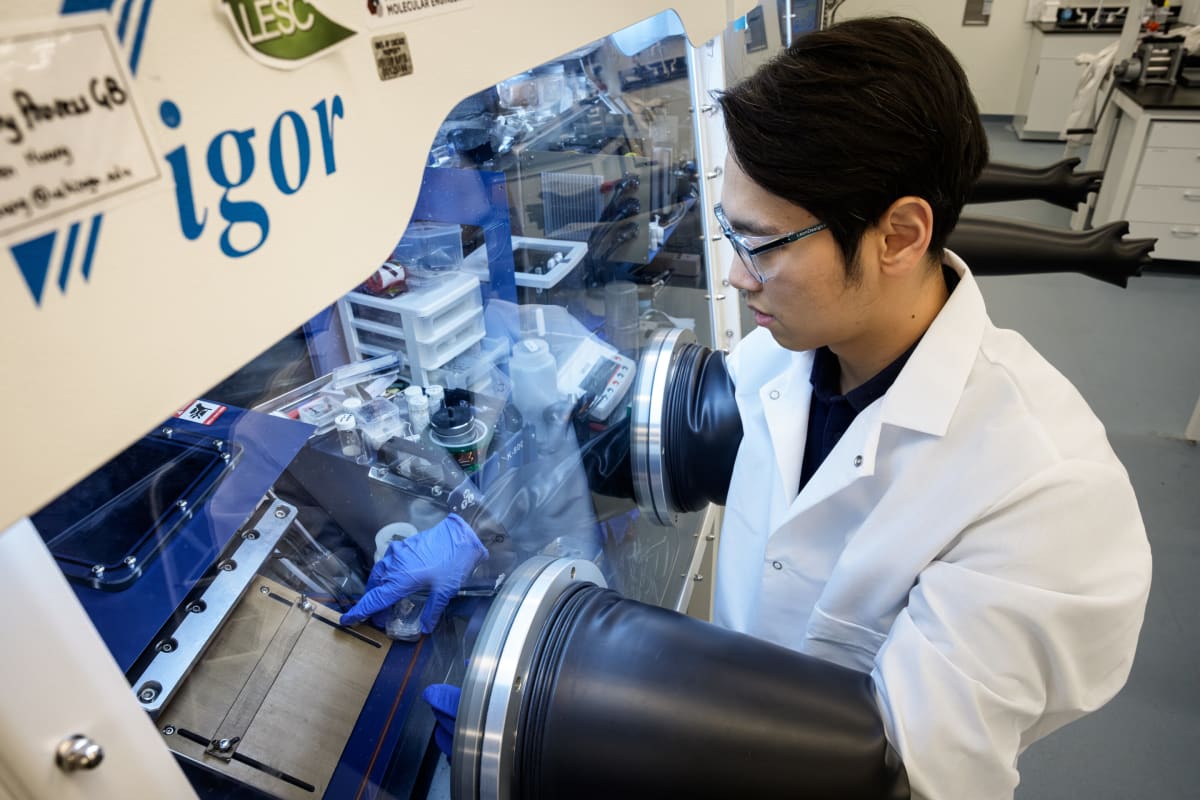
Scientists Crack Sulfur Code for Cheaper EV Batteries
Researchers have unlocked a way to make electric vehicle batteries cheaper and safer using sulfur, one of Earth's most abundant materials. A simple change in how battery materials are mixed together achieved near-perfect performance.
Electric vehicles are about to get more affordable thanks to a breakthrough that makes sulfur work in next-generation batteries.
A team from the University of Chicago and UC San Diego, working with battery maker LG Energy Solution, figured out how to tap into sulfur's incredible potential as a battery material. The secret wasn't adding anything new—it was simply grinding the ingredients together differently.
"Pricewise, sulfur is the ultimate inexpensive material that you want to put in the battery," said researcher Chen-Jui (Ben) Huang. The challenge was that sulfur doesn't conduct electricity well, making it hard to use in batteries despite being abundant and cheap.
The breakthrough came from a surprisingly simple idea. Instead of grinding battery materials separately and mixing them later, the team ground everything together in one step. This created better contact between particles and achieved a discharge capacity of about 1,500 milliampere-hours per gram—incredibly close to sulfur's theoretical maximum of 1,675.
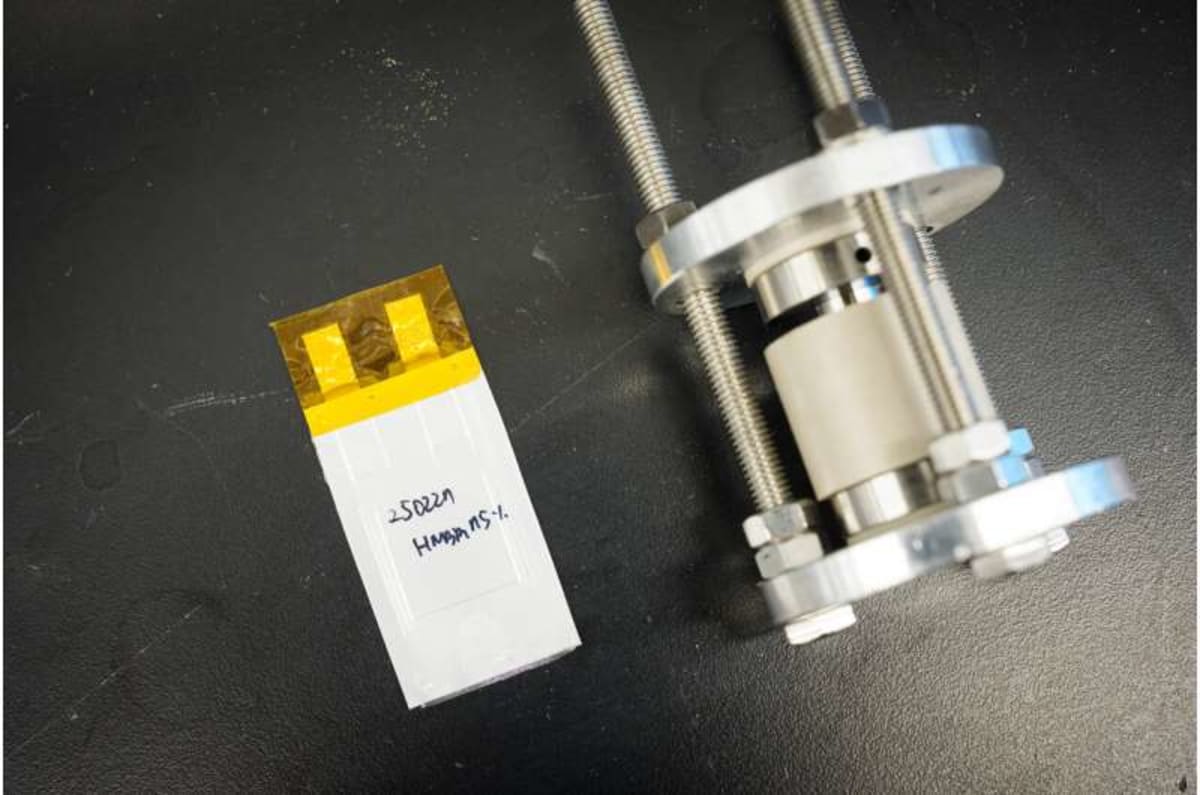
Even better, the team proved this works in real pouch cells, the kind actually used in electric vehicles. That means this isn't just a lab experiment—it's something manufacturers can scale up for mass production.
The new batteries are also safer than current lithium-ion models. They use solid materials throughout, with no flammable liquids that could catch fire in a crash. "Everything is dry, not a single drop of liquid," Huang explained.
Global demand for lithium-ion batteries is expected to more than double by 2030, driven by electric vehicles and aviation. Finding cheaper, safer alternatives isn't just nice to have—it's essential for meeting climate goals.
The Ripple Effect
Professor Shirley Meng, who led the research, emphasized that breakthroughs mean nothing if they stay in laboratories. "High-performing batteries help no one sitting in labs," she said. "To hit our energy and climate goals, we need them out working in the real world."
The partnership between universities and industry shows exactly how that happens. LG Energy Solution's involvement means this technology has a clear path from research lab to factory floor to your next electric vehicle.
The research builds on earlier work combining solid-state batteries' safety with sulfur's high capacity and low cost. Each step brings the technology closer to showrooms and driveways.
Making electric vehicles more affordable opens the door for millions more people to make the switch from gas-powered cars, accelerating the transition to cleaner transportation and helping tackle climate change one battery at a time.
More Images

Based on reporting by Phys.org - Technology
This story was written by BrightWire based on verified news reports.
Spread the positivity!
Share this good news with someone who needs it