Scientists Crack Why Eczema Itches, New Drug Brings Relief
Researchers have finally figured out exactly why atopic dermatitis causes unbearable itching—and a new drug is already helping patients sleep through the night. This breakthrough could transform treatment for millions suffering from the chronic skin condition.
For anyone who's battled eczema, the relentless itching can feel like torture. Now scientists at Wroclaw Medical University have discovered the exact mechanism driving that maddening urge to scratch.
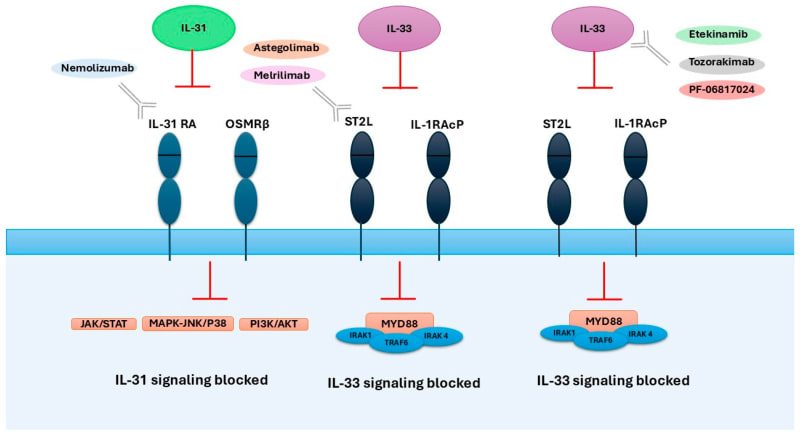
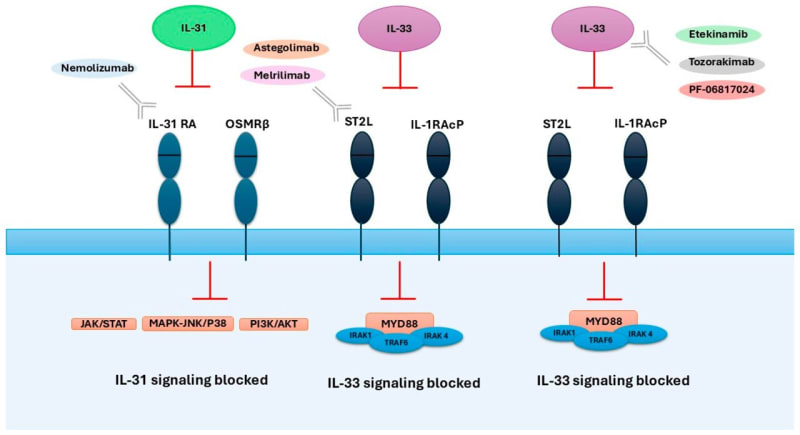
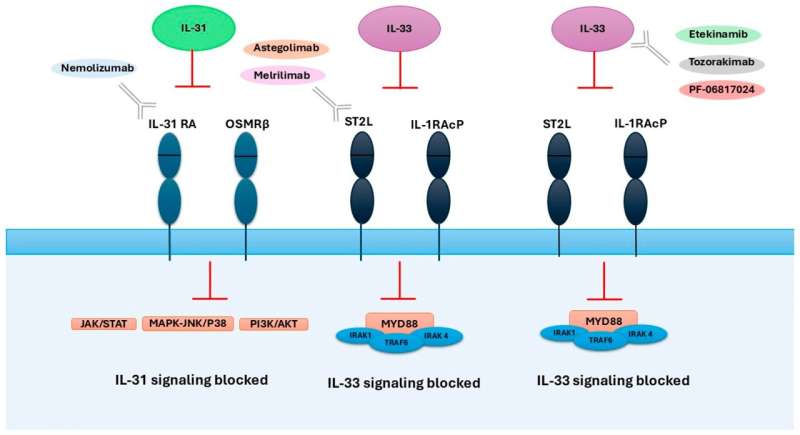
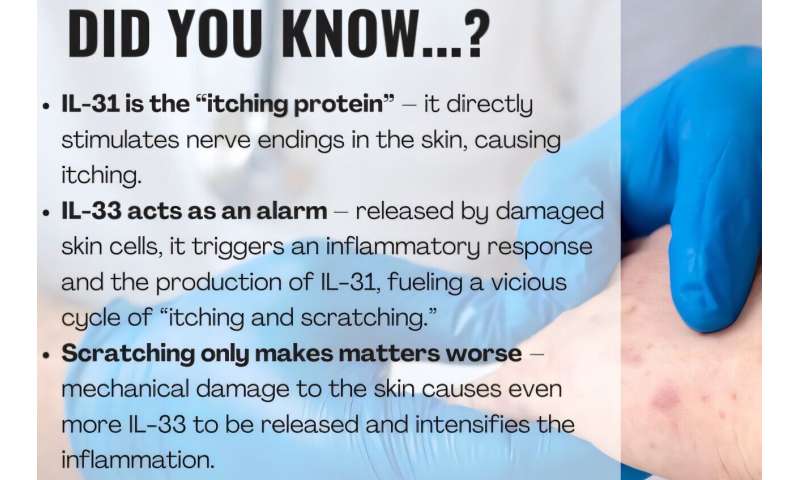
The culprit is a communication loop between two proteins called IL-33 and IL-31. When skin becomes damaged or irritated, cells release IL-33 as an alarm signal to the immune system. This triggers inflammation and the production of IL-31, which directly stimulates nerves in the skin, causing intense itching.
Here's where the vicious cycle begins. Scratching damages the skin further, causing more IL-33 to be released, which leads to more IL-31, which causes more itching. Scientists call this the "itch and scratch" cycle, and it's been tormenting patients for years while researchers struggled to understand exactly how it worked.
"We have long observed that in atopic dermatitis, the immune and nervous systems stimulate each other, but only now can we better understand exactly how this works," says Dr. Krzysztof Gomułka, assistant professor at Wroclaw Medical University. "The IL-31/IL-33 axis is like a line of communication between skin cells, nerves, and the immune system that drives both inflammation and itching."
The discovery is already bearing fruit. A biological drug called nemolizumab, which blocks IL-31 signaling, has shown remarkable results in clinical trials. Patients reported significantly reduced itching after just a few days of treatment, and many finally experienced improved sleep quality after years of nighttime scratching.
Why This Inspires
This breakthrough represents more than just understanding a skin condition. It's a reminder that persistent scientific curiosity can solve mysteries that have plagued humanity for generations.
The research team, which includes medical students from the Student Scientific Association, published their findings in the International Journal of Molecular Sciences. Their work is paving the way for personalized treatment approaches, since not every eczema patient experiences the disease the same way.
Some patients struggle more with itching, while others battle primarily with inflammation. Future treatments could be tailored to each person's specific symptoms and immune response patterns.
"In the future, we want to be able to distinguish between these and treat them more specifically," Dr. Gomułka explains. This means no more one-size-fits-all approaches that leave some patients still suffering.
For the estimated 16.5 million adults and 9.6 million children in the United States living with atopic dermatitis, this research offers genuine hope—not just for symptom relief, but for treatments that interrupt the itch cycle at its source.
More Images

Based on reporting by Google News - Scientists Discover
This story was written by BrightWire based on verified news reports.
Spread the positivity!
Share this good news with someone who needs it