Scientists Create 3D Vaquita Skeleton to Save Rarest Porpoise
Researchers just gave the world's most endangered marine mammal a fighting chance. With only six to 10 vaquitas left alive, a team created the first ever 3D skeleton model to help save the tiny "panda of the sea." ##
A skeleton that's been sitting in a museum since 1966 just became the most important tool for saving a species on the brink of disappearing forever.
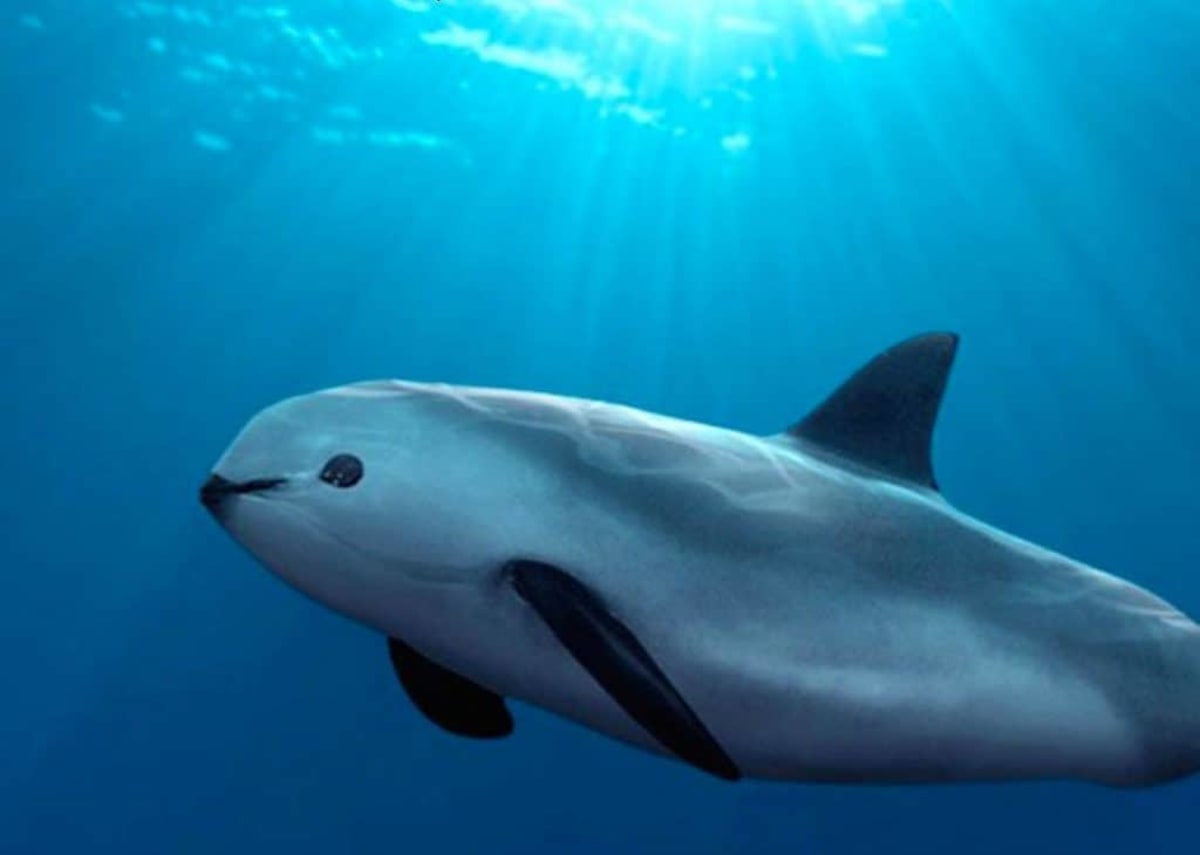
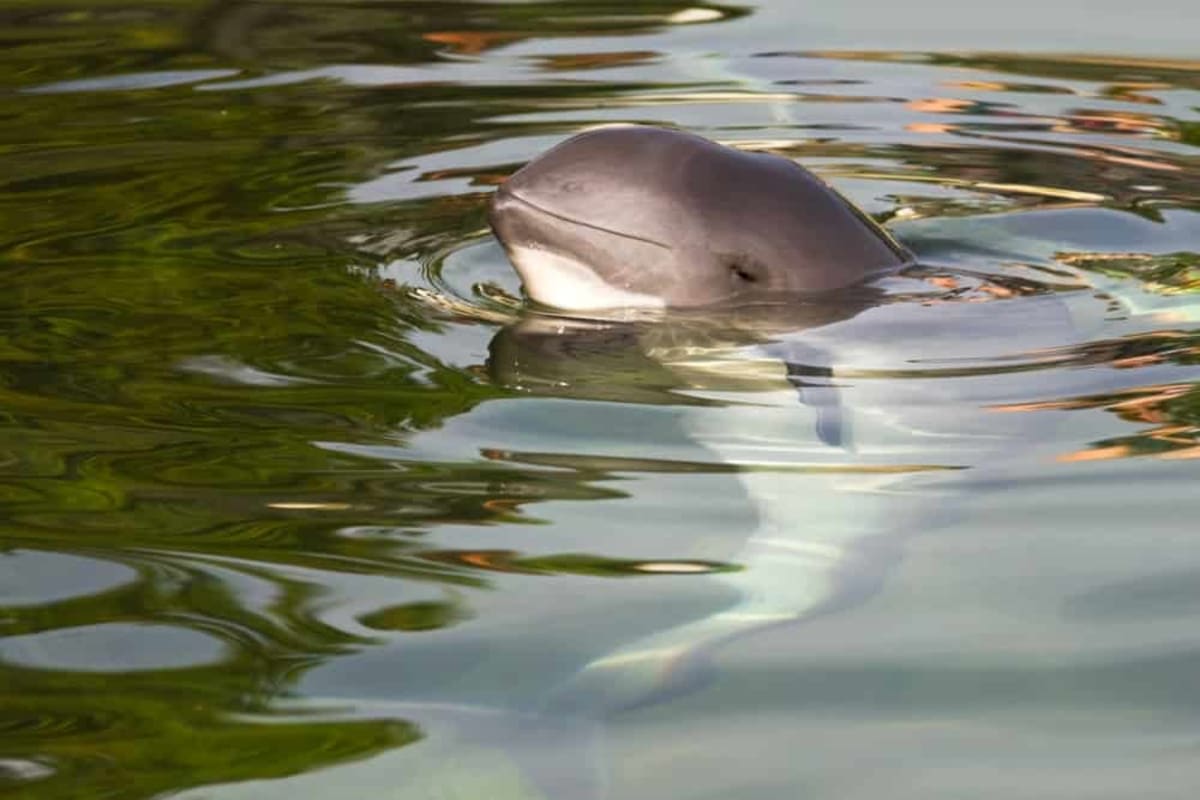
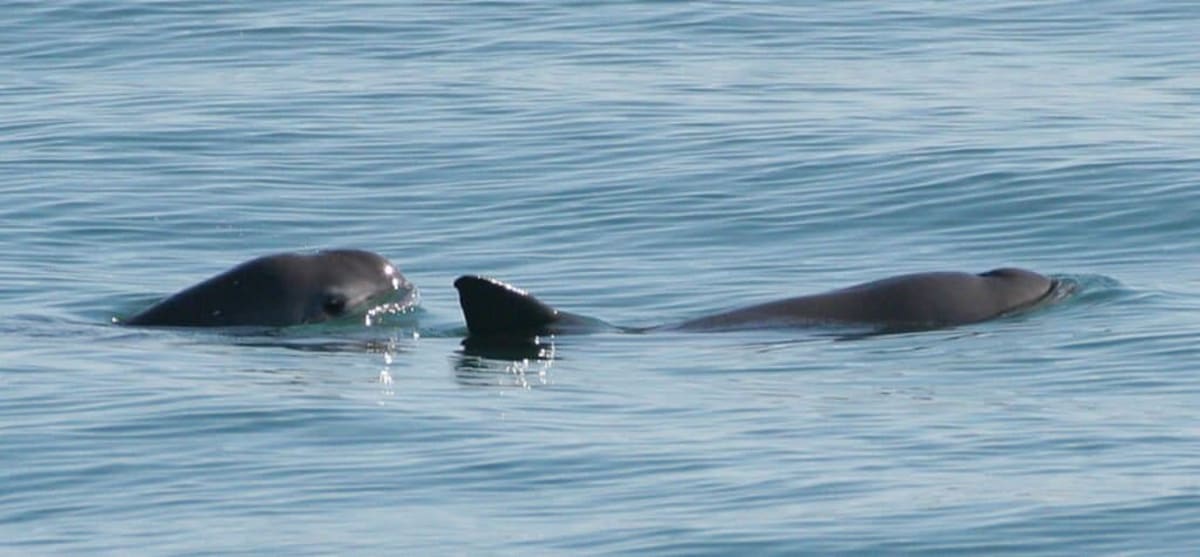
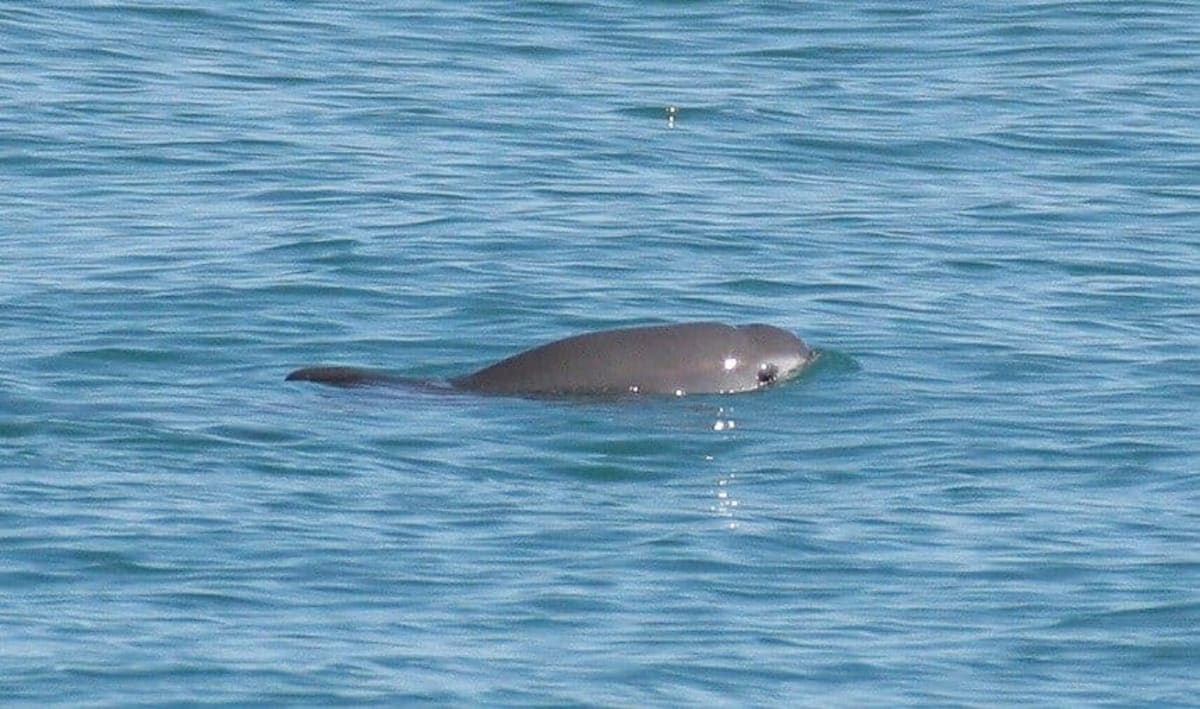
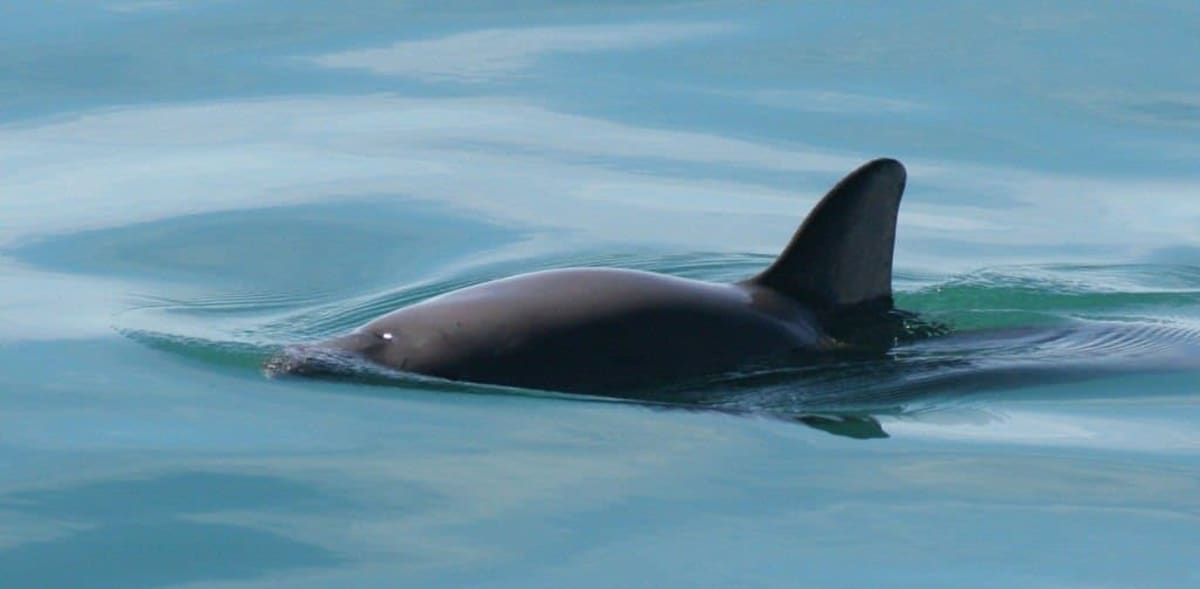
Researchers from Florida Atlantic University and partners have created the first complete 3D model of a vaquita skeleton, giving conservationists a powerful new way to rally support for the world's rarest marine mammal. The vaquita, a small porpoise with distinctive dark circles around its eyes and mouth, has earned the nickname "panda of the sea" for its adorable markings.
The problem is that almost nobody knows this animal exists. With only six to 10 vaquitas left in the wild today, they're vanishing before most people even learn their name.
The team used an incredibly detailed imaging process to capture every aspect of the 1966 specimen. They combined medical CT scans, high resolution photography, and micro-CT imaging that can capture structures thinner than a human hair. Thousands of cross-sectional images came together to create a complete digital model that researchers can study without ever touching the fragile original skeleton.
"This transforms the vaquita from a symbol of conservation into a marine mammal that the public can rally behind to save," said Jamie Knaub, the study's lead author and PhD candidate at FAU. The digital model can now be used to create accurate replicas for museums, classrooms, and educational programs worldwide.
The vaquitas aren't being hunted, which makes their story even more heartbreaking. These porpoises get trapped in illegal gillnets set for totoaba, an endangered fish whose swim bladders sell for up to $80,000 per kilogram on the black market. Once caught in the nets, vaquitas can't reach the surface to breathe.
The numbers tell a devastating story. In 1997, there were 567 vaquitas. By 2008, that dropped to 245. Just 30 remained in 2016. Today's population of six to 10 represents a 99% decline in less than three decades.
Unlike other endangered species, captive breeding isn't an option. Vaquitas die in captivity, which means they can only be saved in their natural habitat in Mexico's Gulf of California. This makes conservation efforts exponentially harder and requires cooperation between Mexico, the United States, and China to stop the illegal totoaba trade.
The Ripple Effect
This 3D model does more than preserve scientific knowledge. It creates something tangible that people can see, touch, and connect with in museums around the world. When people can stand face to face with a life-sized vaquita skeleton, the species stops being just a statistic and becomes real.
The research team believes that raising awareness is the critical first step. Every replica placed in a classroom or museum becomes an ambassador for a species most people have never heard of. Educational programs can now show students exactly what makes vaquitas unique, from their compact four to five foot bodies to their specialized bone structure.
The digital archive also preserves crucial scientific data for future conservation efforts. Researchers can study the vaquita's anatomy in extraordinary detail, potentially unlocking insights that could help protect the remaining population.
With fewer than 10 vaquitas swimming in the wild, every single one matters. This skeleton, collected nearly 60 years ago, might just give the species the visibility it desperately needs to survive.
##
More Images
Based on reporting by Google: species saved endangered
This story was written by BrightWire based on verified news reports.
Spread the positivity!
Share this good news with someone who needs it