Scientists Create 4-Pronged Antibody That Fights Cancer
Researchers at the University of Southampton engineered a new four-pronged antibody that supercharges the immune system's ability to destroy cancer cells. The breakthrough could help millions of patients whose cancers don't respond to current treatments.
Scientists just figured out how to give our cancer-fighting immune cells a powerful upgrade.
A team at the University of Southampton's Centre for Cancer Immunology created a new type of antibody that works like a master key for activating T cells, the body's specialized cancer killers. Published in Nature Communications, their research shows these engineered antibodies are significantly better at fighting tumors than current options.
Here's the problem they solved: cancers are sneaky. They don't produce the natural signals that tell our T cells to attack. Standard antibodies can help, but they're shaped like a Y with only two prongs, so they can only grab two immune receptors at once. That's not always enough to wake up the T cells.
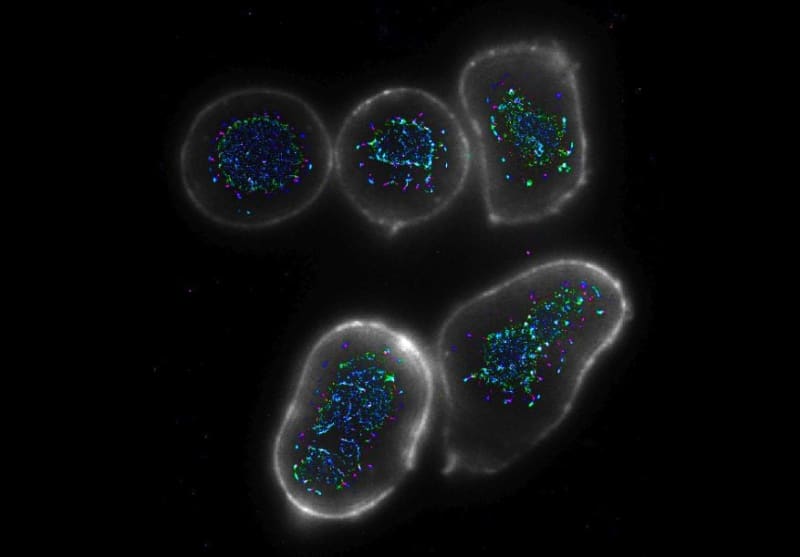
The Southampton team engineered antibodies with four prongs instead of two. These supercharged molecules grab onto more receptors on a protein called CD27, then pull them together into tight clusters. This amplifies the alarm signal and mimics how our bodies naturally activate T cells during infections.
"We already understood how the body's natural CD27 signal switches on T cells, but turning that knowledge into a medicine was the real challenge," said Professor Aymen Al-Shamkhani, who led the study. "The natural antibody format was not powerful enough, so we had to create a more effective version."
In lab tests using both mice and human immune cells, the four-pronged antibodies delivered a much stronger anti-tumor response. They were especially effective at activating CD8+ T cells, often called the immune system's special forces.
The Ripple Effect
This breakthrough matters because many cancer patients don't respond to current immunotherapies. Their T cells simply aren't getting all the signals they need to fight back effectively. By making the CD27 receptor more responsive, this approach could help the immune system work closer to its full potential.
The research, funded by Cancer Research UK, provides a blueprint for creating next-generation cancer treatments. Instead of attacking cancer directly with toxic drugs, these therapies help our own bodies recognize and destroy tumors naturally.
The team's innovation shows how understanding nature's playbook can lead to better medicine. This new generation of antibodies could open doors for patients who've run out of options.
More Images
Based on reporting by Google News - Researchers Find
This story was written by BrightWire based on verified news reports.
Spread the positivity!
Share this good news with someone who needs it