Scientists Create Alien Contact Rulebook for Social Media Age
The world's top space scientists just published a handbook for what to do if we discover aliens—because in an era of deepfakes and viral misinformation, humanity needs a plan. The protocols promise total transparency and careful verification before any cosmic announcement changes everything.
Imagine discovering proof of alien life but having no idea what to do next—in a world where your tweet could go viral in seconds and AI could fake your findings before breakfast.
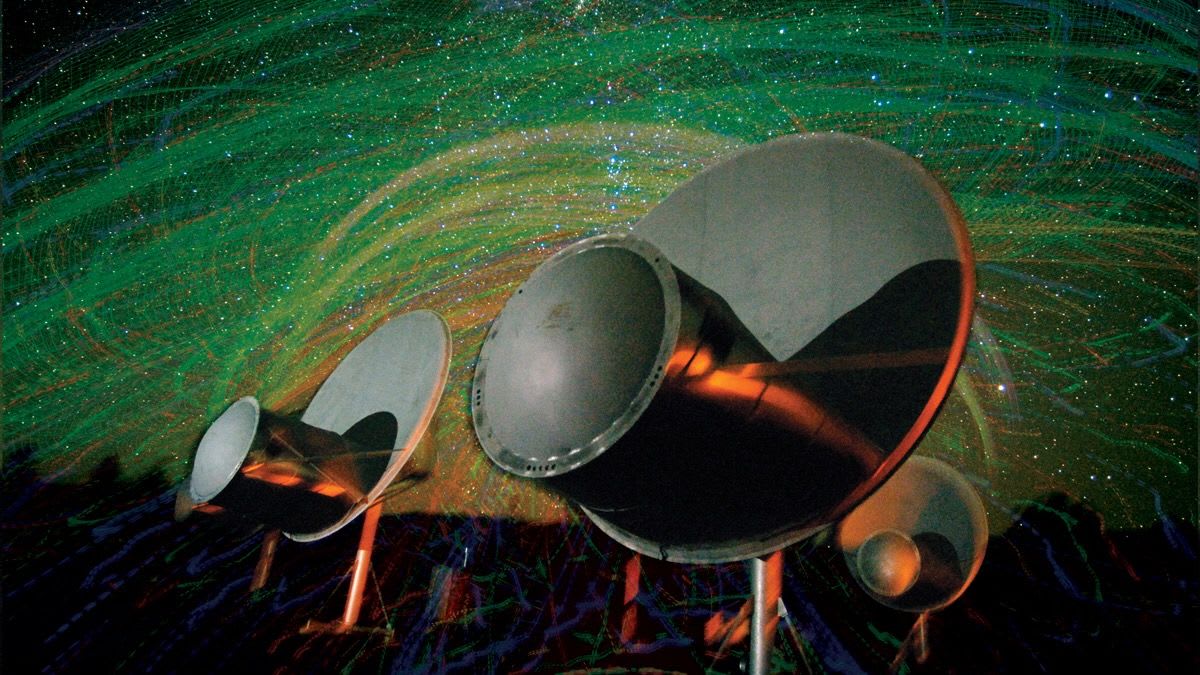
That's exactly why the International Academy of Astronautics just ratified new protocols for handling the biggest discovery in human history. The guidelines, called the "Declaration of Principles Concerning the Conduct of the Search for Extraterrestrial Intelligence," address everything from verifying evidence to navigating social media storms when (not if) someone finds ET.
"There is no secret file on aliens," says Michael Garrett, who chairs the IAA's Permanent SETI Committee and leads the University of Manchester's astrophysics program. "If we ever find a credible signal, the public will know."
The timing couldn't be better. With massive new telescopes like the Vera C. Rubin Observatory in Chile and the Square Kilometer Array coming online, scientists say the discovery might happen sooner than we think. Here's the twist: it probably won't be a SETI scientist who finds it.
"More than likely it's going to be someone who's looking for something else in the astronomical data but who finds some kind of anomaly that doesn't quite add up," Garrett explains. That astronomer might not know proper protocol and could accidentally spark global panic with an unverified social media post.
The new rulebook solves that problem with eight clear protocols. First up: verification through independent observatories and peer review before any public announcement. Scientists learned this lesson the hard way when candidate signal BLC-1 leaked to The Guardian before proper vetting revealed it was just terrestrial interference.
Why This Inspires
This isn't about government conspiracies or hidden vaults. It's about scientists doing something remarkably human: planning how to share potentially world-changing news responsibly.
The protocols commit to radical transparency. Once confirmed, every dataset, every line of analysis code, and every verification step gets published for anyone to see. The guidelines even require reporting findings to the United Nations Secretary General and protecting radio frequencies from interference to preserve evidence.
What happens after discovery depends on what we find. A clear radio signal or probe in our solar system would spark a much bigger reaction than detecting a Dyson sphere a thousand light years away. That's why the protocols bring in experts beyond astronomy—anthropologists, legal scholars, and communication specialists—to help humanity process what comes next.
Carl Sagan famously said extraordinary claims require extraordinary evidence. These new protocols ensure that when humanity finally answers the question "Are we alone?"—we'll do it with both wonder and wisdom.
The universe might be about to get a lot more interesting, and now we're finally ready for it.
More Images

Based on reporting by Space.com
This story was written by BrightWire based on verified news reports.
Spread the positivity!
Share this good news with someone who needs it