Scientists Create Cane Toad-Resistant Quolls in Australia
Australian researchers have achieved a genetic breakthrough that could save endangered quolls from extinction by making them resistant to deadly cane toads. The innovation offers new hope for native wildlife facing an unstoppable invasive species. ---
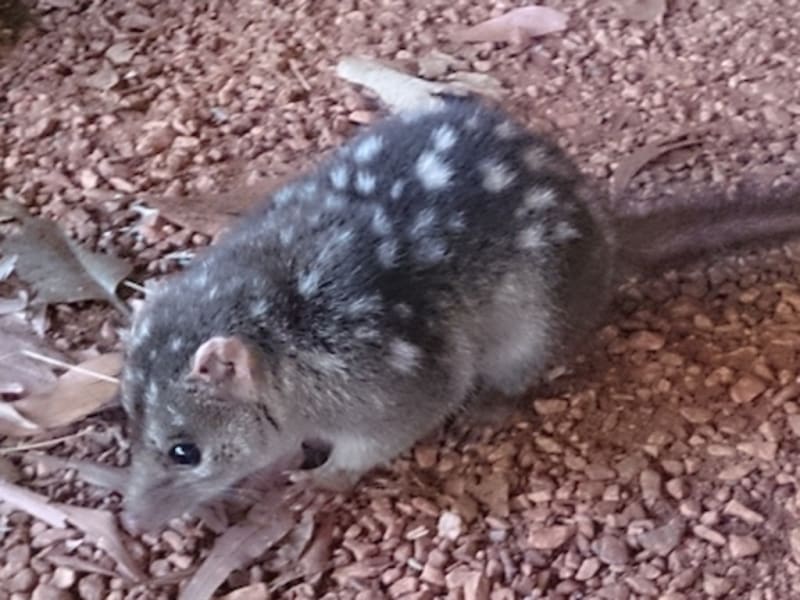
Australian scientists just cracked the code to protect adorable quolls from the cane toads that have been driving them toward extinction for decades.
Researchers have successfully developed a genetic technique that could make native quolls resistant to the poison that kills them when they try to eat cane toads. The breakthrough marks a turning point in Australia's long battle against one of the world's most destructive invasive species.
Cane toads, introduced to Australia in 1935, have devastated native predators across the continent. When curious quolls bite into a cane toad, the amphibian's deadly toxin kills them almost instantly. Entire quoll populations have disappeared as the toads marched across northern Australia.
Traditional conservation efforts haven't stopped the decline. Fencing doesn't work because toads spread too far. Breeding programs can't keep up with the losses. For years, scientists watched helplessly as quoll numbers plummeted.
The new genetic approach teaches quolls to recognize cane toads as dangerous before they ever encounter one in the wild. Early results show promise that genetically enhanced quolls could survive in toad-infested habitats where their wild cousins now vanish.
This isn't science fiction anymore. The technology exists today and could be deployed within years if Australians decide the benefits outweigh the ethical questions.
The Ripple Effect
The implications reach far beyond saving one adorable marsupial. If this works for quolls, the same approach could protect other threatened native animals from cane toads, including goannas and freshwater crocodiles.
Australia has lost more mammal species than any other continent in modern times. This breakthrough offers a new tool in the conservation toolbox precisely when traditional methods have hit their limits.
The technique could also inspire similar genetic conservation efforts worldwide, from protecting Galapagos iguanas against invasive species to helping Hawaiian birds resist introduced diseases.
Some scientists and ethicists worry about the precedent of genetically engineering wild animals. Others argue that humans caused the problem by introducing cane toads, so humans have a responsibility to fix it with every tool available.
The decision about whether to deploy this technology will ultimately rest with wildlife managers, indigenous communities, and the Australian public. That conversation is already beginning.
For now, the breakthrough itself is cause for celebration. After 90 years of losing ground to cane toads, scientists finally have a realistic path to protecting quolls and other native wildlife from an enemy that seemed unstoppable.
The quolls might just get their happy ending after all.
---
More Images



Based on reporting by Google News - Australia Breakthrough
This story was written by BrightWire based on verified news reports.
Spread the positivity!
Share this good news with someone who needs it
%3Amax_bytes(150000)%3Astrip_icc()%2FScientists-Say-This-New-Technology-Can-Remove-over-90-of-Microplastics-from-Water-4f2d108b90414b798a9643ab229af46d.jpg)