Scientists Create Drug That Shrinks Lung Cancer Tumors
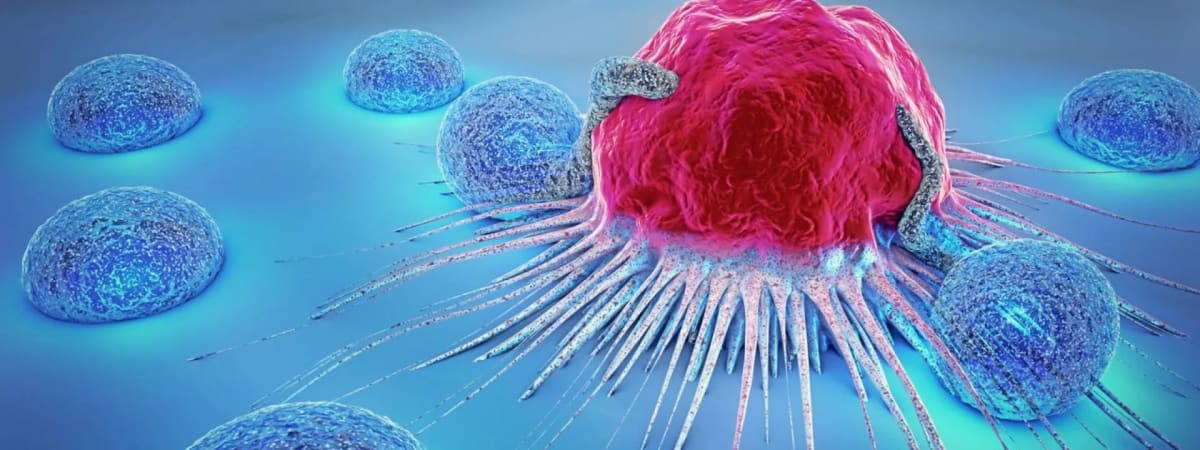
Researchers in Hong Kong have developed the first drug that targets a specific cancer "switch" in lung cancer cells, shrinking tumors in lab tests without harming healthy tissue. The breakthrough could transform treatment for millions of people with the world's deadliest cancer.
Scientists just made a major leap forward in the fight against lung cancer, the leading cause of cancer deaths worldwide.
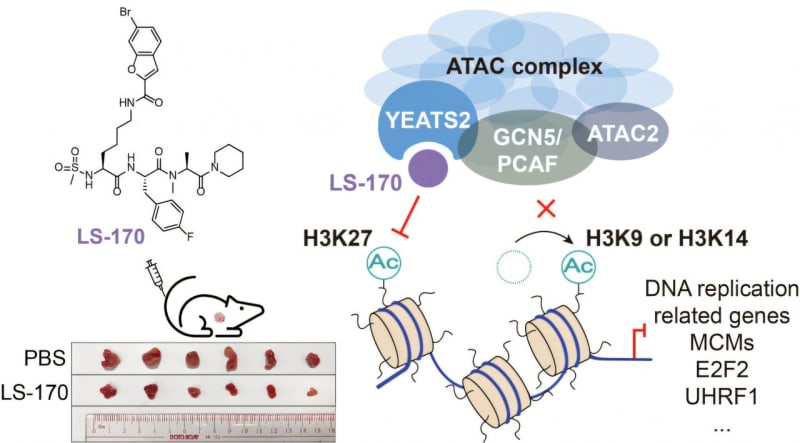
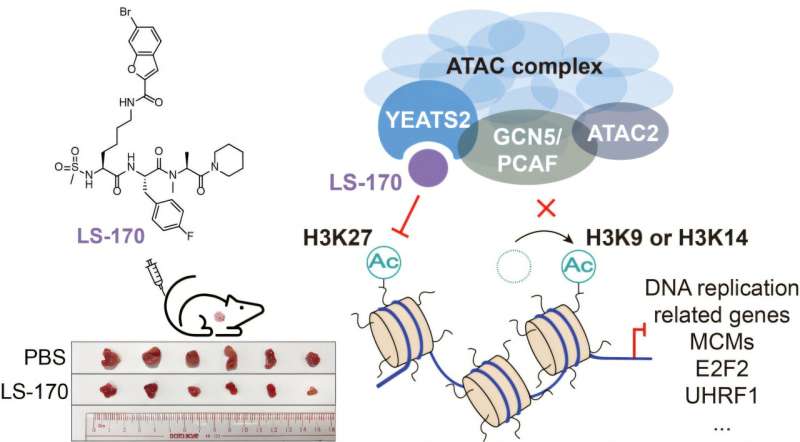
Researchers at The University of Hong Kong have created LS-170, a new drug that acts like a precision sniper against non-small cell lung cancer. Unlike traditional treatments that damage healthy cells along with cancerous ones, this drug zeroes in on a single molecular switch that cancer cells use to grow out of control.
Professor Xiang David Li and his team tackled a problem that has stumped scientists for years. Inside our cells, proteins called histones act like light switches for our genes, turning them on or off. In lung cancer, a protein complex called ATAC gets stuck in the "on" position, activating genes that make tumors grow and spread.
Previous attempts to stop this process failed because they targeted an enzyme shared by many cell functions, causing harmful side effects. The Hong Kong team took a smarter approach by targeting YEATS2, a protein found only in the ATAC complex.
Think of it like disabling one specific circuit breaker in a house instead of shutting off the entire power grid. The drug prevents YEATS2 from latching onto DNA, which stops cancer genes from switching on.
In laboratory tests, LS-170 dramatically shrank tumors and stopped cancer from spreading in animal models. Even better, the drug showed minimal impact on healthy cells.
The Ripple Effect
This discovery extends far beyond lung cancer. The YEATS2 gene is overactive in ovarian, pancreatic, and other solid tumors, suggesting the drug could help millions facing different cancer diagnoses.
The research team has filed international patents and published their findings in Nature Chemical Biology, one of the world's top scientific journals. The work represents the first time scientists have successfully created a drug targeting one specific histone complex without disrupting others.
Professor Li calls it a potential revolution in how we treat disease. "We didn't just create a potent inhibitor that can suppress tumors. We uncovered a novel strategy to target just one epigenetic complex out of several that share the same enzyme core."
The approach could accelerate development of similar precision drugs for other diseases where specific protein complexes go haywire. Researchers are already exploring how to adapt this strategy for other conditions.
While LS-170 still needs human clinical trials before reaching patients, the breakthrough proves that ultra-precise cancer drugs are possible, bringing hope to anyone touched by this devastating disease.
More Images


Based on reporting by Medical Xpress
This story was written by BrightWire based on verified news reports.
Spread the positivity!
Share this good news with someone who needs it