Scientists Create Insulin Pill to Replace Daily Injections
Japanese researchers developed a peptide pill that helps insulin survive digestion and enter the bloodstream, potentially ending daily injections for millions with diabetes. The breakthrough could transform diabetes care worldwide, especially in countries like India where treatment access remains challenging.
For millions living with diabetes, the daily ritual of insulin injections has been unavoidable for over a century. That might finally change thanks to researchers at Kumamoto University in Japan who cracked a problem that has stumped scientists since insulin was discovered in 1921.
The team developed a special cyclic peptide that acts like a protective carrier, helping insulin survive the harsh acids in your stomach and slip through the intestinal wall into your bloodstream. Published in Molecular Pharmaceutics, this breakthrough tackles both major obstacles that have made an insulin pill impossible until now.
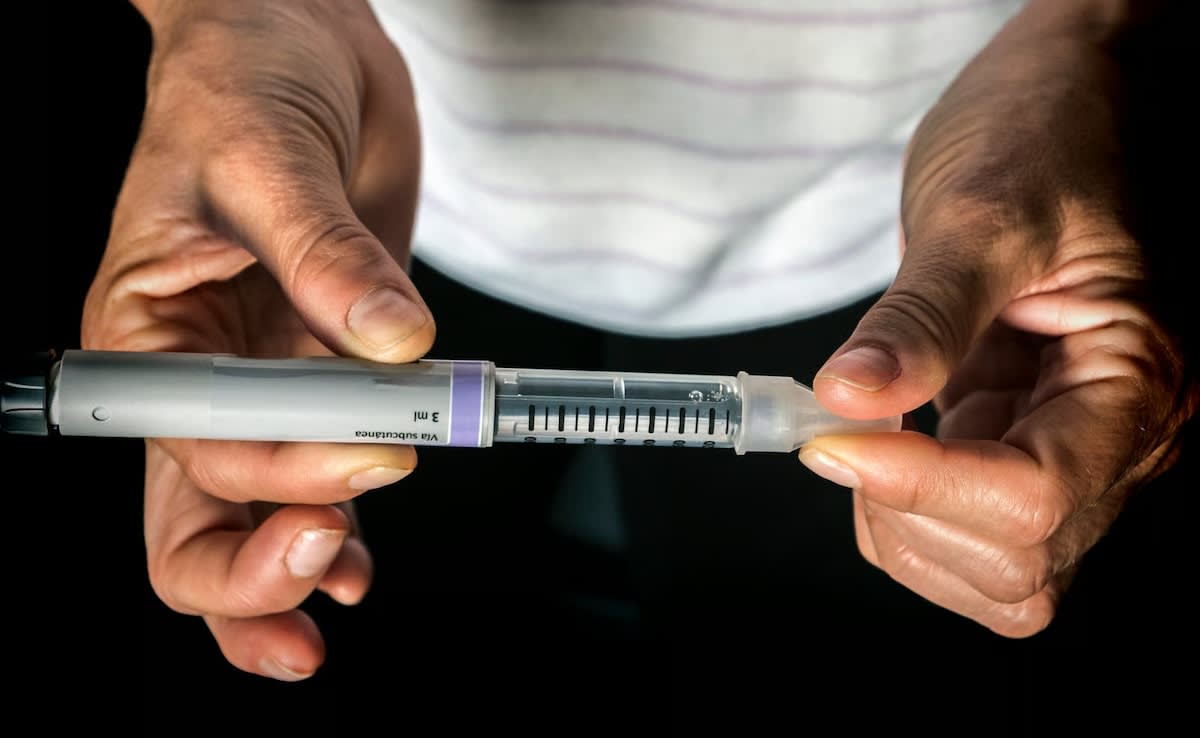
Here's why this matters so much. Insulin breaks down almost instantly when swallowed, destroyed by digestive enzymes before it can do any good. Even if some survives, the intestinal lining blocks large molecules like insulin from passing through. That's why injections have always been necessary, delivering insulin directly into the bloodstream and bypassing digestion entirely.
The new peptide pill changes everything. It wraps around insulin molecules, protecting them through digestion and escorting them across the gut barrier. Think of it as a molecular bodyguard that gets insulin where it needs to go.
The Japanese team tested two key strategies. First, they stabilized insulin so stomach acid couldn't destroy it. Second, they engineered the peptide to help insulin pass through intestinal cells efficiently. Together, these innovations allow insulin to remain biologically active after being swallowed.
The Ripple Effect
An insulin pill could dramatically improve lives beyond just convenience. Many people struggle with injection therapy because of needle fear, social stigma, or simply the challenge of maintaining strict schedules. Poor adherence leads to unstable blood sugar and serious complications like nerve damage, kidney disease, and heart problems.
Oral insulin might also work better with how our bodies naturally process the hormone. When you eat, your pancreas releases insulin that flows first through the liver. A pill could mimic this natural pathway more closely than injections, potentially improving overall blood sugar control.
The impact could be enormous in India, often called the diabetes capital of the world. Millions there need insulin therapy but face barriers accessing injectable treatments, especially in rural areas. A pill could improve adherence, reduce complications, and lower healthcare costs across populations that need it most.
The technology isn't ready for pharmacies yet. Human clinical trials still need to happen, and researchers must prove the pill works safely over years of use. Manufacturing at scale presents its own challenges too.
But this breakthrough joins a growing wave of success with peptide pills. Oral versions of similar diabetes drugs like GLP-1 agonists have already reached patients, proving that what once seemed impossible is becoming routine. The peptide platform developed for insulin could potentially deliver other protein drugs too, opening doors across medicine.
After a hundred years of needles, swallowing a pill with breakfast might soon become the new normal for diabetes care.
More Images


Based on reporting by Google News - Health Breakthrough
This story was written by BrightWire based on verified news reports.
Spread the positivity!
Share this good news with someone who needs it