Scientists Create Leather from Chicken DNA and T. Rex Data
A lab has grown experimental leather using AI, chicken proteins, and contested T. rex fossil data, creating a handbag that's sparking curiosity about biotechnology. While it's 90% chicken, the project is getting people excited about science.
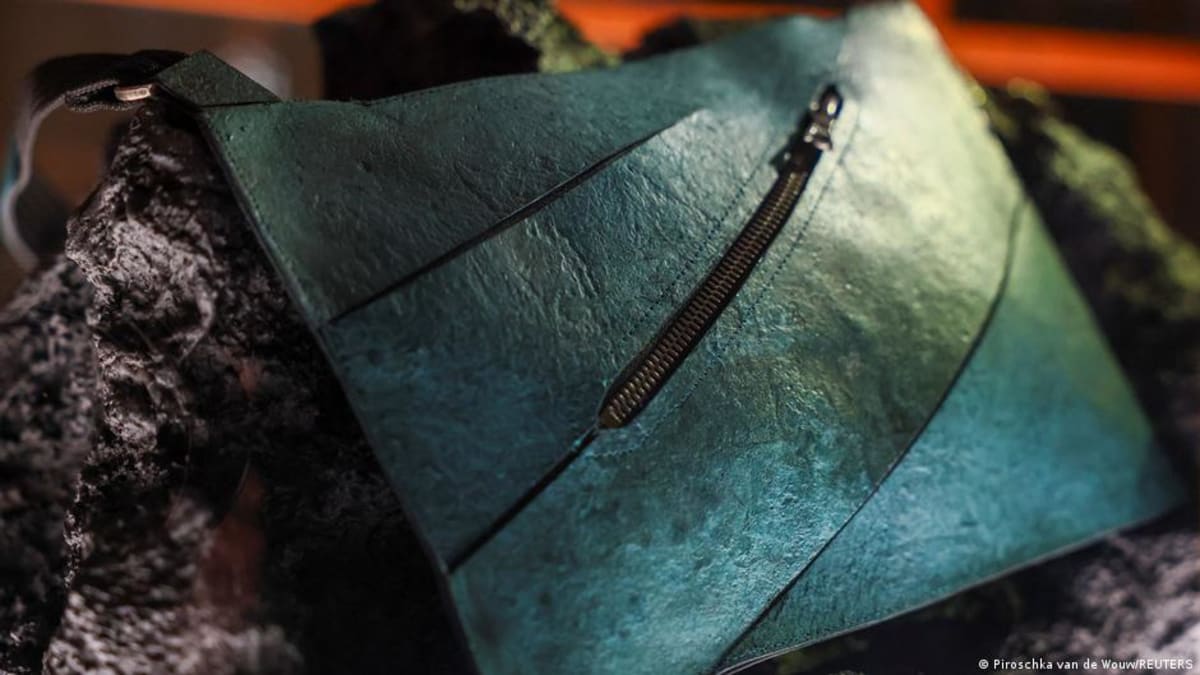
Scientists in Amsterdam have created a handbag from lab-grown leather using AI and fragments possibly linked to a Tyrannosaurus rex fossil. The fashion piece, designed by Polish label Enfin Leve, will be auctioned in Paris this June.
Here's the surprising truth: the leather is actually about 90% chicken. Scientists used protein fragments discovered in a Montana T. rex skeleton from the 1990s as inspiration, but had to fill in massive gaps using artificial intelligence and modern chicken proteins.
Why chicken? Birds are the closest living relatives to dinosaurs, making their genetic material the perfect template. The AI analyzed various species, mostly chickens, to reconstruct what a complete T. rex protein sequence might have looked like.
The original fossil fragments themselves remain controversial among scientists. Paleontologist Mary Higby Schweitzer shocked the scientific world when her team reported finding soft tissue and protein fragments inside the 66-million-year-old bones, something many researchers thought impossible.
Jan Dekker, a postdoctoral researcher specializing in ancient proteins at the University of Turin, remains skeptical. He notes that proteins typically survive only 20 million years under exceptional conditions, making 66-million-year-old dinosaur proteins unlikely.
The project team openly acknowledges they're working with incomplete puzzle pieces. Thomas Mitchell from The Organoid Company, which developed the material, described filling in the missing sections to create something entirely new.
The leather itself reportedly has unusual properties. Enfin Leve described it as "dense, primal, operating on its own logic," unlike anything they've handled before.
Why This Inspires
The Amsterdam handbag project represents more than clever marketing. Lab-grown leather technology offers a sustainable alternative to traditional animal leather, potentially transforming the fashion industry without harming animals.
While luxury markets have been slow to embrace synthetic materials, this project proves that innovation and storytelling can change minds. The team deliberately chose the dinosaur angle because it captures imaginations worldwide.
Even skeptical scientists like Dekker see value in the buzz. If a handbag inspired by ancient creatures gets people curious about biotechnology, paleoproteomics, and sustainable materials, that's a genuine win for science communication.
The project also showcases how AI can help solve problems with incomplete data. By training algorithms on existing species and applying them to ancient mysteries, researchers are opening new possibilities for understanding Earth's distant past.
Whether it's truly "dinosaur leather" or brilliant bioengineering using modern chickens, the project is getting people talking about science, sustainability, and the fascinating connections between prehistoric giants and today's birds. Sometimes the best way to move forward is by looking 66 million years back.
More Images

Based on reporting by DW News
This story was written by BrightWire based on verified news reports.
Spread the positivity!
Share this good news with someone who needs it