Scientists Create Light-Based Chip to Cut Energy Use
Researchers have successfully produced a once-impossible semiconductor material that could make computers and medical devices run faster while using far less power. The breakthrough germanium-tin alloy converts light to electricity more efficiently than current silicon chips.
Your smartphone and laptop could soon run cooler, faster, and greener thanks to a material scientists thought was nearly impossible to create.
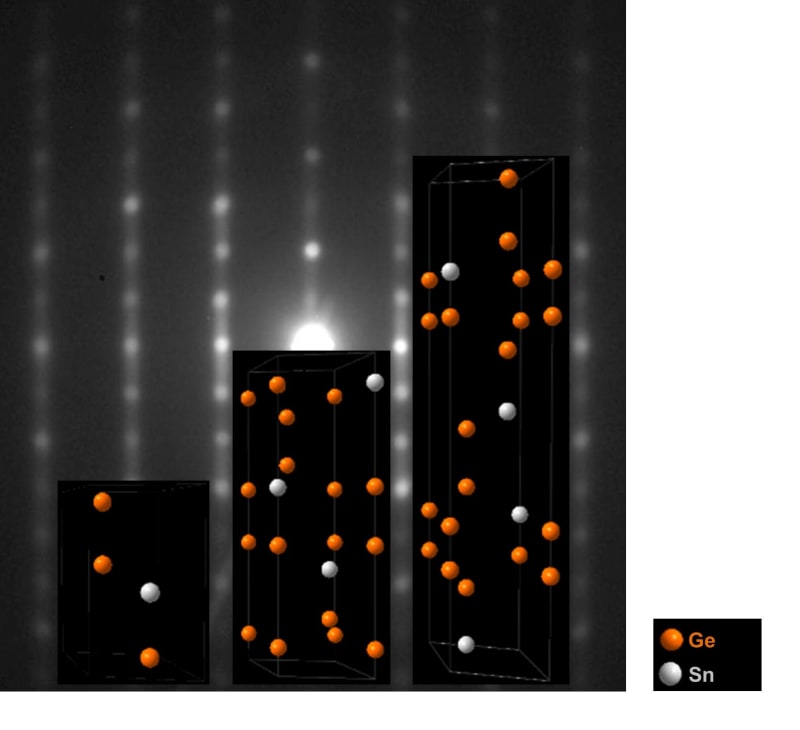
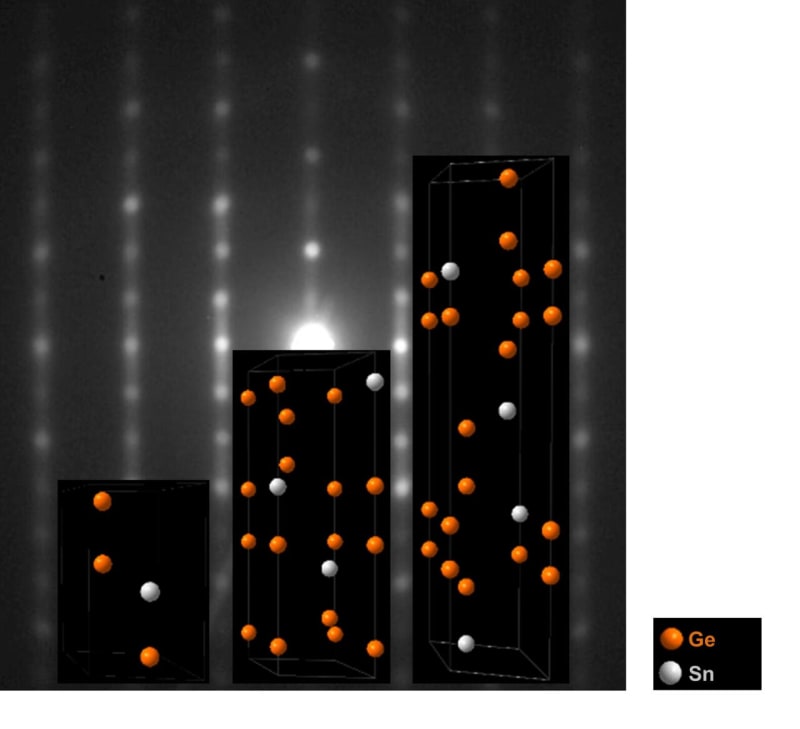
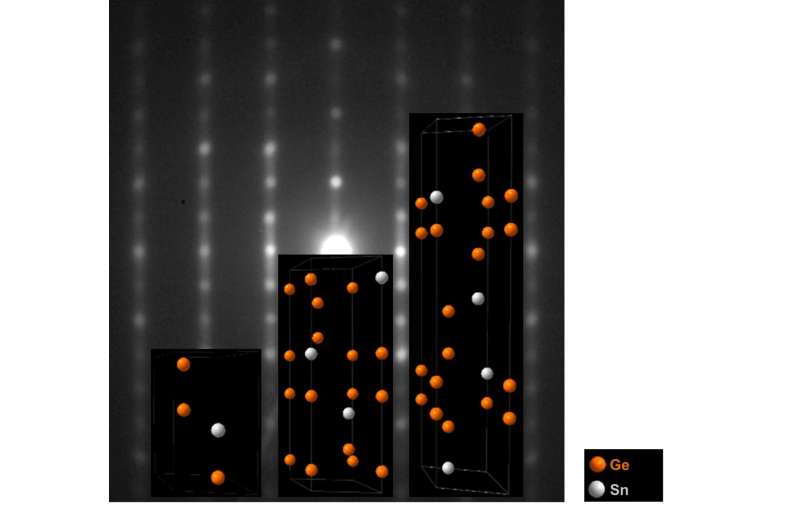
Researchers at the University of Edinburgh have successfully produced an entirely new class of semiconductors made from germanium and tin. These materials can convert light into electrical energy far more effectively than the silicon chips currently powering most electronic devices.
The achievement solves a problem that has stumped scientists for years. Germanium and tin simply don't want to bond under normal conditions, making the alloy extremely difficult to produce despite its theoretical promise.
The team cracked the code using extreme conditions that sound like something from a sci-fi movie. They heated mixtures of the two elements to over 1,200 degrees Celsius while applying pressure 100 times greater than what exists at the bottom of the Mariana Trench, the deepest point in Earth's oceans.
The result is a stable material that works at room temperature and normal pressure. Once created under these intense conditions, the semiconductors don't need special environments to function.
The Ripple Effect
The impact could extend far beyond individual devices. Data centers, which consume roughly 1% of global electricity, desperately need more energy-efficient components as artificial intelligence and cloud computing demands skyrocket.
Medical imaging equipment could also benefit significantly. Devices like MRI machines and CT scanners rely on semiconductors to convert signals into images, and more efficient chips could make these tools faster and more accessible in resource-limited settings.
Computer processors built with these light-based semiconductors could handle tasks more quickly while generating less heat. That means laptops that don't burn your lap and smartphones that last longer between charges.
Dr. George Serghiou, who led the study published in the Journal of the American Chemical Society, says the breakthrough opens new pathways for materials design. The technique of using extreme pressure and temperature to force chemical reactions could help create other previously impossible materials.
The international collaboration involved scientists from France, Germany, and multiple research centers, demonstrating how global cooperation accelerates innovation. The team didn't just create one new material but an entire class of semiconductors with varying properties.
This discovery arrives at a crucial moment as the tech industry searches for alternatives to silicon, which is approaching its physical limits for further miniaturization and efficiency improvements.
The road from lab breakthrough to commercial products typically takes years, but the foundation is now in place for a new generation of optoelectronic devices that work with light instead of just electricity.
More Images


Based on reporting by Phys.org - Technology
This story was written by BrightWire based on verified news reports.
Spread the positivity!
Share this good news with someone who needs it