Scientists Create Metals Unbroken at -424°F
A remarkable materials breakthrough has unlocked super-tough metals that refuse to crack in the deepest freeze imaginable. By rearranging their atomic structures under stress, these new alloys could revolutionize space exploration and clean energy technology.
Imagine materials so resilient that they bend gracefully in temperatures cold enough to freeze air itself. A global team of researchers has just turned that impossible vision into reality.
For nearly a century, engineers accepted a frustrating rule of physics: cooling metals makes them dangerously brittle. Drop the temperature low enough, and sturdy steel or iron will shatter like delicate glass under the slightest pressure.
Now, scientists from the University of Oxford, UC Berkeley, and Lawrence Berkeley National Laboratory have rewritten the rulebook. In a study published in Nature, the team unveiled two experimental alloys that stay flexible at a staggering minus 424 degrees Fahrenheit.
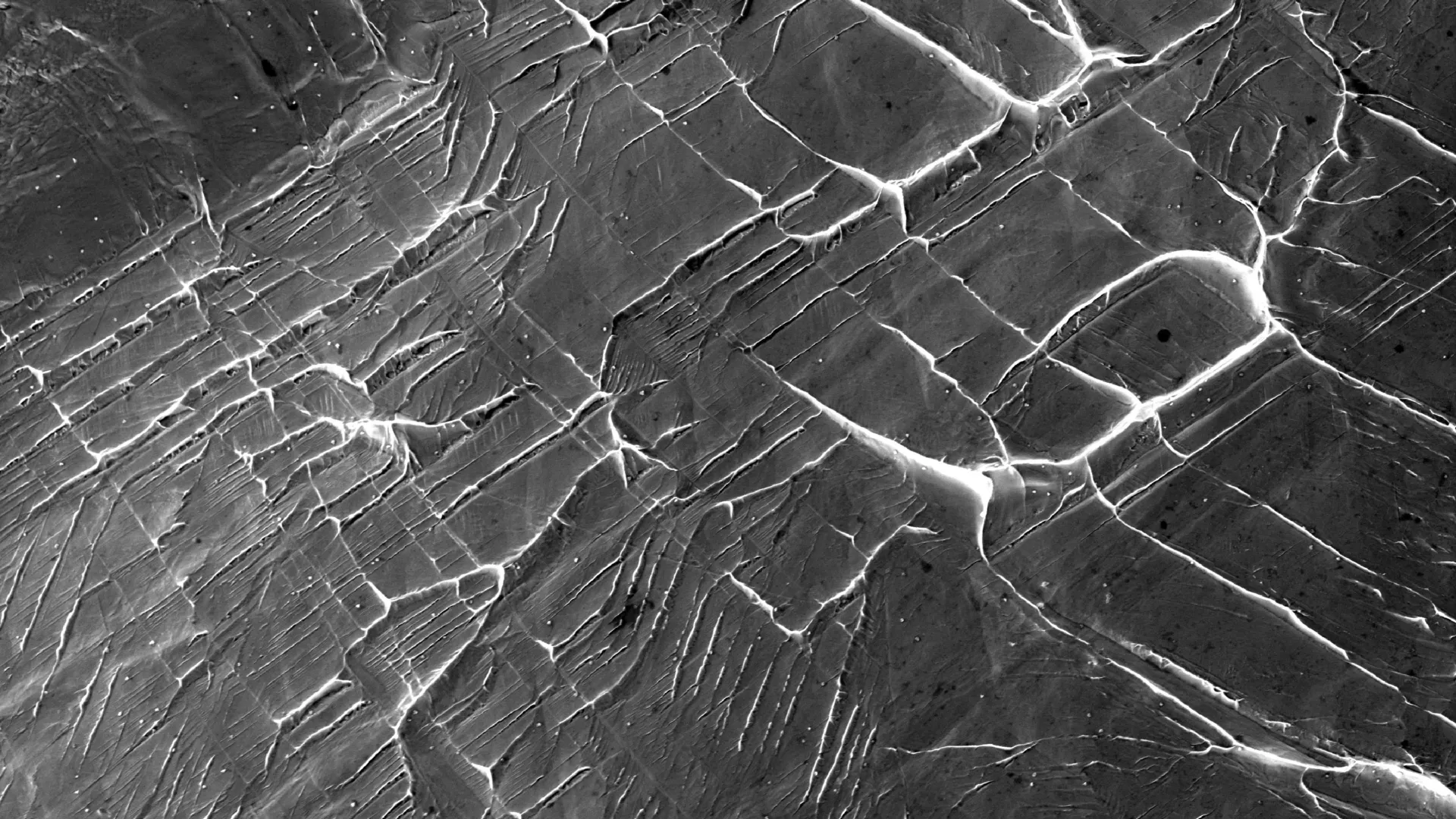
These custom niobium and titanium alloys do something extraordinary when the mercury plunges toward absolute zero. Instead of snapping, they reorganize their internal atoms into clever mirror-image patterns known as nanoscale twinning.
Think of it like a smart highway system automatically rerouting traffic when a main bridge freezes over. By creating fresh paths for mechanical stress to travel, the material absorbs heavy impacts safely without fracturing.
Lead author Dr. David Cook noted that this discovery completely upends conventional thinking about cold-weather resilience. Focusing on how materials generate new atomic pathways, rather than just how existing ones move, opens up boundless design possibilities.
The Ripple Effect
This breakthrough promises to supercharge human ambition across deep space and green energy. Spacecraft navigating icy alien moons and fuel tanks storing ultra-cold liquid hydrogen will soon rely on materials that thrive in extreme cold.
Fusion reactors and next-generation power grids also require components that endure swift transitions between blistering heat and cryogenic chills. With these newly discovered atomic blueprints, engineers can build resilient infrastructure that stands up to our universe's toughest environments.
By turning our coldest frontiers into platforms for innovation, human ingenuity continues to make the impossible possible.
Based on reporting by Science Daily
This story was written by BrightWire based on verified news reports.
Building Something New? Try the BrightWire Tech Stack Advisor
Compare modern frameworks, cloud hosting, and AI tools tailored to your project budget and scale.
Spread the positivity!
Share this good news with someone who needs it


