Scientists Create Nanoparticles That Attack Brain Cancer
Australian researchers have developed tiny particles that can cross into the brain and destroy disease-causing proteins linked to dementia and cancer. The breakthrough technology could finally treat diseases once considered impossible to cure.
Scientists just took a massive leap forward in treating some of the toughest diseases that have stumped doctors for decades.
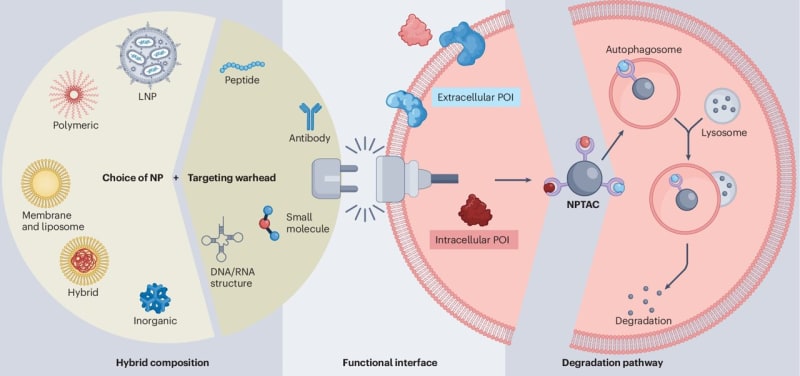
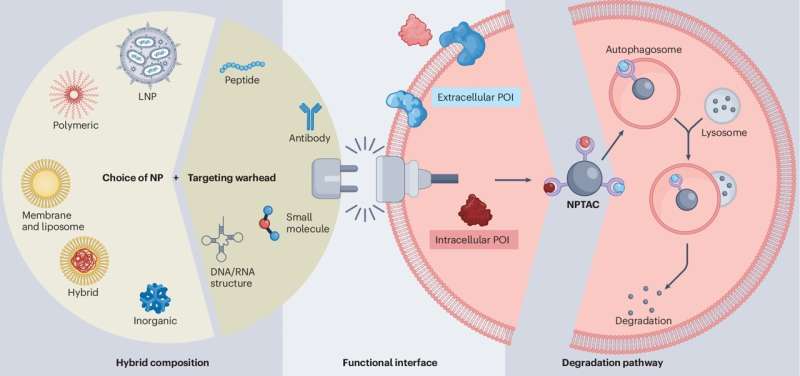
Researchers at the University of Technology Sydney have created revolutionary nanoparticles that hunt down and eliminate harmful proteins causing brain cancer, dementia, and other devastating conditions. Published in Nature Nanotechnology, this innovation tackles what scientists call "undruggable" proteins that traditional medicines can't touch.
Professor Bingyang Shi explains the problem these tiny warriors solve. "When proteins become mutated, misfolded, or build up in the wrong place, they can disrupt normal cell processes and trigger disease," he said. Many of these rogue proteins have been impossible to target with conventional drugs.
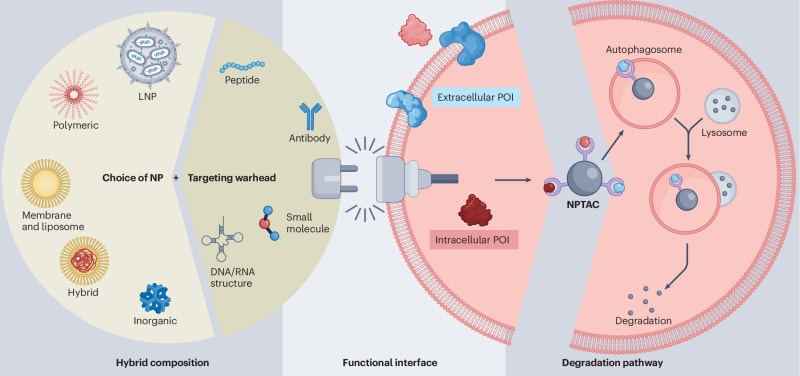
The new nanoparticles, called NPTACs, work like smart missiles in your body. They latch onto specific disease-causing proteins and guide them into the body's natural recycling system, where they're broken down and safely removed. Think of it as taking out the trash at a cellular level.
What makes this truly groundbreaking is where these particles can go. Unlike existing treatments that get stuck trying to reach the brain, NPTACs can cross the blood-brain barrier. This opens doors to treating brain tumors and neurological diseases that have had few effective options.
The technology has already shown promising results in early tests against proteins driving tumor growth and helping cancer cells hide from the immune system. The particles are built using materials already approved by the FDA, which could speed up the path to human trials.
Why This Inspires
This isn't just laboratory science. It represents hope for millions of families watching loved ones battle diseases with no good treatment options. The researchers designed NPTACs to be flexible, meaning they can quickly adapt the same platform to target different proteins causing different diseases.
The global market for this type of protein-targeting therapy is expected to exceed $10 billion by 2030. Major pharmaceutical companies have invested billions in similar approaches, but NPTACs solve problems that held those technologies back, including poor tissue penetration and difficulty reaching specific organs.
Professor Shi's team is now seeking industry partners to move toward clinical trials. Protected by international patents, the technology combines diagnosis and treatment capabilities in one package, making it both a detective and a cure.
For patients and families facing diagnoses that once meant "nothing more we can do," these tiny particles represent something powerful: a future where the impossible becomes treatable.
More Images

Based on reporting by Phys.org
This story was written by BrightWire based on verified news reports.
Spread the positivity!
Share this good news with someone who needs it