Scientists Create Scuba-Suited Cyborg Cockroaches for Rescue
Researchers built tiny diving suits for cyborg cockroaches that let them survive underwater for three hours, opening new possibilities for search and rescue in disaster zones. The breakthrough could help teams reach flooded spaces too dangerous or tight for humans and traditional robots.
A cockroach wearing a miniature scuba suit might sound like the stuff of nightmares, but scientists say it could become a lifesaver in future disasters.
Researchers from NTU Singapore and Waseda University have created a flexible diving suit for cyborg cockroaches that lets them move underwater and through low-oxygen spaces for up to three hours. The breakthrough, published in Nature Communications, could transform how rescue teams search flooded buildings, collapsed structures, and tight spaces after earthquakes or floods.
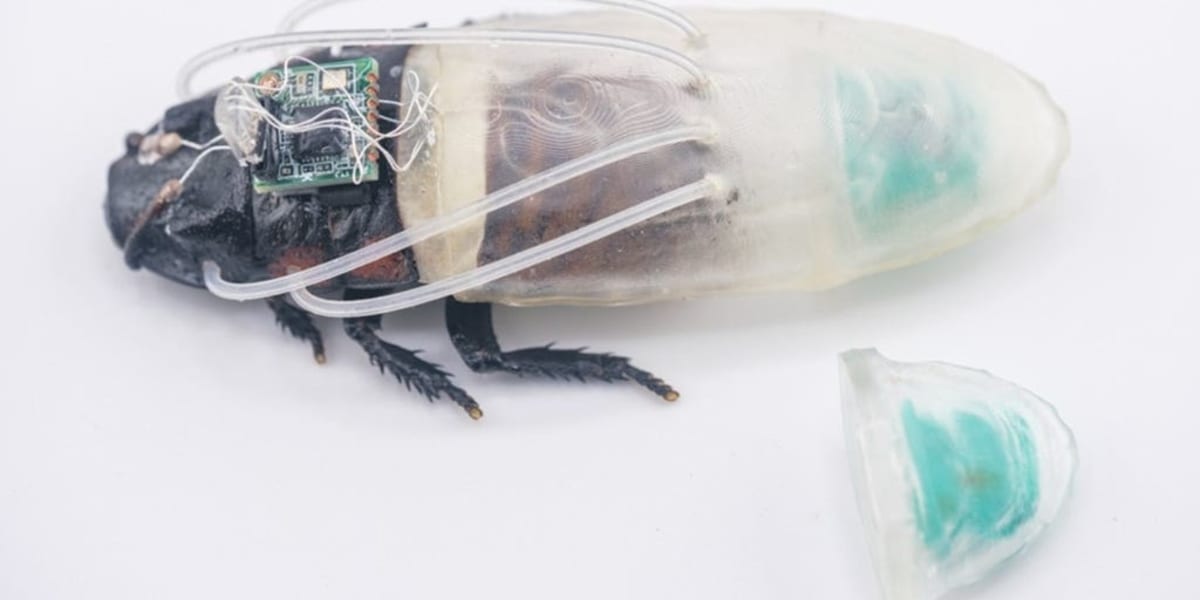
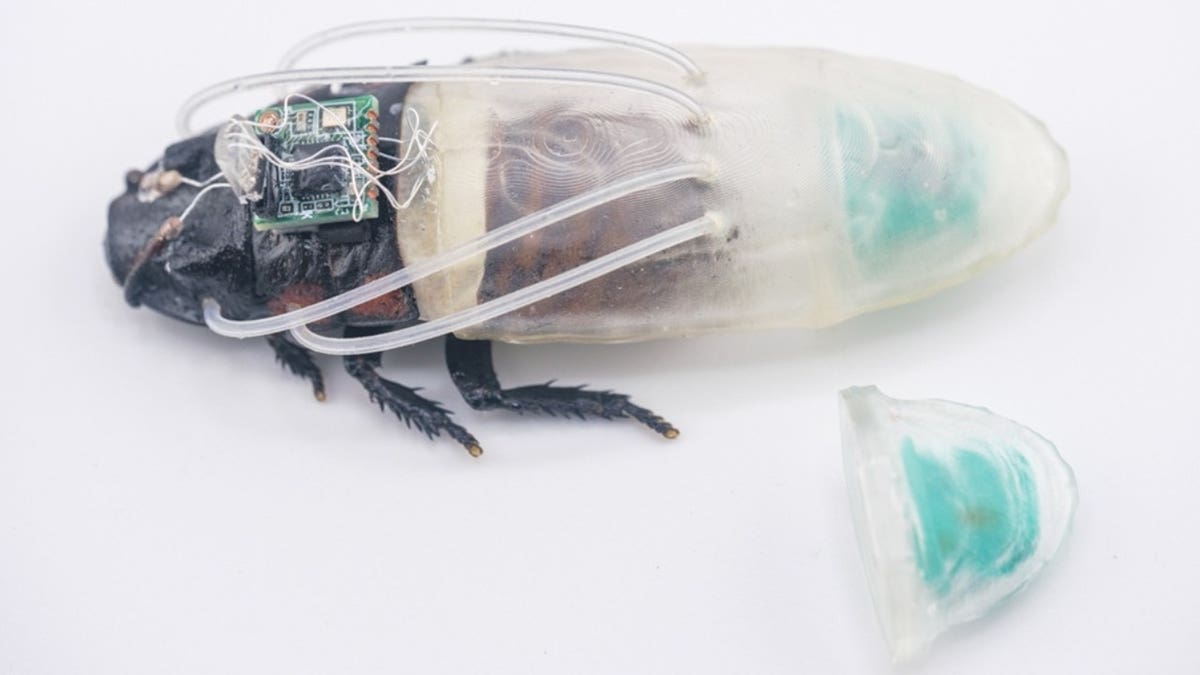
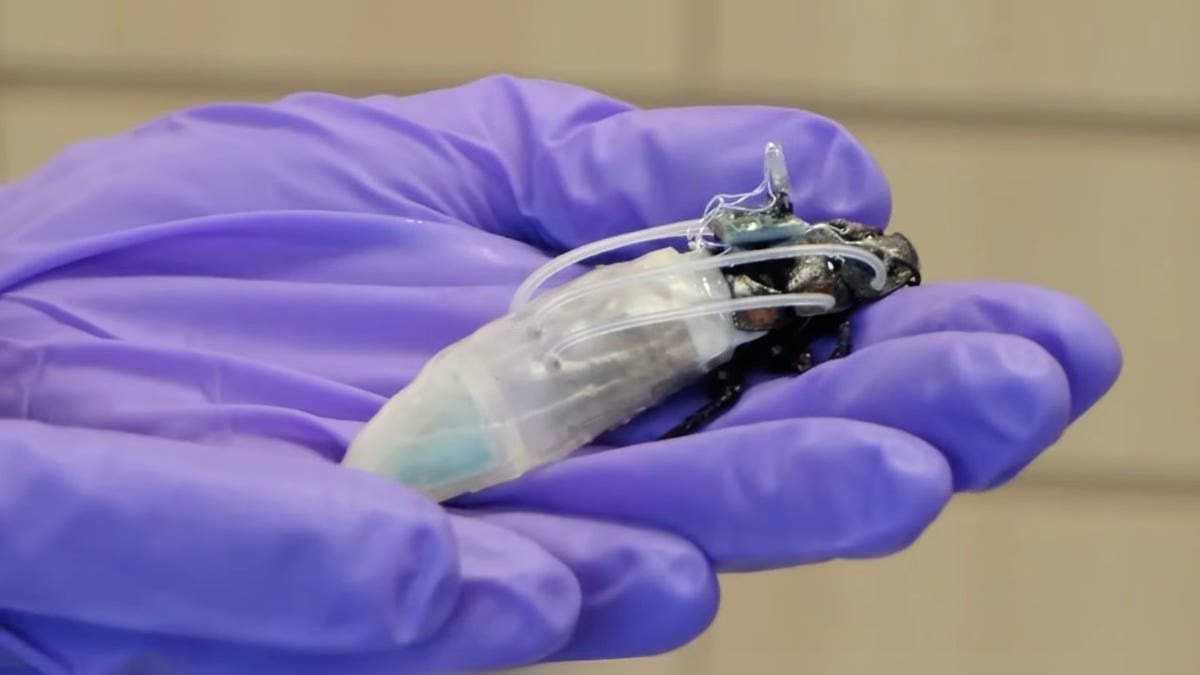
The suit includes a 3D-printed oxygen tank, waterproof shell, and four tiny silicone tubes that deliver air directly to the cockroach's breathing openings. Inside the tank, a chemical reaction between hydrogen peroxide and manganese dioxide slowly releases oxygen, just like a human diver's air supply.
The team chose Madagascar hissing cockroaches for testing because they're large, sturdy, and wingless. Unlike small robots that drain batteries powering motors, these cyborg insects use their own muscles to walk and need far less power. That makes them perfect for long searches in debris where recharging isn't an option.
The results were striking. Cyborg cockroaches wearing the suits stayed active underwater for three hours, while those without suffocated within two minutes. The suited insects successfully navigated narrow underwater gaps just 2 centimeters high and moved through tunnels filled with carbon dioxide and water.
The Ripple Effect
This innovation points to a future where rescue technology works with nature instead of replacing it. Traditional robots can't squeeze through the narrow pipes, drains, and rubble gaps common in disaster zones. But a living insect enhanced with electronics can crawl through spaces that would trap machinery.
Future versions could carry tiny cameras or sensors to help rescue teams locate survivors in flooded basements, collapsed buildings, or damaged infrastructure. The technology could prove especially valuable after hurricanes, earthquakes, or urban flooding where standing water blocks access to people who need help.
The researchers are now working to make the suits more durable and add navigation tools for real-world rescue operations. They're testing the system in more complex disaster simulations to prepare for actual emergencies.
While cyborg cockroaches won't replace human rescuers or larger robots, they could become a valuable addition to search teams facing the toughest conditions. Sometimes the smallest helpers make the biggest difference when lives hang in the balance.
More Images
Based on reporting by Fox News Tech
This story was written by BrightWire based on verified news reports.
Spread the positivity!
Share this good news with someone who needs it