Scientists Create Self-Building Solar Cell Molecule
Japanese researchers have designed a molecule that builds its own solar cell structures, skipping the tricky manufacturing steps that have held back flexible solar power. This breakthrough could lead to solar panels you can print on windows or even wear on your clothes.
Scientists at Osaka Metropolitan University just solved one of the biggest headaches in making flexible solar panels. They created a molecule that automatically assembles itself into the exact structure needed to convert sunlight into electricity.
Traditional solar cells rely on carefully mixing two types of materials to create what's called a p/n junction, where the magic of turning light into power happens. Even tiny changes in temperature or mixing can ruin the whole batch, making production expensive and unpredictable.
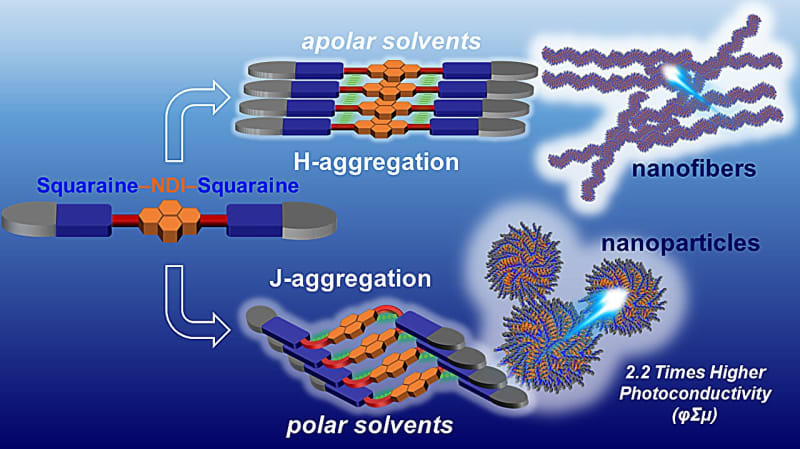
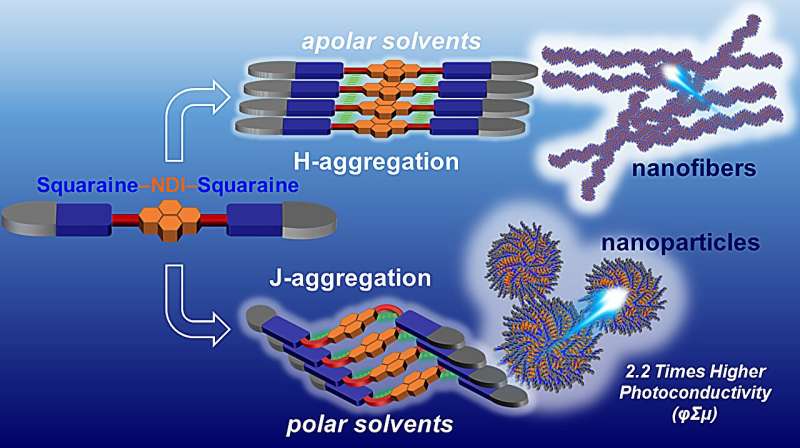
The team designed a molecule called TISQ that contains both needed materials in one package. When dissolved in different liquids, it spontaneously organizes itself into the perfect structure without any fancy equipment or precise control.
Associate Professor Takeshi Maeda and his colleagues discovered something remarkable during testing. Depending on which solvent they used, TISQ formed two different structures with unique properties. The J-type structure produced nearly double the electrical current compared to the H-type when exposed to light.
The researchers actually built working solar cells using TISQ as the only active ingredient. While the power output is still too low for commercial use, the cells proved that self-assembling molecules can do the job of traditional manufacturing processes.
Why This Inspires
This discovery opens doors that seemed stuck for years. Organic solar cells have always promised flexible, lightweight panels that could turn any surface into a power generator. Imagine windows that charge your phone, jackets that power your fitness tracker, or building wraps that feed electricity back to the grid.
The beauty of this approach is its simplicity. Instead of controlling countless variables in a factory, chemists can now design molecules that know exactly how to organize themselves. It's like giving the materials their own instruction manual.
The breakthrough also matters for cost and accessibility. Simpler manufacturing means cheaper production, which could bring solar power to communities that can't afford traditional panels. When the technology matures, printing solar cells could become as easy as printing newspapers.
Maeda's team is already working on improving the design to boost power output. They're exploring how tweaking the molecular structure affects performance, building a toolkit for future innovations in everything from solar panels to light sensors.
Self-assembling technology represents a fundamental shift in how we think about making electronics. Nature has been using self-assembly for billions of years to build everything from cell membranes to butterfly wings. Now we're learning to harness that same elegant efficiency for human technology.
The future where your clothing charges your devices just got a little bit closer.
More Images
Based on reporting by Phys.org - Technology
This story was written by BrightWire based on verified news reports.
Spread the positivity!
Share this good news with someone who needs it