Scientists Create Sponge That Cleans Toxic Dye From Water
Researchers in Japan have developed a new material that works like a super-sponge, removing over 86% of toxic industrial dyes from wastewater. The breakthrough could finally tackle one of the world's most stubborn pollution problems.
Every day, textile factories and chemical plants release colorful wastewater laced with toxic dyes that poison rivers, harm wildlife, and threaten human health. Now scientists at Tohoku University in Japan have created a material that soaks up these dangerous pollutants like never before.
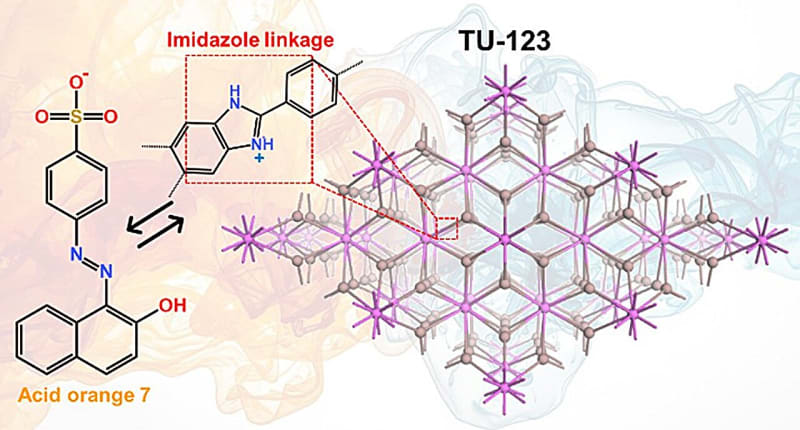
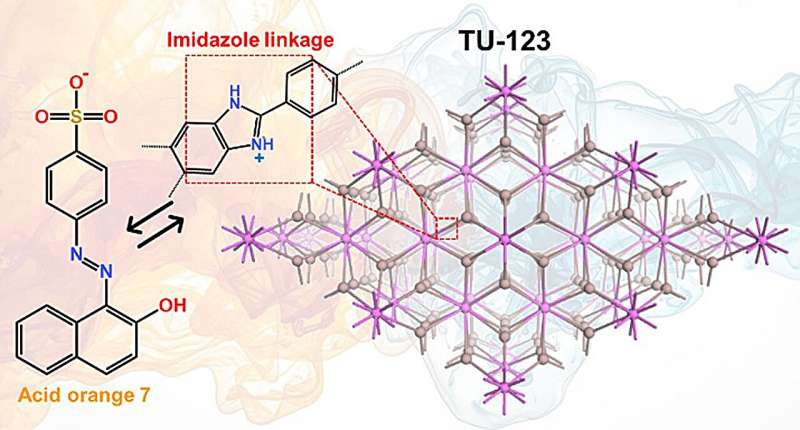
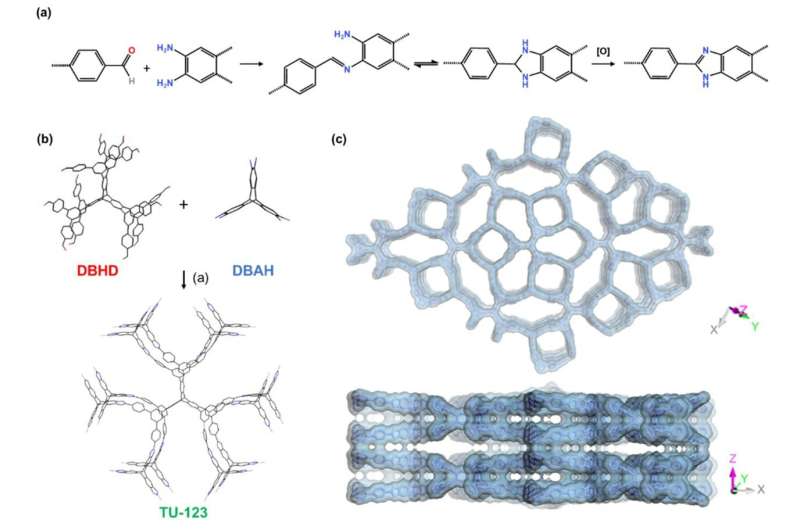
The team developed a three-dimensional framework called TU-123 that acts like a microscopic sponge with perfectly designed pores. When contaminated water flows through it, the material traps harmful dye molecules through an electrostatic attraction, pulling them out of the water for safe removal.
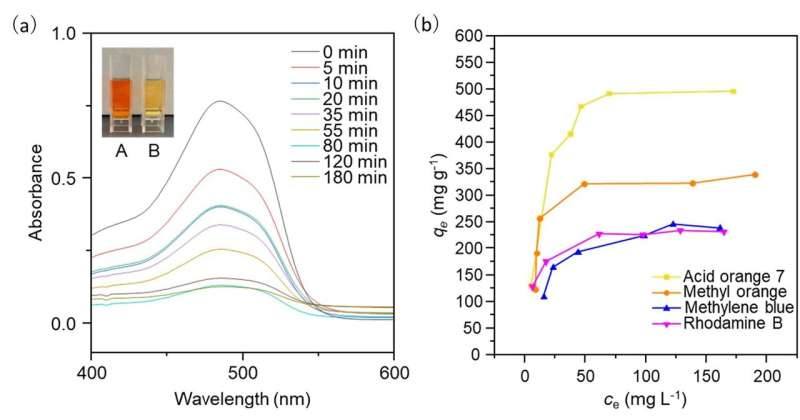
The results speak for themselves. In tests with Acid Orange 7, one of the most hazardous industrial dyes, TU-123 removed more than 86% of the pollution from water samples. The material worked quickly, remained effective after multiple uses, and even succeeded with real wastewater from actual factories.
What makes this breakthrough special is how the researchers solved a puzzle that had stumped scientists for years. Creating sturdy three-dimensional frameworks with the right chemical properties proved incredibly difficult. The team cracked the code by using a simplified two-component approach instead of the traditional complex method.
Junior Associate Professor Saikat Das explains that moving beyond old techniques opened up entirely new possibilities for building chemically robust materials. The framework they created is highly ordered, permanently porous, and tough enough to handle harsh industrial conditions.
The Ripple Effect spreads far beyond one factory or one river. Industrial dye pollution affects communities worldwide, particularly in regions with heavy textile manufacturing. This technology offers a practical solution that doesn't require choosing between clean water and economic activity.
The material also demonstrated something crucial for real-world use: recyclability. After capturing dyes, TU-123 can be cleaned and reused multiple times without losing effectiveness. That means lower costs and less waste for treatment facilities.
Testing the sponge-like material in complex environments proved its durability. Industrial wastewater contains more than just dyes, but TU-123 maintained its performance even in messy, real-world conditions with multiple contaminants present.
Professor Yuichi Negishi notes that this work establishes a blueprint for creating advanced water purification technologies. The same design principles could lead to materials that target other types of water pollution beyond textile dyes.
The research appears in the Journal of the American Chemical Society, bringing peer-reviewed credibility to these promising results. While the technology still needs scaling up for widespread industrial use, the fundamental science is sound and the practical applications are clear.
Clean water remains one of humanity's most pressing challenges, and solutions like TU-123 prove that scientific innovation can turn the tide on pollution problems once thought unsolvable.
More Images

Based on reporting by Phys.org
This story was written by BrightWire based on verified news reports.
Spread the positivity!
Share this good news with someone who needs it