Scientists Create Stunning Climate Graphics Using AI Coding
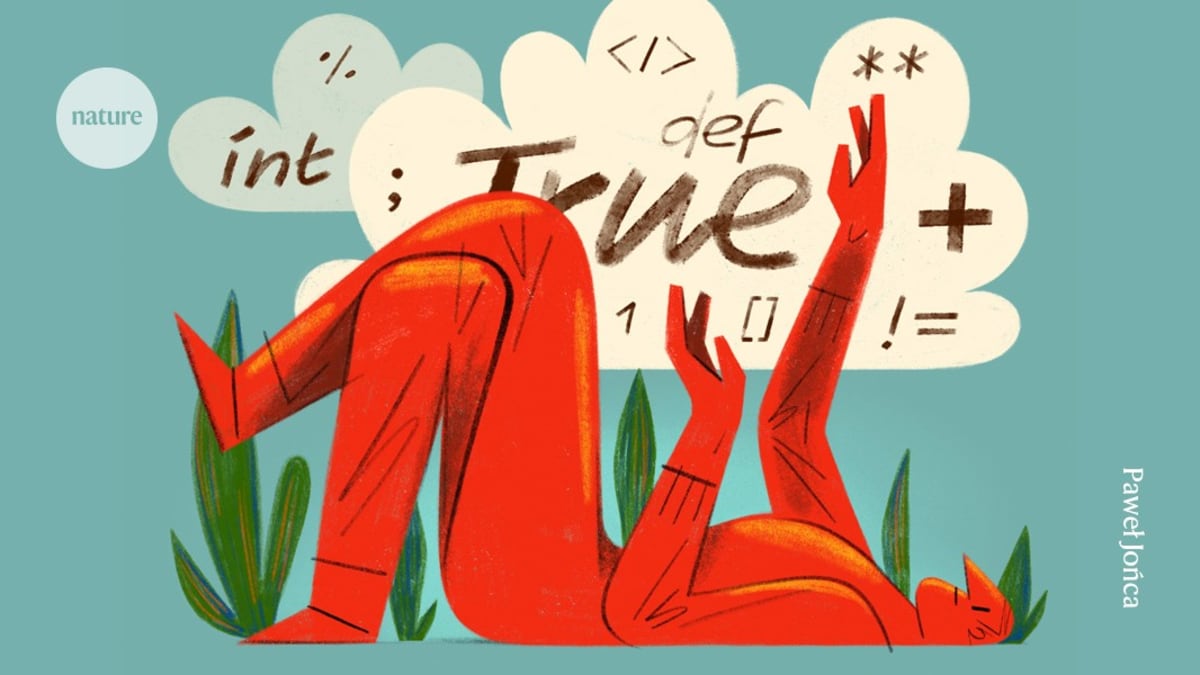
Climate researchers are using AI tools to code groundbreaking visualizations without writing a single line themselves. The technique, called "vibe coding," is letting scientists of all skill levels turn their ideas into reality in record time.
Climate scientist Zeke Hausfather wanted to show how fast Earth is warming in a way people had never seen before. By chatting with an AI tool like a colleague, he created a stunning 3D "thermal helix" that spirals upward like a tornado, each ring representing a year of rising temperatures.
Hausfather didn't write the code himself. He simply described what he wanted, refined his ideas through conversation, and watched the AI build it.
This approach is called vibe coding, a term coined by OpenAI co-founder Andrej Karpathy. It means talking to AI tools in plain language to create graphics, apps, and data visualizations without touching actual code. You just keep chatting until the result looks right.
The technique is catching fire across research communities. When Argonne National Laboratory hosted a one-day vibe coding workshop last June, all 200 spots filled immediately.
Manuel Corpas, a genomics researcher at the University of Westminster, vibe coded an entire bioinformatics tool library in just two days. Called ClawBio, it racked up 5,000 downloads in its first two weeks, with dozens of community members adding their own AI-generated contributions.
More than 90% of software developers now use AI coding assistants at least monthly, according to a recent survey. AI-written code now makes up over a quarter of all customer-facing software.
The Ripple Effect
The real magic isn't just speed. Vibe coding is democratizing who gets to create.
Researchers who once needed to hire programmers or spend months learning to code can now prototype ideas in hours. Scientists with moderate coding skills, like Hausfather, are pushing into territory they never could access before.
The tools aren't perfect. Anthropic's Claude Opus, currently leading in accuracy, still only gets things right 71% of the time. Experts warn users should understand enough to spot when AI makes mistakes.
But the technology keeps improving. Today's AI coding assistants act like friendly project managers, creating detailed plans, suggesting tests, and generating well-documented code that often matches what experienced programmers would write.
What started as a way to speed up routine tasks is becoming a creative partner. Hausfather's thermal helix visualization wouldn't exist without AI collaboration. He knew what story he wanted to tell about climate change, but not how to tell it visually.
Now scientists everywhere are discovering they can turn "what if" questions into reality, one conversation at a time.
More Images



Based on reporting by Nature News
This story was written by BrightWire based on verified news reports.
Spread the positivity!
Share this good news with someone who needs it