Scientists Create Synthetic Muscle with Tiny Blood Vessels
Researchers at the University of Nebraska have developed a hydrogel material that mimics biological muscle, complete with microfluidic vessels that act like blood capillaries. This breakthrough could transform soft robotics and create gentler prosthetics for humans.
Scientists just took a major step toward creating artificial muscle that moves and responds like the real thing.
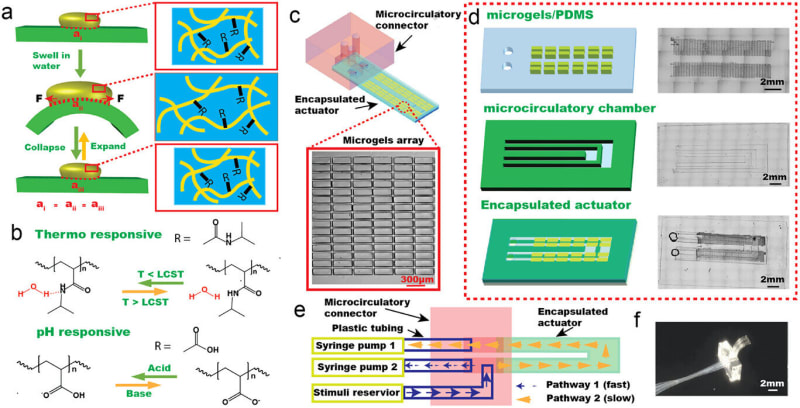
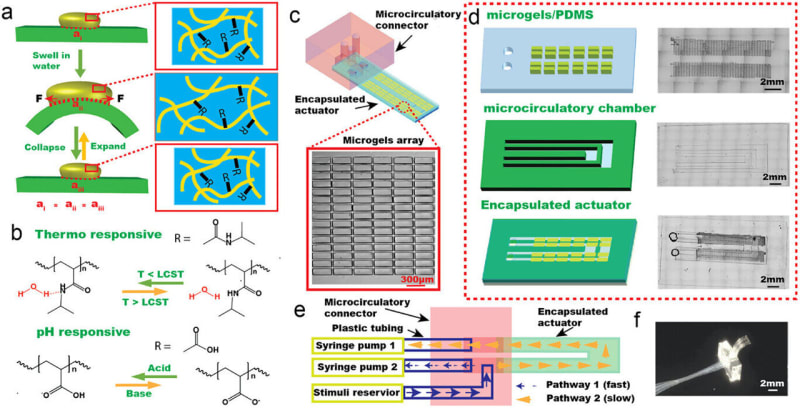
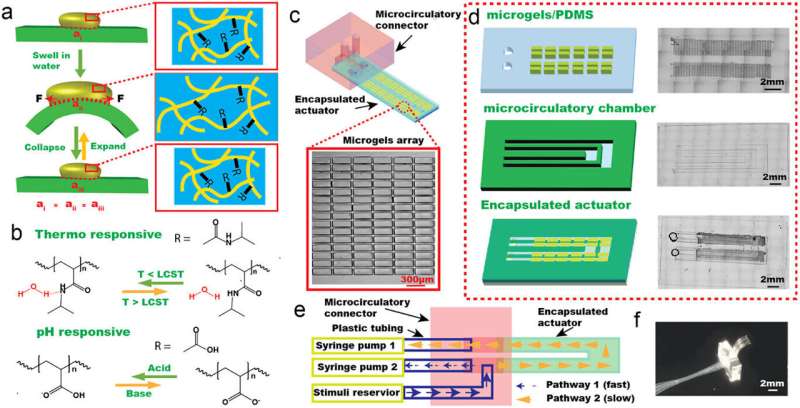
A team at the University of Nebraska-Lincoln has developed a synthetic material using hydrogels paired with tiny internal channels that deliver fuel and signals, much like blood vessels feed our muscles. The research, published in Advanced Functional Materials, solves two big problems that have held back artificial muscles for years: slow response times and the need to stay underwater.
Stephen Morin, the associate professor of chemistry leading the project, calls biological muscle "one of nature's marvels." Real muscle generates impressive force, moves quickly, and adapts to countless tasks while drawing energy from whatever fuel source is available. Creating something synthetic that can do all that has been a Holy Grail for materials scientists.
The breakthrough lies in combining microscopic hydrogel units with an internal circulatory system. These microgels can receive chemical or thermal signals rapidly while working in normal air, not just submerged in water. The team demonstrated the system can perform delicate tasks like microgripping and controlling multi-fingered soft robotic hands with programmable motions.
Traditional rigid robots with motors, wires, and batteries still have their place. But this flexible, water-based synthetic muscle opens doors for robots that need to work closely with people or handle fragile objects without crushing them.
The Ripple Effect
The implications stretch far beyond laboratory demonstrations. Soft robotic systems using this technology could lead to prosthetic limbs that feel and move more naturally, making life easier for amputees. Medical devices could become gentler and more responsive to patients' bodies.
Future manufacturing could benefit from robotic systems that safely work alongside humans without rigid, potentially dangerous components. Delicate operations in healthcare, food handling, or elder care could see robots that adapt their grip and movements as smoothly as human hands.
Morin envisions future versions adopting fiber-like or tubular shapes even closer to natural muscle fibers. Scaling up the system for practical, everyday use is the next challenge his team is tackling.
The research represents years of work toward making machines that can interact with our world as gently and precisely as living beings do.
More Images

Based on reporting by Phys.org - Technology
This story was written by BrightWire based on verified news reports.
Spread the positivity!
Share this good news with someone who needs it