Scientists Create Tool to Measure Animal Suffering
Researchers developed the first framework to measure how invasive species cause individual animals to suffer, not just how they harm ecosystems. The breakthrough reveals hidden pain that current tools completely miss.
Scientists just created the first tool to measure something we've been ignoring about invasive species: how much individual animals actually suffer.
For decades, researchers have tracked how invasive species damage ecosystems and threaten biodiversity. But Thomas Evans and Michael Mendl noticed something missing: nobody was measuring the physical and mental pain these invaders cause to individual creatures.
Their new framework, called AWICIS (Animal Welfare Impact Classification for Invasion Science), fills that gap. It works alongside existing tools but asks different questions focused on conscious suffering.
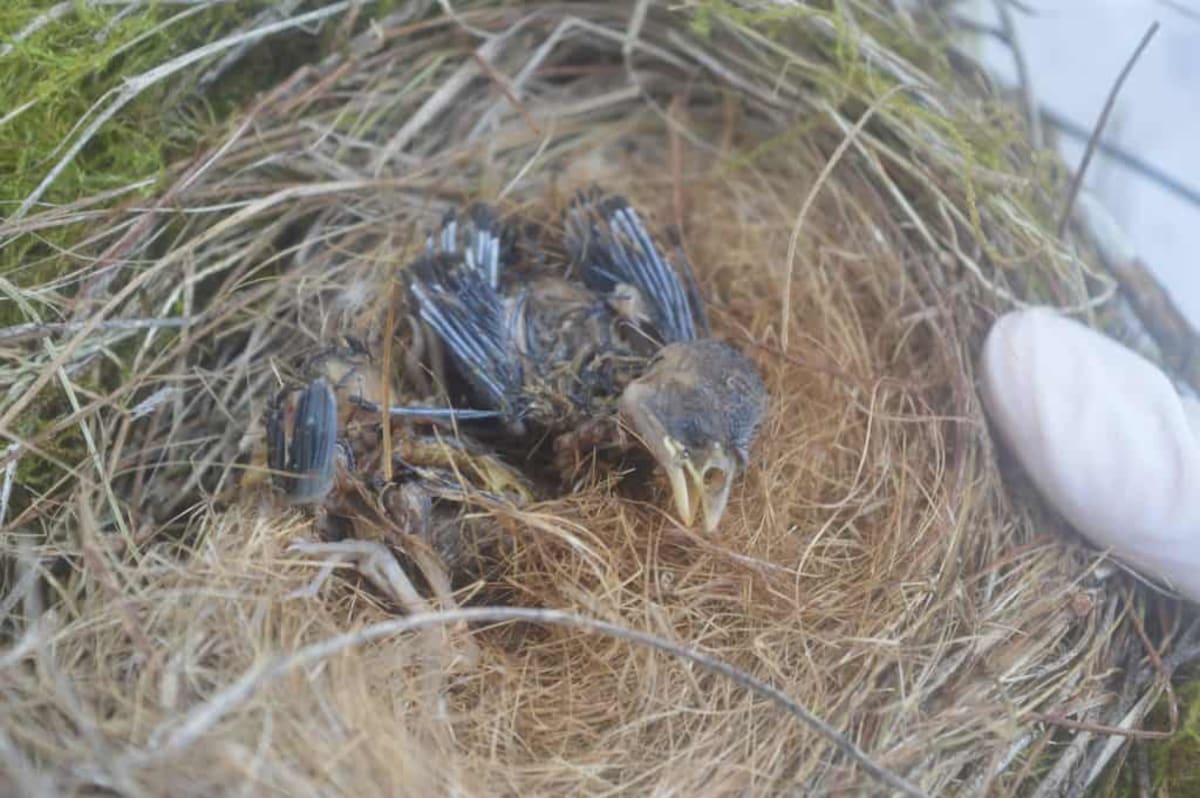
The wake-up call came from the Galápagos Islands. An invasive parasite called the avian vampire fly lays larvae that crawl into bird ear canals, eating blood and flesh from the inside out. Survivors often can't sing because their windpipes are destroyed.
The standard assessment tool, EICAT, would note population impacts but miss this individual horror. AWICIS captures both: the ecological damage and the suffering of each affected animal.
The framework asks researchers to examine 12 types of harm through a welfare lens. For example, chemical changes to water might create low-oxygen conditions that slowly suffocate fish. That's different from a quick population decline, and the new tool measures that difference.
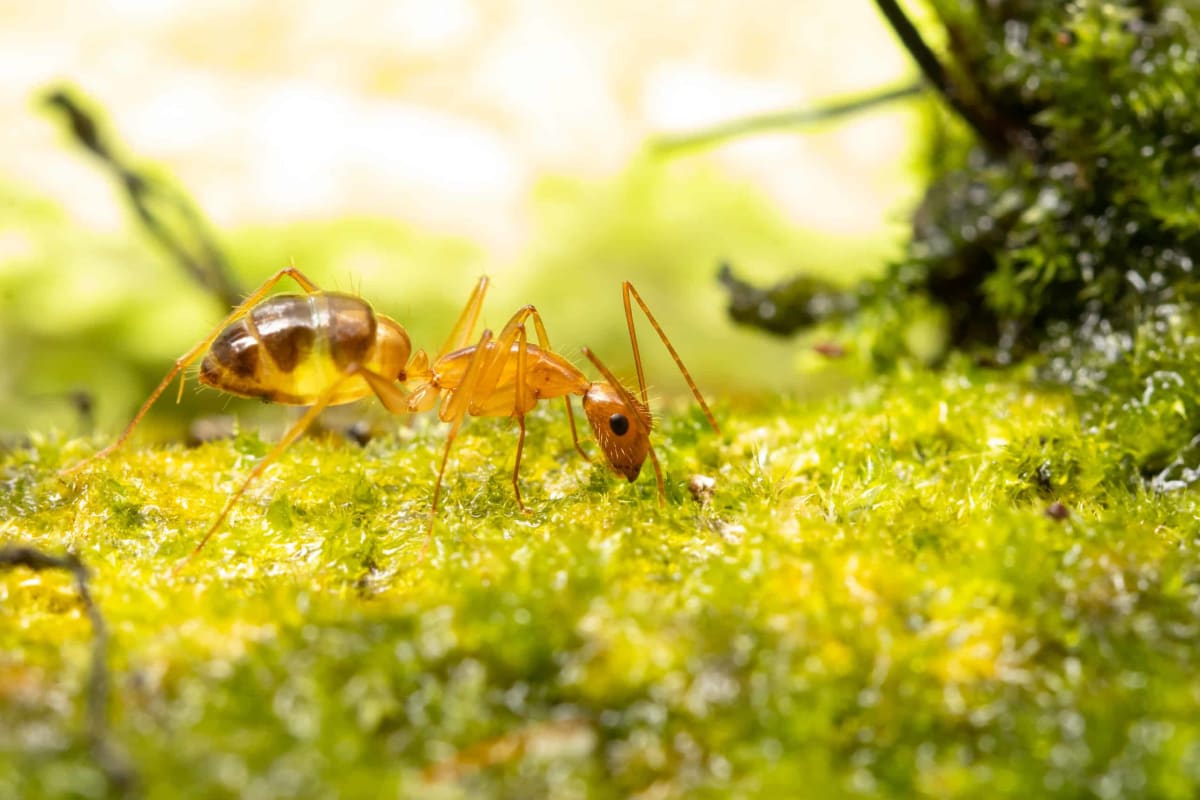
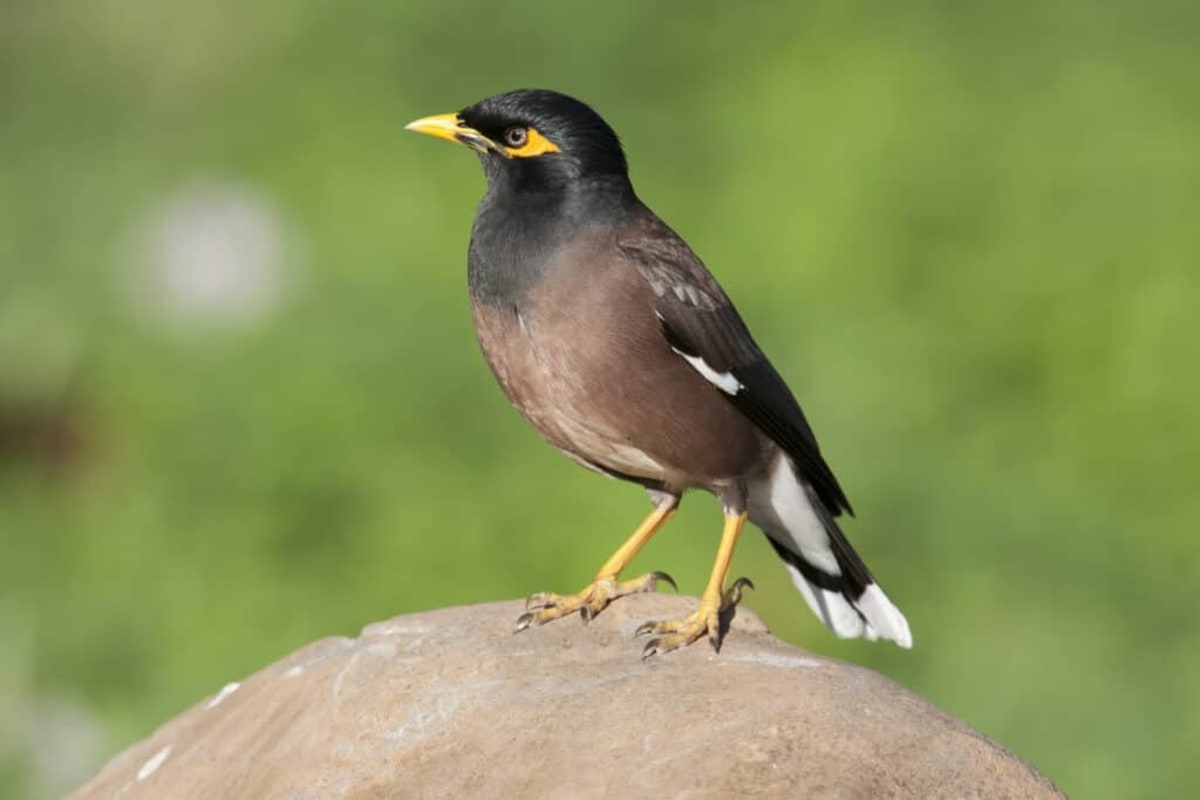
Evans and Mendl tested their framework on invasive birds and invasive ants. The results were striking: ant invasions produced dramatically worse suffering than bird invasions, even when population impacts looked similar.
Why This Inspires
This framework represents a shift in how science values individual animal experience. For years, conservation focused only on species survival and ecosystem health. Now researchers can finally quantify something many suspected but couldn't prove: that some invasions cause more suffering than others, even when extinction risks are equal.
The tool also does something unexpected. It measures suffering experienced by the invasive animals themselves, recognizing that imported species didn't choose their new homes and may struggle too.
As scientific consensus grows around animal sentience, tools like AWICIS give researchers the language to discuss welfare alongside biodiversity. That means better decisions about which invasions to prioritize and which control methods cause the least harm overall.
The research, published in Nature Communications, opens doors to more compassionate conservation strategies that protect both ecosystems and individual lives.
More Images
Based on reporting by Google: species saved endangered
This story was written by BrightWire based on verified news reports.
Spread the positivity!
Share this good news with someone who needs it