Scientists Create Universal Aging Clock Across All Mammals
Researchers discovered biological aging markers shared by humans, mice, rats, and monkeys, opening doors to treatments that could extend human lifespan. The team built a free online tool so scientists worldwide can test anti-aging therapies faster.
Scientists just cracked a major code in the quest to slow down aging, and it works the same way in humans as it does in mice, rats, and monkeys.
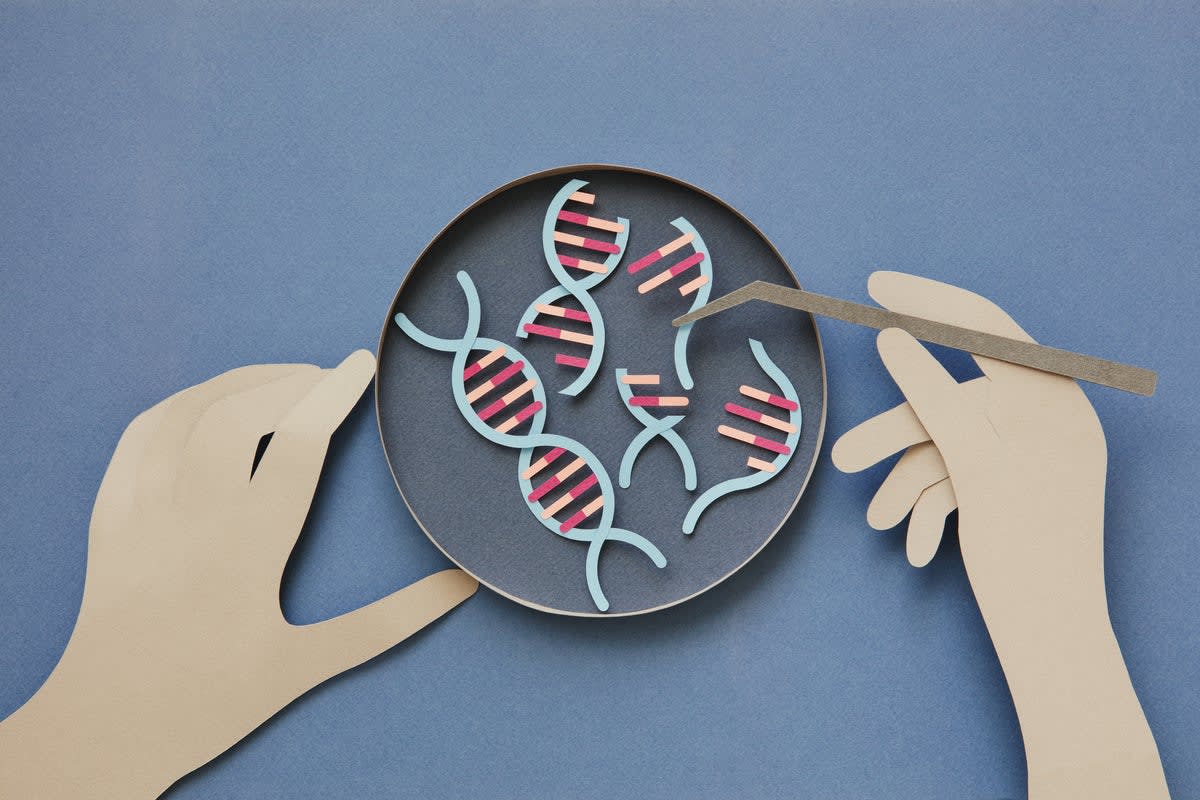
Researchers at Harvard Medical School and Brigham and Women's Hospital analyzed over 11,000 samples of RNA (molecules that show which genes are active) across different animals. What they found was remarkable: aging affects our cells in nearly identical ways, no matter the species.
Think of it this way. Your actual age is how many birthdays you've had. Your biological age is how well your body is holding up, which can be younger or older than the calendar suggests. This study, published Wednesday in the journal Nature, reveals that the biological hallmarks of aging are "universal" across mammals.
"The same genes are associated with aging in, for example, liver and heart in rats and humans," says lead author Alexander Tyshkovskiy. Even cells with completely different jobs, like liver cells versus blood cells, share the same aging signatures.
The team tested their findings against data from the UK Biobank and discovered that people with higher biological ages (what they call "transcriptomic age") face greater disease risk and mortality. Animals with chronic diseases showed the same pattern, suggesting the clock measures real cellular damage.
David Sinclair, a Harvard genetics professor who studies longevity, calls it a "major advance." The clocks don't just estimate age, he explains. They measure the actual decline of cellular function and predict health outcomes.
The Ripple Effect truly shines in what came next. The researchers built a free online tool called TACO (Transcriptomic Age Calculator Online) so scientists everywhere can measure biological age in their own tissue samples, regardless of species or tissue type.
This matters because right now, we have zero proven interventions that extend human lifespan. A researcher testing a potential anti-aging drug on mice can now measure whether it actually reduces biological age, not just guess based on how long the animals live.
"We think, using these tools, we could identify candidates that can be tested in the future, and maybe some of them will extend lifespan," says senior author Vadim Gladyshev. The tool turns every lab into a potential discovery site for longevity breakthroughs.
The findings suggest aging is a "very systemic process" affecting all our tissues and cell types in similar ways, which means a single treatment might slow aging throughout the entire body.
With this universal clock now freely available to researchers worldwide, the race to find real anti-aging therapies just got a serious head start.
More Images


Based on reporting by Scientific American
This story was written by BrightWire based on verified news reports.
Spread the positivity!
Share this good news with someone who needs it

%2Ffile%2Fattachments%2Forphans%2FFeatureimage24Aug_HaberdoedasPhotography_Pexelscopy_135558.jpg)