Scientists Create Unsinkable Metal Tubes for Ocean Energy
Researchers have developed aluminum tubes that can't sink, even when punctured and damaged. The breakthrough could unlock a massive source of clean energy from ocean waves.
Scientists just solved a problem that could help us tap into one of Earth's largest untapped energy sources: the ocean.
Researchers at the University of Rochester created aluminum tubes that stay afloat no matter what. Even when they're riddled with holes or tossed around in harsh conditions, they refuse to sink.
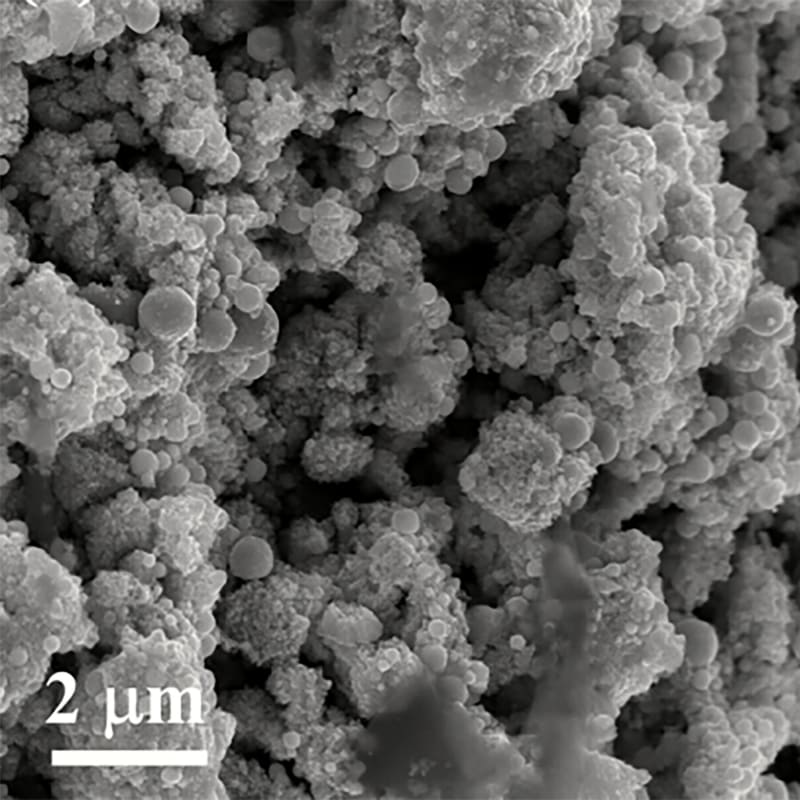
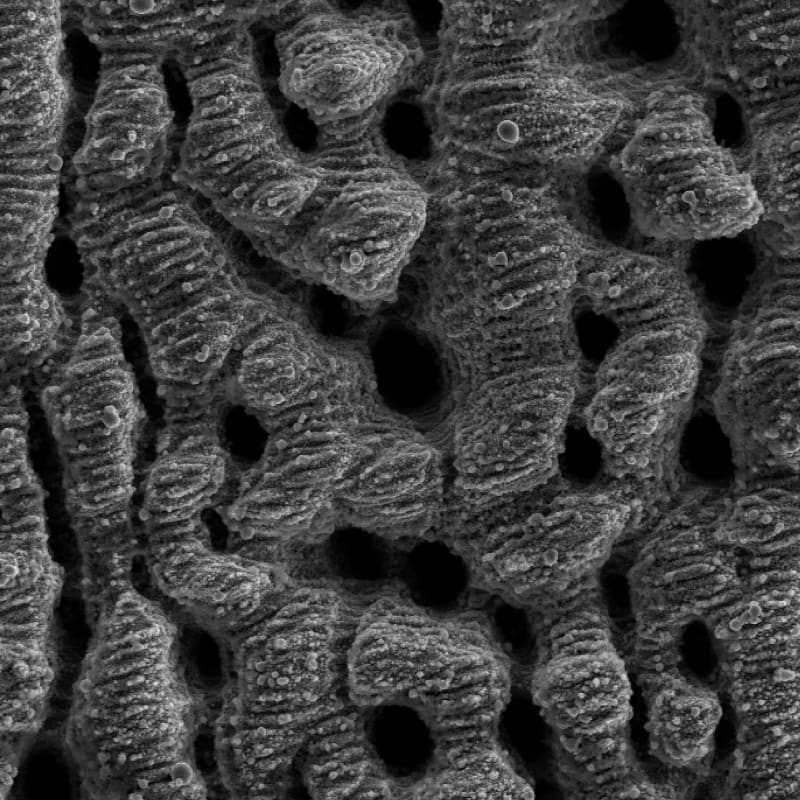
The secret lies in microscopic pits etched onto the metal's surface. These tiny indentations trap air bubbles so securely that water can't push them out. Think of how diving bell spiders breathe underwater or how fire ants survive floods by linking into floating rafts. Nature figured this trick out long ago.
"I think the ocean is still a vast untapped resource," said Chunlei Guo, the professor who led the research. His team published their findings in Advanced Functional Materials last month.
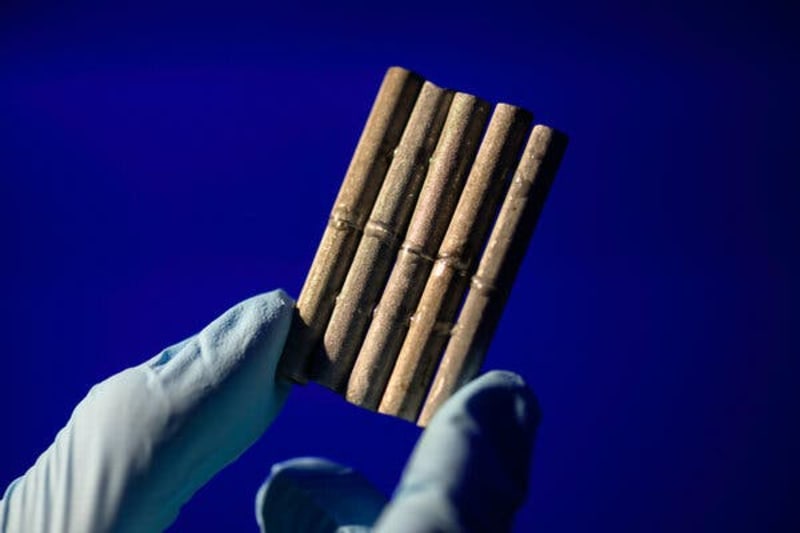
The tubes themselves are narrow, just one-fifth of an inch across. But stack them together, and you can build floating platforms or devices that harvest energy from rolling waves. The tubes survived brutal testing in salt water, algae-filled water, and even when researchers deliberately drilled holes through them.
The Bright Side
Ocean wave energy has enormous potential but has remained frustratingly difficult to capture reliably. Traditional floating structures can corrode, get damaged in storms, or sink when compromised. These tubes solve all three problems at once.
The superhydrophobic surface (which literally means extreme fear of water) keeps the insides pristine. No corrosion. No algae growth. No rust eating away at critical components over time.
Andreas Ostendorf, a laser technology professor in Germany who wasn't involved in the research, called it "really interesting" and said it could be a road map toward breakthrough applications. His take: engineering needs exactly these kinds of disruptive ideas.
The team's computer models show that stacking just a few layers of tubes creates structures tough enough to survive the harshest ocean conditions imaginable. They're now working to scale up from laboratory experiments to real-world testing.
Dr. Guo has spent decades finding creative ways to alter material properties through surface patterns. His lab has made aluminum look like gold, created navy blue titanium, and developed surfaces that either repel or attract water for different applications.
This ocean energy project represents his team's most practical application yet. With climate change accelerating and the need for clean energy growing more urgent, capturing power from endless ocean waves could be transformative.
The tubes might even make a nice floating pool chair someday, but their real promise lies in helping humanity harvest clean energy from the 71% of Earth covered by water.
More Images
Based on reporting by Google News - Science
This story was written by BrightWire based on verified news reports.
Spread the positivity!
Share this good news with someone who needs it