Scientists Cure Type 1 Diabetes in Mice Without Drugs
Researchers have cured type 1 diabetes in mice using a breakthrough method that doesn't require lifelong immune-suppressing medications. The innovative technique creates a blended immune system that accepts transplanted insulin-producing cells naturally.
Stanford scientists have found a way to reverse type 1 diabetes in mice without forcing patients to take powerful immune-suppressing drugs for the rest of their lives.
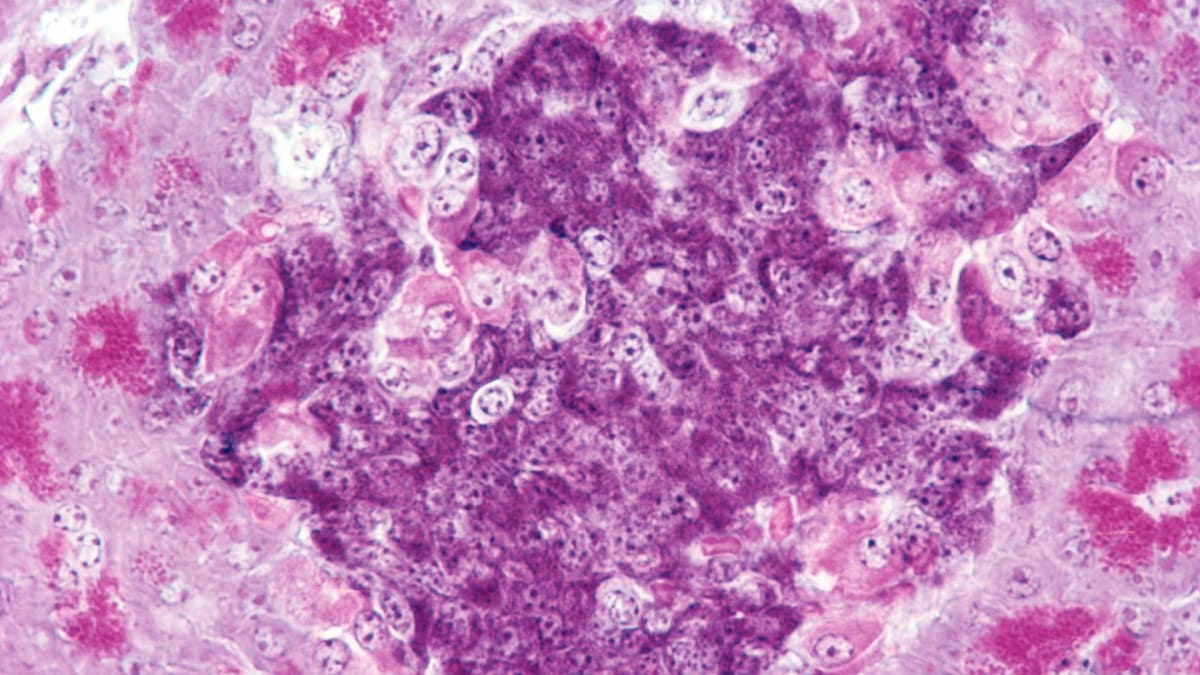
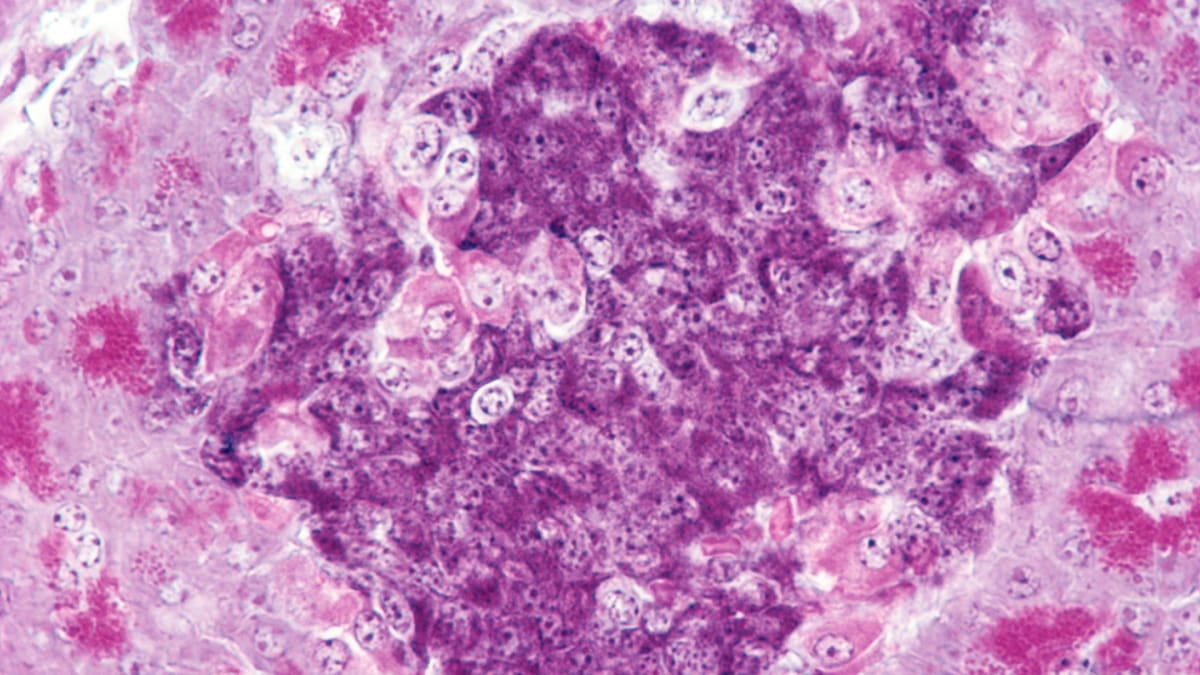
Type 1 diabetes occurs when the immune system destroys the pancreas cells that produce insulin. Without insulin, blood sugar becomes dangerously high and people must inject insulin daily just to survive.
For decades, doctors have tried transplanting healthy insulin-producing cells from donors into patients. The problem is that the body's immune system attacks these transplanted cells as foreign invaders, so patients need to take harsh immunosuppressant drugs forever.
Dr. Judith Shizuru and her team at Stanford University developed something different: a "chimeric" or blended immune system. They transplanted both bone marrow stem cells and insulin-producing cells from the same donor into recipient mice.
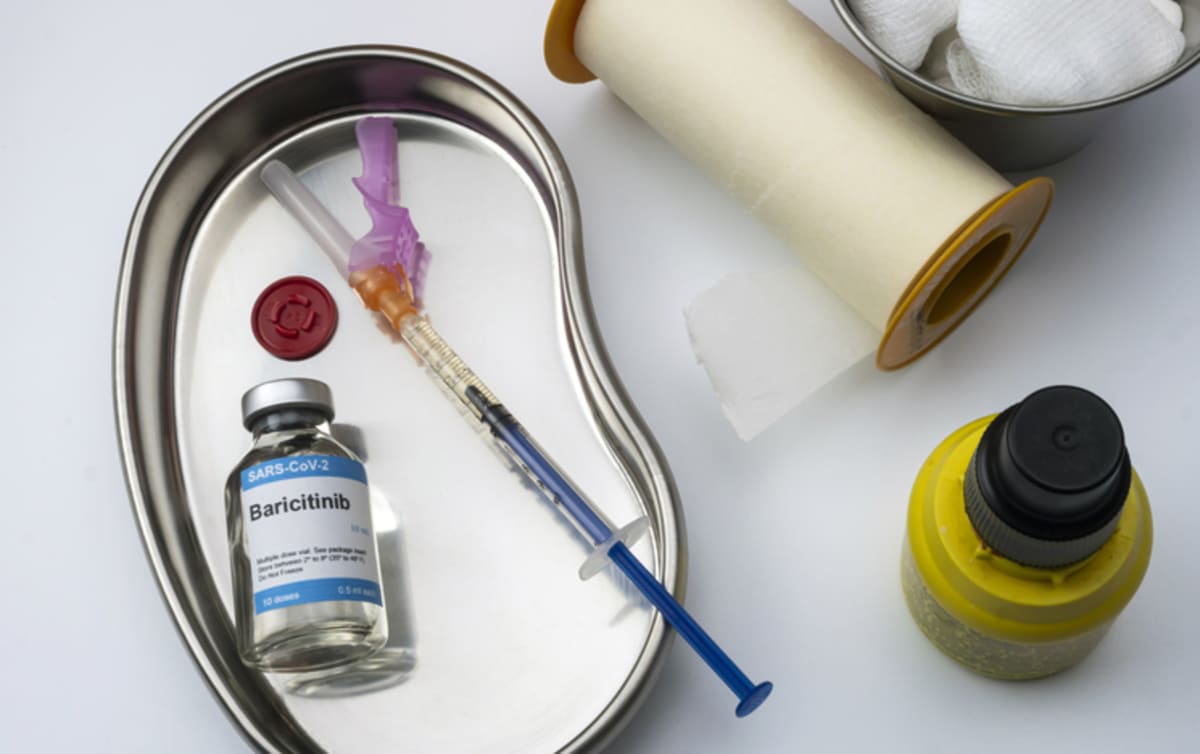
The key was preparing the mice's bodies without completely wiping out their existing immune systems. The team used targeted antibodies, low-dose radiation, and an arthritis drug called baricitinib to make room in the bone marrow for donor stem cells.
As the donor stem cells matured, they educated the recipient's immune system to recognize the transplanted insulin-producing cells as friendly rather than foreign. The blended immune system even eliminated the specific cells that had been programmed to attack insulin-producing tissue.
"The graft sticks and stays," Shizuru told Live Science. The transplanted cells survived and kept producing insulin without ongoing immune suppression.
More than a dozen mice were successfully treated using this protocol. Their diabetes was reversed and they no longer needed the equivalent of daily insulin injections.
The Ripple Effect
This breakthrough could transform life for millions of people worldwide living with type 1 diabetes. Even with excellent care, people with the disease face high rates of heart disease, kidney failure, and vision loss from constantly fluctuating blood sugar levels.
Current islet cell transplants are only offered in clinical trials or to patients already needing other organ transplants like kidneys because the lifelong immune-suppressing drugs carry serious risks. They leave people vulnerable to infections and cancers.
A treatment that doesn't require permanent immunosuppression would make transplants available to far more patients. Dr. John DiPersio, an oncologist at Washington University who wasn't involved in the study, called it "potentially a way to cure diabetes" and "a big step forward."
The challenge now is ensuring the technique works safely in humans and that the blended immune system remains stable over time. Extensive testing lies ahead before this could reach patients in clinics.
Still, for the first time, scientists have shown it's possible to retrain the immune system rather than suppress it entirely, opening a genuine path toward reversing this life-threatening disease.
More Images

Based on reporting by Live Science
This story was written by BrightWire based on verified news reports.
Spread the positivity!
Share this good news with someone who needs it